Australia & Oceania

This archive covers progress stories from Australia, New Zealand, and the Pacific Island nations. Expect reporting on environmental protection, Indigenous-led initiatives, public health advances, and policy wins that reflect the region’s distinct challenges and strengths.

Growing crops, for article on New Guinea agriculture

New Guineans independently develop agriculture, transforming the Pacific

New Guinea agriculture began around 10,000 years ago, when highland communities started draining swamps and cultivating taro, banana, and yam entirely on their own. The Kuk Swamp site, now a UNESCO World Heritage site, preserves the planting pits and water channels that document this slow transition. It’s one of only a handful of places on Earth where farming was independently invented.

Aboriginal art at Carnarvon Gorge, for article on Aboriginal Australian Dreaming

Aboriginal Australians carry the Dreaming, one of humanity’s oldest living worldviews

Aboriginal Australian Dreaming traditions stretch back an estimated 50,000 to 65,000 years, making them among the oldest continuous cultural systems on Earth. Across hundreds of distinct nations, Dreaming stories weave law, kinship, and ecology into the land itself — encoding knowledge so durable that some oral records preserve sea-level changes from over 7,000 years ago.

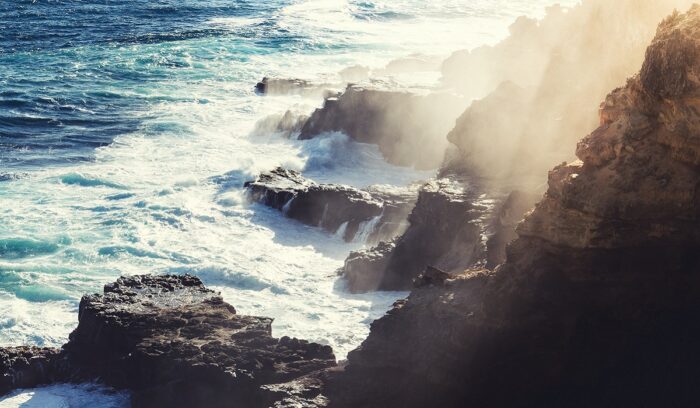
Ancient coastline with dramatic cliffs and ocean at dusk, for an article about human arrival Australia

Homo sapiens reach Australia in the first confirmed open-ocean voyage

Around 65,000 B.C.E., groups of people crossed 60 to 90 miles of open ocean to reach Australia — the earliest confirmed evidence of seafaring anywhere on Earth. Discovered at Madjedbebe rockshelter, the artifacts reveal a species already planning, collaborating, and navigating the unknown. The descendants of those first arrivals built the longest continuous culture in human history.