Wildlife & land conservation

Bison

Portugal welcomes first wild bison in 10,000 years as part of plan to rewild a quarter-million acres

From Poland to Romania to the U.K., European wood bison are now firmly recognized as one of the best tools for returning what little wilderness Europe has left to as wild a state as possible. In Portugal, the gradual abandonment of the Greater Côa Valley has presented an unprecedented opportunity for rewilding in the small country. The government has already set aside a quarter million acres of land for conservation.

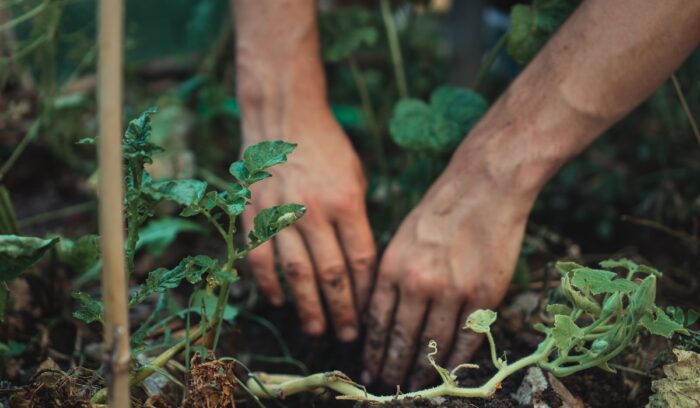
A person preparing for planting the plant

Campesinos plant nearly a million trees in deforestation hotspot in the Colombian Amazon

More than 700 campesinos from the municipality of Cartagena del Chairá have started restoring more than 11,000 acres of degraded rainforest in one of Colombia’s deforestation hotspots. In collaboration with researchers from SINCHI, the Amazonian Scientific Research Institute, and the Association of Community Action Boards, the families have recorded more than 600 plant and more than 100 animal species in the area.

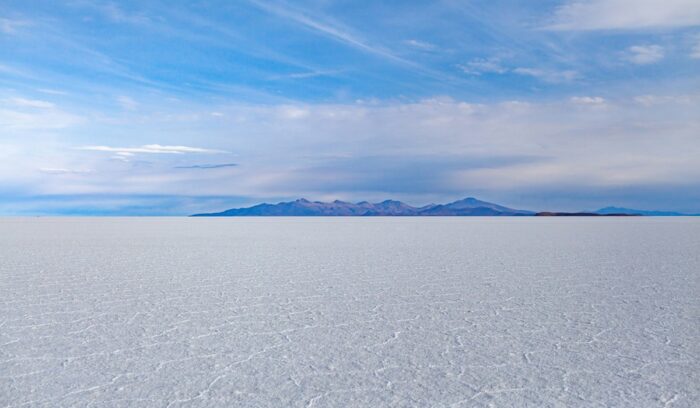
Vast salt flat

Chile to create network of protected salt flats

Currently, only around 8% of Chile’s salt flats are protected. The new network of protected salt flats will raise that to 25%. This also aligns with the 30×30 goal as outlined by the global Convention on Biological Diversity, which ensures that at least 30% of the planet’s ecosystems are protected by 2030. The protection plan is part of the broader National Lithium Strategy, which seeks to make Chile the world’s lead producer of lithium, a critical component of EV batteries.

A tiny olive ridley sea turtle crawling on sand

Bangladesh achieves major victory in olive ridley turtles conservation

This year, Bangladesh has seen its highest number of olive ridley turtle eggs, thanks to extensive conservation actions, including building awareness among local people and the vigilance of local conservation groups to ensure favorable conditions for the species. The number of eggs has increased by almost 53% compared with the previous year, from 8,096 to 12,425. Those tallies represent a significant jump from the 4,713 eggs recorded in 2020-2021 and 5,763 in 2022-23. The olive ridley is listed as an endangered turtle on the IUCN Red List.

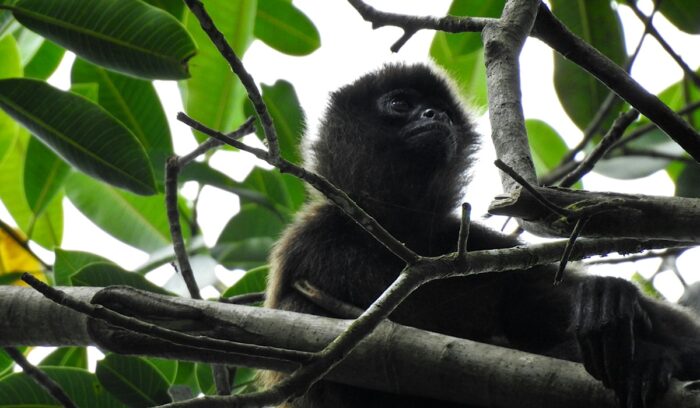
Howler monkey

Brazil takes pioneering action to rewild howler monkeys

Brown howler monkeys, endemic to the Atlantic Forest in Brazil and Argentina, became one of the 25 most threatened primate species following a yellow fever outbreak in late 2016.
In response, Brazilian government agencies and other conservation organizations launched a nationwide population management plan, the first of its kind in the country, focused on coordinating captive facilities with experts who could relocate animals to areas where populations have vanished or declined.

Acacia tree branch

Democratic Republic of the Congo plants more than 800 million trees between 2019 and 2023

Ten percent of the world’s tropical forests are found in the Democratic Republic of the Congo (DRC). But the U.N.’s Food and Agriculture Organization estimates the DRC is losing 1.2 million acres of forest every year. To help address this, a Congolese government program aspired to plant 1 billion trees between 2019 and 2023, aiming to strengthen climate resilience, alleviate poverty and protect biodiversity, and achieved 90% of their goal.

Creek flowing

‘NATURE’ becomes an official streaming artist to raise millions for conservation

Through the new “Sounds Right” project, ‘NATURE’ itself is registered as a streaming artist on major music streaming services like Spotify and Apple Music. This allows the Earth’s audio cameos to bring in money for protecting the environment worldwide. Streaming royalties earned by ‘NATURE’ will be collected by the EarthPercent conservation nonprofit, which hosts the Sounds Right Conservation Fund. The money will go to rights-based projects that focus on the world’s most biodiverse and threatened regions.

A Polar bear surrounded by arctic wilderness

Biden limits oil drilling across 13 million acres of Alaskan Arctic

Future oil and gas drilling will be limited across more than 13 million acres of the National Petroleum Reserve-Alaska, the nation’s largest expanse of public land, under a sweeping Biden administration plan aimed at protecting sensitive ecosystems and wildlife. In a separate move, the Department of the Interior has announced that it will block a controversial road crucial to operating a planned copper and zinc mine in northern Alaska, saying it would threaten Indigenous communities and fragment wildlife habitat.

Aerial view of river and mangroves

Brazil boosts protection of Amazon mangroves with new reserves in Pará state

Brazil’s Pará state has now protected almost all of its Amazonian coastline after establishing two new conservation units that make up the world’s largest and most conserved belt of mangroves. The environmental victory came after President Luiz Inácio Lula da Silva signed the decree for the two reserves on March 21, placing an additional 184,600 acres of mangrove ecosystems under federal protection.