Wildlife & land conservation

Amazon

Peru establishes new Indigenous reserve in the Amazon for peoples in isolation

Indigenous organizations in Peru’s Amazon have achieved a milestone in a campaign that has lasted for almost two decades. Indigenous peoples living in isolation and initial contact (PIACI) will be protected within the recently declared Sierra del Divisor Occidental Indigenous Reserve, a territory they’ve long inhabited — and place where they have historically faced pressures that threaten their existence. The Indigenous reserve spans over 1.2 million acres in the Peruvian departments of Ucayali and Loreto.

Tiger lying down

Thai tiger numbers swell as prey populations stabilize in western forests

The tiger population density in a series of protected areas in western Thailand has more than doubled over the past two decades, according to new survey data. Thailand is the final stronghold of the Indochinese tiger, the subspecies having been extirpated from neighboring Cambodia, Laos, and Vietnam over the past decade due to poaching, habitat loss, and indiscriminate snaring.

Baby crocodile

Near-extinct Siamese crocodiles make comeback in Cambodia

Cambodia has welcomed 60 baby Siamese crocodiles – a hatching record for the endangered species in this century, conservationists say. They have called it a “real sign of hope”, after more than 20 years of efforts to revive the reptile’s numbers in the remote Cardamom Mountains. The olive green freshwater reptile has a distinct bony crest at the back of its head – by some estimates, it can grow up to 3m or nearly 10ft.

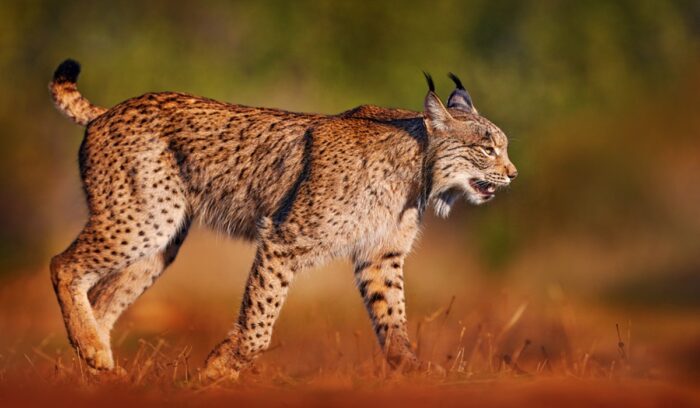
Iberian lynx

Iberian lynx no longer endangered after numbers improve in Spain and Portugal

Less than a quarter of a century after the Iberian lynx was feared to be only a whisker away from extinction, populations of the animal have recovered enough across Spain and Portugal for it to be moved from “endangered” to “vulnerable” on the global red list of threatened species. According to the latest census, the lynx population on the peninsula has risen from just 94 in 2002 to 2,021 last year.

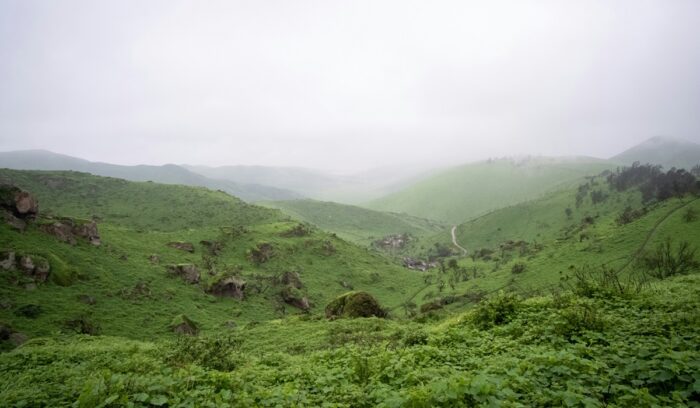
Peru fog oasis

Peru grants conservation status to 16,000-acre desert oasis site

Peru has granted formal conservation status to Lomas y Tillandsiales de Amara y Ullujaya, a unique fog oasis ecosystem on the arid Peruvian coastline. The state-owned land, which spans 15,936 acres in the Ica region of Southwest Peru and hosts hundreds of rare and threatened native species, will be protected for future research and exploration for at least three decades.

Herd of caribou

Inuvialuit people and Canadian governments sign deal to create massive new conservation area

The Inuvialuit and the Canadian federal and Yukon governments have signed a new conservation agreement to ensure greater protection for more than 2 million acres of the Yukon’s northeast coast, 1.8% of Yukon’s landmass. The agreement provides protection and conservation of wildlife such as the Porcupine caribou herd, polar bears, and migratory birds. It will also help preserve and promote traditional use amongst Inuvialuit mostly living in Aklavik and Inuvik in the Northwest Territories who access the area.

Alive sturgeon in aquarium

Atlantic sturgeon reintroduced in Sweden for the first time after “functional extinction”

The Atlantic sturgeon – a keystone species – was driven to functional extinction in Europe in the middle of the twentieth century. Supported by a grant from Rewilding Europe’s European Wildlife Comeback fund, a pioneering initiative has seen this iconic fish reintroduced in a Swedish river for the first time. A total of 100 juvenile sturgeon were translocated from a breeding facility in the village of Born auf dem Darß, on Germany’s Baltic Sea coast, which is operated by the Mecklenburg-Vorpommern Research Center for Agriculture and Fisheries in Rostock.

Rainforest scene

Landmark ruling in Suriname grants protections to local and Indigenous communities

A court in Suriname approved an injunction filed on behalf of twelve Indigenous and maroon groups concerned about losing approximately 1,322,013 acres of rainforest to agricultural development. The court said the government doesn’t have the right to grant land without free, prior and informed consent, a process in which developers meet with residents to explain how projects would impact daily life.