Indigenous group and locals in Colombia sign agreement to protect sustainable livelihoods and culture
A coexistence agreement signed between the Nukak and local campesinos is bringing the Indigenous community closer to returning to their territory.
The plan relies on curtailing dependence on oil and mining projects for economic development and implementing ancestral agroforestry systems and conservation projects.
The Tribe plans to educate the public about their history by constructing a replica 16th-century village and expand their “Return to the River” program.
The law attempts to address a crisis of missing Indigenous people — particularly women — through a system similar to Amber Alerts.
The plan’s 28 goals are spread through five themes, including restoring truth, sharing power, financial reparations, and actions for the Indigenous Affairs Office.
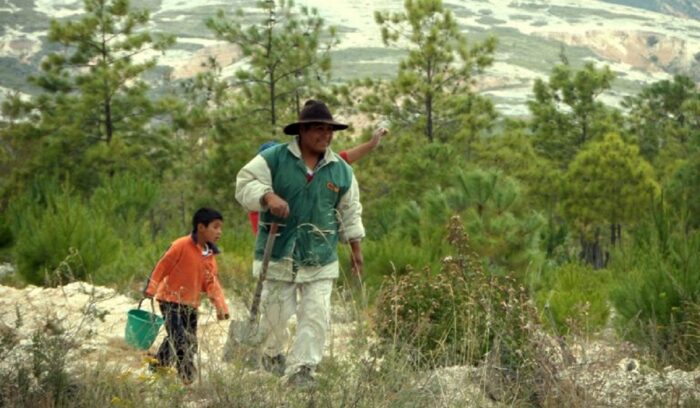
Many sites have been transformed into burgeoning forests. The communities now have more options for forest-based livelihood, such as agroforestry or even selling carbon credits.
The Enoch Cree woman said that being featured as a proud, independent Indigenous woman in such a well-known magazine is a way to highlight a population that often is ignored or silenced.
A ruling by Mexico’s Supreme Court this month canceled two controversial mining concessions in Indigenous communities, which have been fighting to stop the projects for nearly two decades.
Since 2020, academics from two Bogota universities have visited riverside communities to teach youth accounting, computer and writing skills, and about laws protecting Indigenous rights.
The ruling will immediately affect oil and mining projects across the country, as they must now seek the consent of Indigenous communities who might be affected by their activities.