
France bans two US pesticides, citing risk to bees
A court banned the products from US group Dow AgroSciences, on the grounds that their containing sulfoxaflor was harmful to bees’ nervous systems.
This archive covers meaningful advances in food systems, nutrition research, sustainable agriculture, and equitable food access. From regenerative farming to breakthroughs in reducing hunger, these good news stories document what’s actually working — and who’s making it happen. Good food news, grounded in evidence.
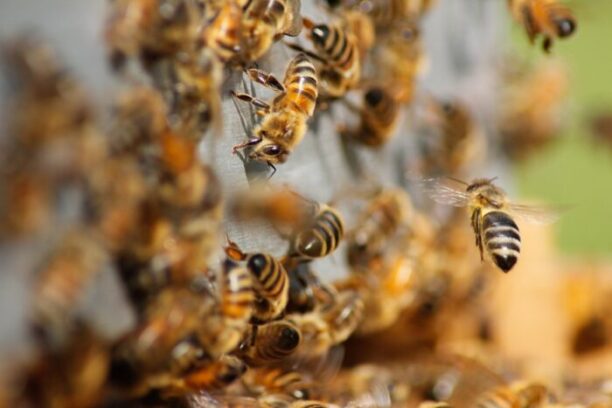
A court banned the products from US group Dow AgroSciences, on the grounds that their containing sulfoxaflor was harmful to bees’ nervous systems.

SB 265 will require that all public school students have a “state reimbursable” meal provided by the school “even if their parent or guardian has unpaid meal fees.”
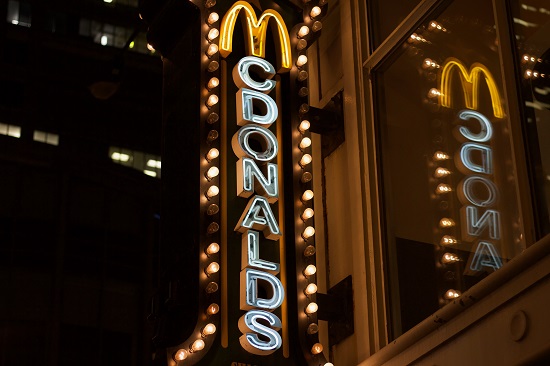
McDonald’s and Beyond Meat have teamed up to bring a new plant-based burger to North America. Announced in September, McDonald’s is conducting a 12-week test of their new plant-based burger called the P.L.T.
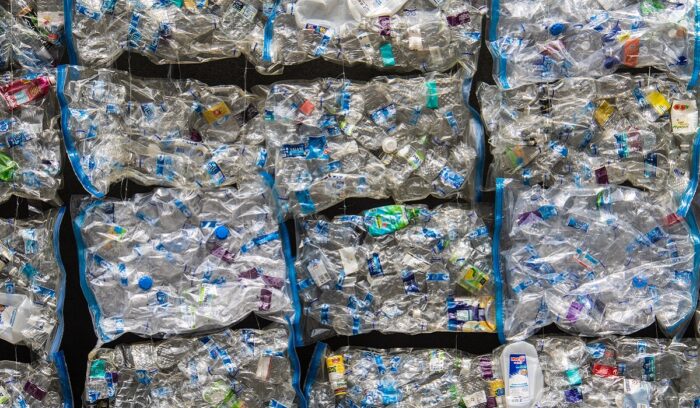
The U.K. supermarket giant currently uses almost 120,000 tonnes of plastic packaging per year.
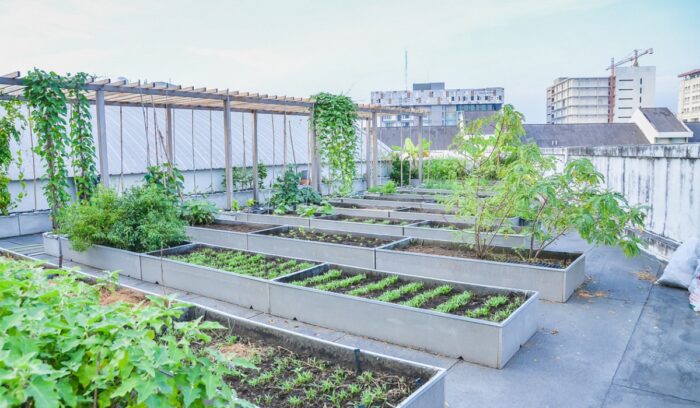
French company Agripolis is opening a 150,000-square-foot urban farm in Paris, where it will grow more than 2,000 pounds of fruits and vegetables every day during high season.
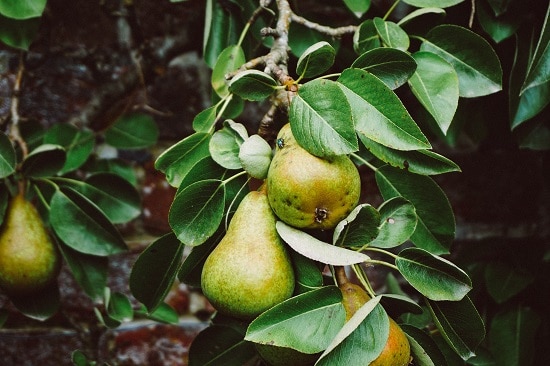
The move would result in the city’s first food forest and the largest of its kind in the country.

Arla Foods have revealed ambitions to reduce greenhouse emission on dairy farms by 30% per kilo of milk over the next decade, with a goal of carbon net zero by 2050.

Like the “doomsday” seed vault in Norway, the purpose of the IRRI gene bank is to ensure we never find ourselves in a position where our food supply isn’t secure and diverse.

Austin’s Universal Recycling Ordinance requires all food-permitted businesses to divert discarded organic material, including food scraps and soiled paper, from landfills.

Eighty-nine early signatories, including the U.K.’s biggest supermarkets as well as food producers, manufacturers and restaurant chains, have committed to halving their food waste from “farm to fork” by 2030.