
Maryland’s Montgomery County makes largest electric school bus order in U.S. history
Montgomery County Public Schools has decided to fully electrify its fleet, starting with an order for 326 electric school buses to be delivered in the next 4 years.
This archive collects more than 1,500 solutions-journalism stories tracking real progress on the climate crisis — from renewable energy records and emissions reductions to policy wins and community-led adaptation. The focus is on what’s working, who’s making it happen, and what the evidence shows about the path forward.
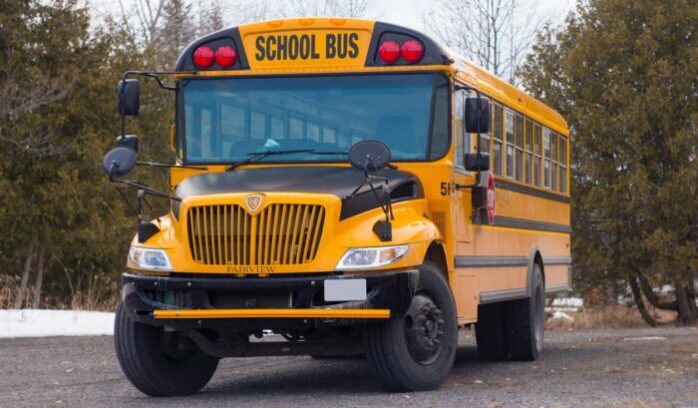
Montgomery County Public Schools has decided to fully electrify its fleet, starting with an order for 326 electric school buses to be delivered in the next 4 years.

The ban will limit the number of gas stations to their current count of 16 while also preventing these from expanding the number of fuel pumps. The move, celebrated by climate activists, is a national first and represents a crucial step towards cutting our reliance on dirty fossil fuels.
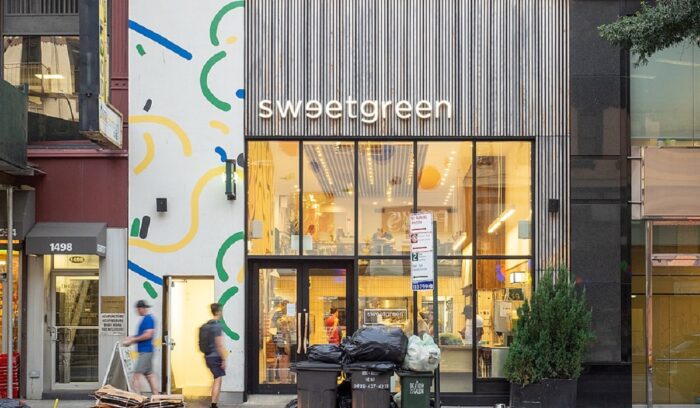
Sweetgreen has recently set the goal of cutting its carbon footprint in half in the next six years while offsetting the rest of its emissions to achieve carbon neutrality by the same time.

This new platform is aimed at accelerating the deployment of solar PV manufacturing projects in Europe — something that strengthens the EU’s leadership in clean energy technologies.

H2 Green Steel (H2GS) will use hydrogen produced with renewable energy from Sweden’s Boden-Luleå region. By 2030, H2GS expects to be producing five million tons of high-quality zero-emissions steel annually.

In 2009, 245 new EV charging stations were installed in the country. In 2019, more than 20,000 new EV charging stations were installed, according to the U.S. Department of Energy.

Facebook has announced that it will start labeling posts about climate change with a banner that will direct people to its “Climate Science Information Center,’ an information page on climate change.

The city seeks to force the companies to help cover the mounting costs of climate change, including severe flooding that disproportionately harms communities of color.
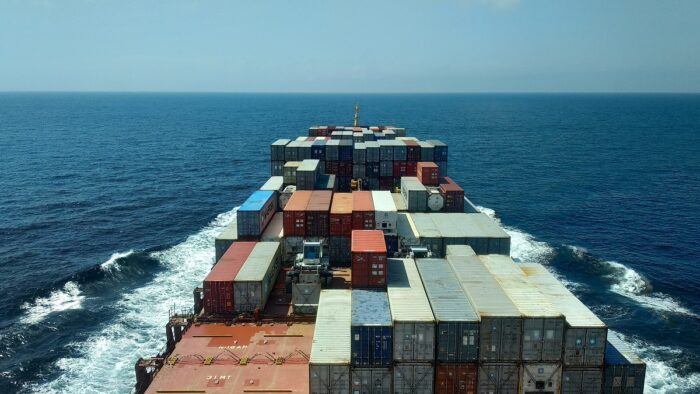
The green liner is to join the fleet a full seven years ahead of the Danish company’s original date—as they hope to rapidly shape the future of marine container shipping into one that’s carbon-neutral.

“The near-term additions — which are largely underpinned by financial security deposits for interconnection, federal tax incentives and power purchase agreements — would more than double ERCOT’s solar and wind footprint to 64 GW in just three years,” S&P Global writes.