
U.K. launches world’s largest ocean monitoring system
The U.K. government, under the Blue Belt program, has announced its plan to install underwater camera rigs for monitoring ocean wildlife across over 4 million square kilometers of ocean space.
This archive collects more than 1,500 solutions-journalism stories tracking real progress on the climate crisis — from renewable energy records and emissions reductions to policy wins and community-led adaptation. The focus is on what’s working, who’s making it happen, and what the evidence shows about the path forward.

The U.K. government, under the Blue Belt program, has announced its plan to install underwater camera rigs for monitoring ocean wildlife across over 4 million square kilometers of ocean space.
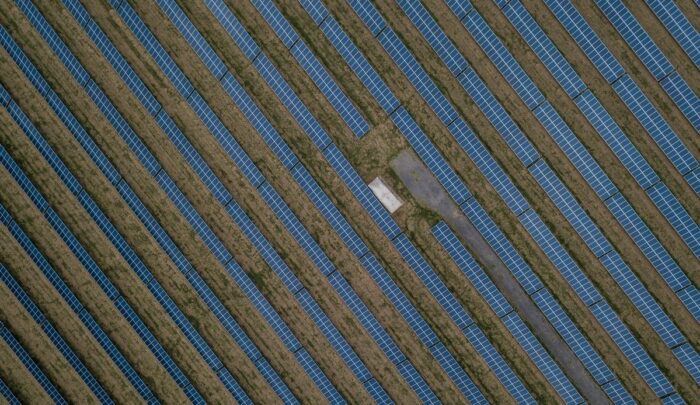
IRENA’s annual Renewable Capacity Statistics 2021 shows that global renewable energy capacity grew by more than 260 GW last year, beating the previous record set in 2019 by nearly 50%.
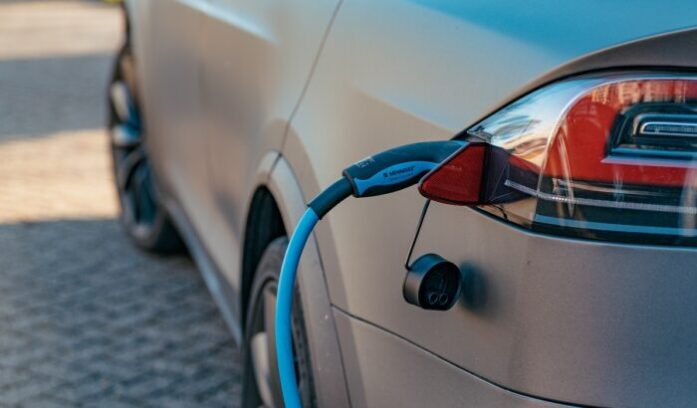
By building the infrastructure, the Dutch government will make the transition to electric vehicles as seamless and painless as possible.

Indonesia’s Supreme Court has rejected a final appeal from a coal company after it and the ministry of energy and mines lost a lawsuit filed by the Indonesian NGO Walhi three years earlier.

The 48.5 trillion won ($42.8 billion) wind farm, to be built over the next decade off the southwest coast of the country, would generate up to 8.2 gigawatts of power.

Case says the fuel and maintenance costs are reduced by 90%, and that most users will recoup the extra costs within 5 years of operation.

Automotive World says that it takes 39,000 gallons of water to produce a car, with one of the biggest issues being painting.

The law, which was passed last week by Massachusetts Governor Charlie Baker, sets emission limits at 50 percent below 1990 levels by 2030 and 75 percent below by 2040 with interim limits every five years.

Their plan is to put a Level 2 charging station at the trailheads for every Jeep Badge of Honor trail. Jeep wants to complete this within the next 12 months.

The ruling rebuked the U.S. Forest Service and Bureau of Land Management (BLM) for failing to consider threats to public health, endangered species, and watersheds before opening more than 40,000 acres of the forest to fracking last year.