Wildlife & land conservation

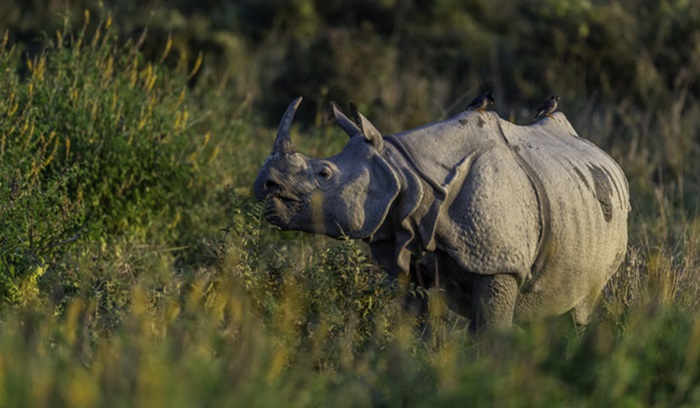
Greater one-horned rhino in grassland

India’s state of Assam sees 86% drop in poaching and five-fold increase in rhinos since 2016

By expanding protected areas and bolstering ranger patrols, the steady growth in the number of rhinos, seen since the late 60s, has now accelerated to the point where 3,000 horns grace the Assam savannah. “Rhinos are synonymous with the identity of Assam. They are our pride and the crown jewel of our biodiversity. Ever since we assumed office, we have taken various initiatives to protect the prized species, expand its habitat and ensure its safety,” Assam state’s Chief Minister Himanta Biswa Sarma wrote.

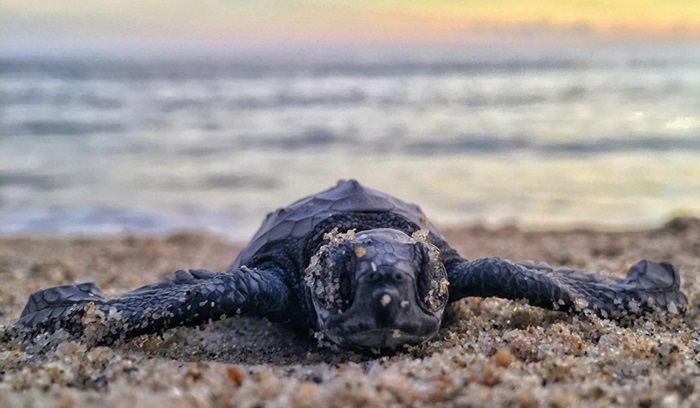
Baby sea turtle on the beach

Greece’s sea turtle nests reach record numbers as conservation efforts pay off

From Spain in the west to Cyprus in the east, the Mediterranean has witnessed a record rise in sea turtle nesting – testimony to the painstaking efforts of environmentalists determined to save an ancient mariner that not that long ago was on the verge of extinction. In Greece, which hosts 60% of Caretta caretta nests, the rebound has been phenomenal: from an average of 5,000 to 7,000 nests per year, since 2023 over 10,000 nests have been recorded annually, according to Archelon, the Sea Turtle Protection Society of Greece.

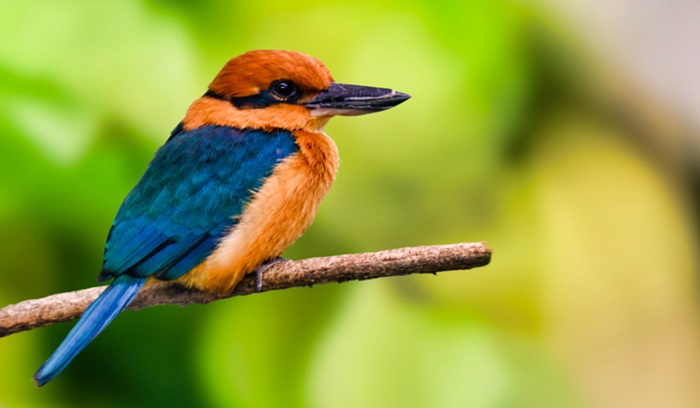
Guam Kingfisher

‘Extinct’ Guam kingfisher takes flight again after nearly 40 years

Six Guam kingfishers, known locally as sihek, have been released into the wild, marking their return from nearly four decades of being extinct in the wild. Sihek became extinct in the wild from their native Guam in 1986 due to the introduction of the brown tree snake, but a captive-breeding program has kept the species alive since then. This release, on the predator-free Palmyra Atoll, about 3,700 miles east of Guam, is part of a larger plan to establish a breeding population there, with the ultimate goal of returning the sihek to Guam once the threat from brown tree snakes is addressed.

Nervous Swans in the Rice Fields

California tears down levee in ‘largest tidal habitat restoration in state history’

A backhoe loader has dug into a levee in the Sacramento-San Joaquin Delta, breaking down a portion of the earthen embankment and allowing tidal waters to flow across 3,400 acres of land for the first time in 100 years, officials said. The plot of land, located in Solano County and just upriver from Rio Vista, is being called Lookout Slough, and it will provide new habitat for fish and wildlife and increase flood protection for the greater Sacramento area by boosting water storage capacity in the Yolo Bypass.

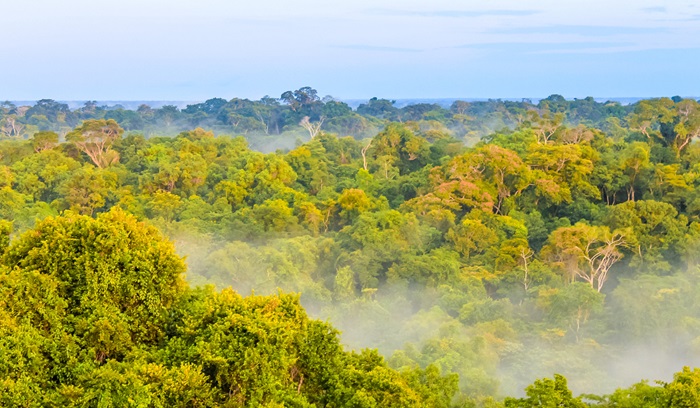
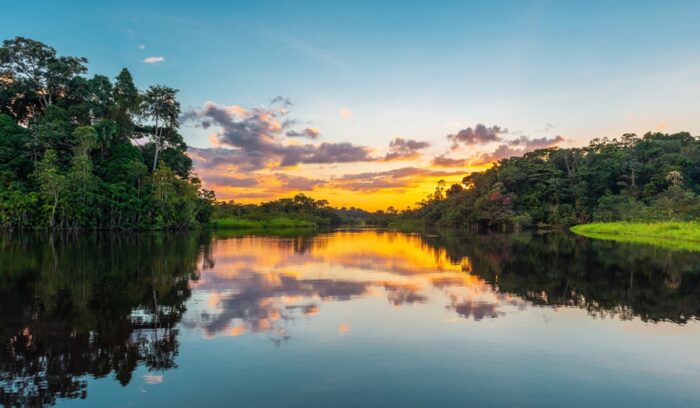
Amazon River Rainforest

Malaysian court shuts down hydroelectric dam project on Indigenous land

A Malaysian court ruled this week that hydropower companies building a dam on land belonging to the Indigenous Semai people of Malaysia’s Perak state had failed to secure proper consent and must halt operations immediately. The court also ruled that the state and federal governments, and the federal agency tasked with overseeing Indigenous affairs, had failed in their duty to protect Indigenous land from encroachment. Activists expressed relief and elation at the verdict, which marks a major milestone for land rights for Malaysia’s Indigenous peoples, known collectively as Orang Asal.
The verdict can still be appealed.

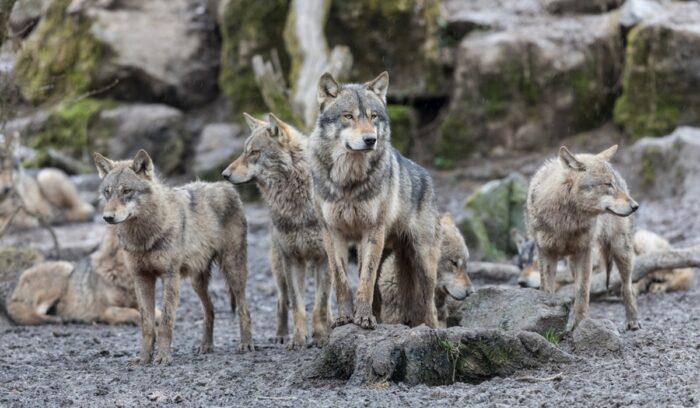
Gray wolf population growing fast in California — up sixfold in the past five years

The first wolf returned to the state after an 87-year absence in 2011, when a young male walked across the border from Oregon. By 2015, the first new wolf pack had re-established, in Siskiyou County. By 2019, there were seven gray wolves in California. Now there are 44 — a sixfold increase over the past five years, according to the California Department of Fish and Wildlife. Wolves are now found in nine of California’s 58 counties, in seven packs from the Oregon border to the mountains around Lake Tahoe, and in the Southern Sierra near Bakersfield.

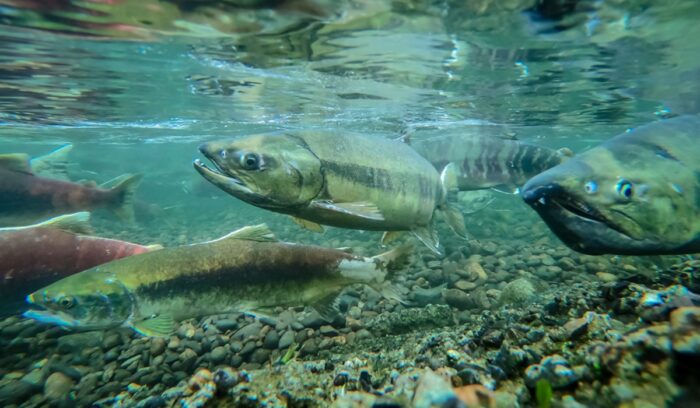
Salmon run

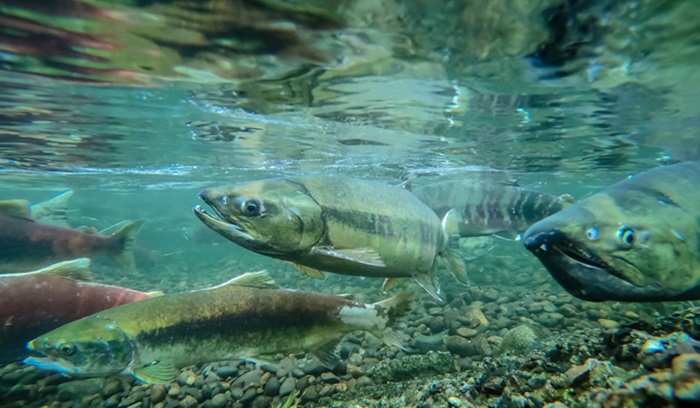
Salmon will soon swim freely in the Klamath River for first time in a century once dams are removed

The largest dam removal project in U.S. history is nearing completion. Crews will use excavators this week to breach rock dams that have been diverting water upstream of two dams that were already almost completely removed, Iron Gate and Copco No. 1. The work will allow the river to flow freely in its historic channel, giving salmon a passageway to key swaths of habitat just in time for the fall Chinook, or king salmon, spawning season.

Red pandas in a tree

Nepal opens first community-based red panda conservation area 

Nepal’s first community-based red panda conservation area has been established in the Puwamajhuwa area of Ilam Municipality, covering 287 acres of temperate broad-leaved forests. The conservation area aims to protect the endangered red panda species, promote ecotourism, and contribute to local community livelihoods. This initiative demonstrates the increased authority of local governments in Nepal following the 2015 Constitution, allowing for community-driven conservation efforts.

Saint Mary Lake

The U.S. national park system gets a $100 million grant, the largest in its history

The National Park Foundation has received the largest grant in its nearly 60-year history, a $100 million gift from Lilly Endowment Inc. The money will fund four key priorities, including creating opportunities for young people to visit the parks and conserving threatened ecosystems and wildlife. The foundation also plans to use the money to tell a more comprehensive version of U.S. history, including the “experiences of communities whose voices and contributions have not been fully told as a part of the American story.”

New Caledonia’s endangered cagou now thriving after conservation push

The flightless bird is considered endangered and experts estimate there are about 2,000 in New Caledonia, a French territory in the South Pacific. A “massacre” by predators in 2017 killed about three-quarters of the population in the area. A similar incident three years later further hurt its numbers. But efforts to preserve and grow the population are paying off. A series of steps to protect the birds – including managing threats and tracking behavior – have seen their numbers triple since 2017.