
Sweden to build world’s first permanent e-road by 2035
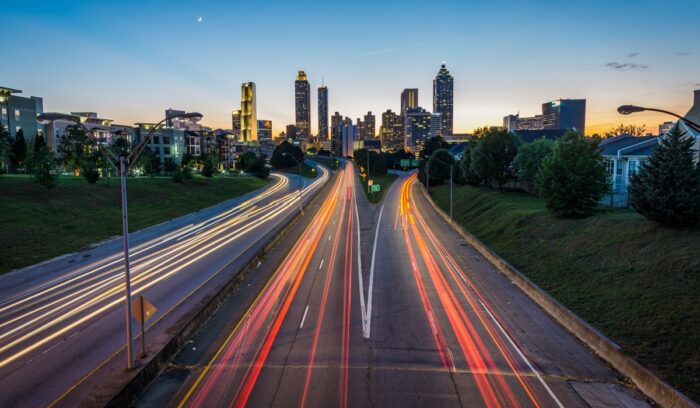
The first of its kind in the world, the e-motorway that charges EVs while they drive may lead to an expansion of a further 3,000 km of electric roads in Sweden by 2045.
This archive covers 314 stories about how people are rethinking the way we move — from cleaner transit systems and safer roads to breakthroughs in electric vehicles and urban bike infrastructure. Each article focuses on real progress, grounded in evidence, showing what’s working and where.

The first of its kind in the world, the e-motorway that charges EVs while they drive may lead to an expansion of a further 3,000 km of electric roads in Sweden by 2045.

Cochin International Airport has already been deemed the first ‘green airport’ in the world, for which it was awarded the ‘Champions of Earth’ award in 2018, the United Nation’s highest environmental honor.
While last year, the IEA projected that EVs would account for 21 percent of global sales in 2030, it now projects EVs will reach 35 percent of sales by that year.

The Loop by URB in Dubai is a sustainable urban highway meant for runners, pedestrians, and cyclists. It uses kinetic power to run on 100% renewable energy, is irrigated with 100% recycled water, and also integrates vertical farms into its design.

The number of motorists has fallen by 64% since 1999, while the number of climate-friendly cyclists has increased by 386%.

According to the airport, private and small business travel departing from Amsterdam emits around 20 times more climate-warming carbon dioxide per passenger than commercial aircraft.
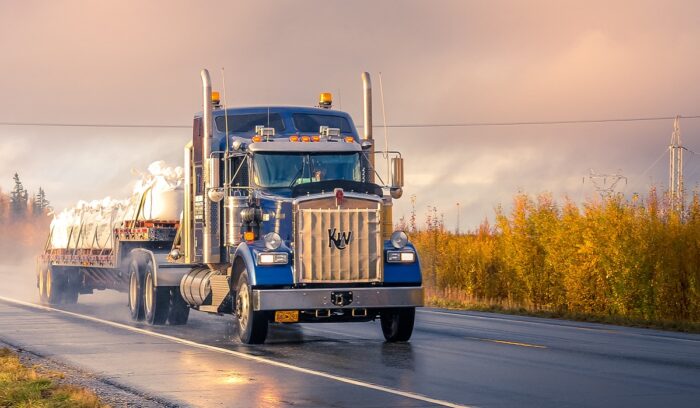
The U.S. EPA is granting California the legal authority to require that half of all heavy-duty truck sales in the state be fully electric by 2035, an ambitious standard that will go beyond federal requirements.
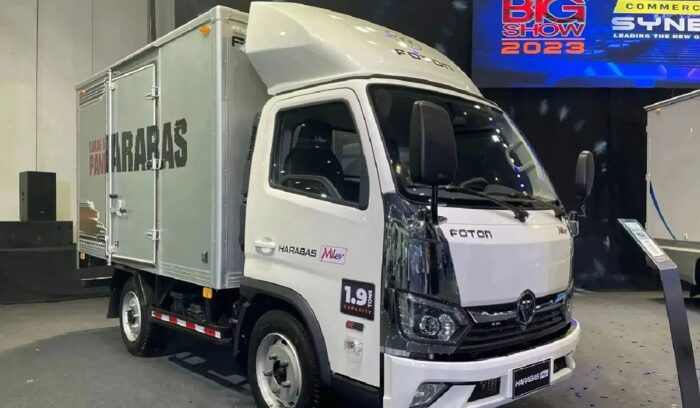
Foton Motor in China has been actively promoting its electric vehicle lineup in international markets. Its goal is to increase its annual sales of new energy vehicles to 200,000 units by 2025.

With the Swiss national railway network stretching beyond 2,000 miles of track, estimates place the amount of power generation at potentially beyond 1 terawatt hour or 2% of the entire gross annual consumption.
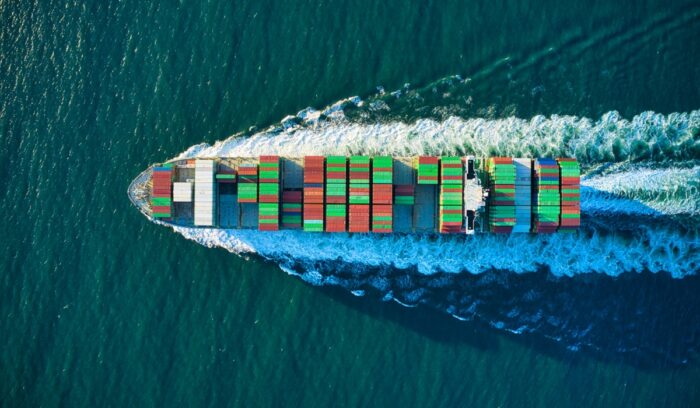
Under the law, which is being hailed as the most ambitious maritime fuel legislation in the world, ship emissions will be reduced by 2% as of 2025 and 80% as of 2050.