
Scientists develop a new method for recycling industrial plastic at room temperature in 20 minutes
The researchers at the University of Bath hope the new process will help recycling become less energy intensive, and thus more economically viable.
This archive collects more than 1,500 solutions-journalism stories tracking real progress on the climate crisis — from renewable energy records and emissions reductions to policy wins and community-led adaptation. The focus is on what’s working, who’s making it happen, and what the evidence shows about the path forward.

The researchers at the University of Bath hope the new process will help recycling become less energy intensive, and thus more economically viable.

New research from Clean Cities Campaign has named Oslo the most progressive in terms of getting rid of mobility emissions, followed by Amsterdam and Helsinki.

The crucial resolution will help develop a better understanding of the relationship between improving animal welfare and tackling the drivers of wildlife loss, climate change, pollution and pandemic diseases.

MIT spin-off Quaise says it’s going to use hijacked fusion technology to drill the deepest holes in history, unlocking clean, supercritical geothermal energy that can re-power fossil-fueled power plants all over the world.
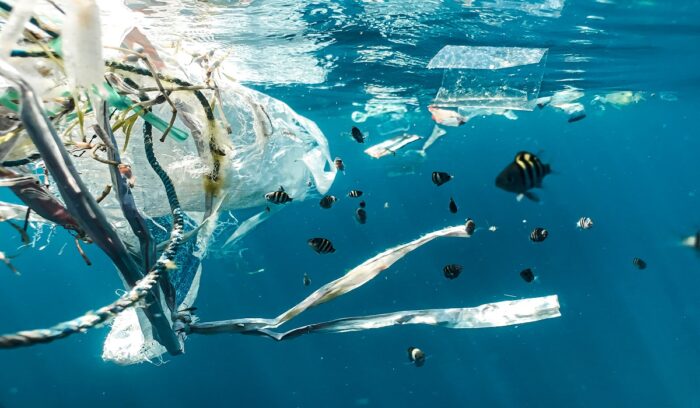
The measure calls for an international negotiating committee to set the terms of a treaty on plastic pollution by the end of 2024.

Economy Minister Robert Habeck has described the accelerated capacity expansion for renewable energy as a key element in making the country less dependent on Russian fossil fuel supplies.

By May 2023, haulers operating zero-emissions trucks — battery electric or hydrogen — must be given discounts of at least 50% on distance-based road tolls.
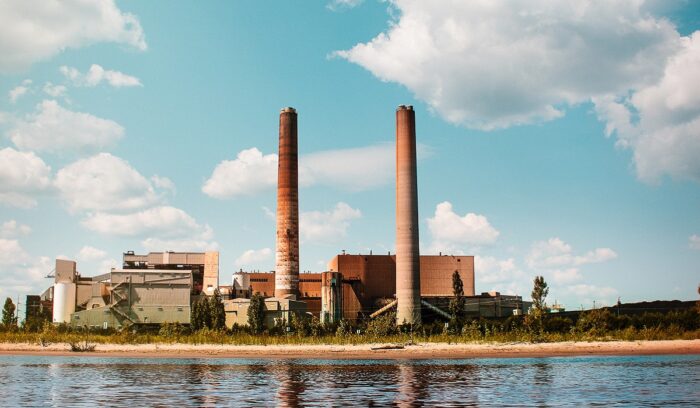
Duke Energy Corp. intends to close the rest of its coal plants by 2035 and more than double its renewable capacity by 2030 as part of a massive — and expensive — clean energy push.

Australia’s largest coal-fired power station will close seven years earlier than planned, as its operator says it is increasingly unable to compete with the “influx of renewables”.

The California Public Utilities Commission raised renewable energy procurement targets, plans for a more aggressive decarbonization plan, and includes increased reliability provisions.