Wildlife & land conservation

Crocodile from above

Siamese crocodile release into the wild marks conservation milestone in Cambodia

The Siamese crocodile is one of the world’s rarest crocodilians, with less than 1,000 individuals estimated to be surviving in the wild. The species hasn’t been sighted for more than 20 years in Virachey, one of Cambodia’s most remote national parks. Combined with recent record-breaking hatchings both in the wild and in captivity, as well as new records of releases into the Cardamom Mountains from the NGO Fauna & Flora, conservationists hope to build a species stronghold in Cambodia.

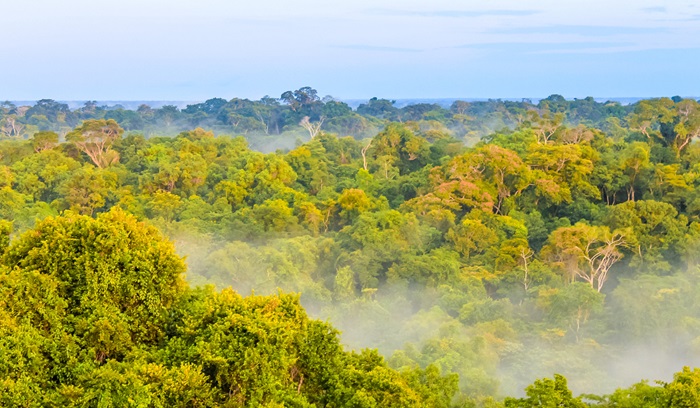
Morning fog over the brazilian rainforest in Brazil

Colombia creates landmark territory to protect uncontacted Indigenous groups

Colombia has created a first-of-its-kind territory meant to protect a group of Indigenous people living between the Caquetá and Putumayo Rivers in the Amazon Rainforest. The 2.7-million-acre territory is the first in the country specifically designed for people living in isolation. The Yuri-Passé people have faced increasing pressure from illegal mining and organized crime groups, forcing neighboring Indigenous communities to reach out to the government on their behalf. The creation of the territory follows years of advocacy by human rights and conservation groups.

Flower floating on the water with lilies

New Delhi transforms degraded lands into biodiversity parks

New Delhi, India’s capital city, struggles with numerous environmental challenges, including extremely poor air quality and heat waves. In response, since 2004, the city has created seven large “biodiversity parks” on previously degraded land. The Aravalli Biodiversity Park, a 692-acre park located near an upscale neighborhood, is now a thriving forest of native plants. The Neela Hauz Biodiversity Park is home to a lake that was once a dumping ground for untreated sewage. All seven parks were restored by the Delhi Development Authority and the University of Delhi and together span 2,026 acres.

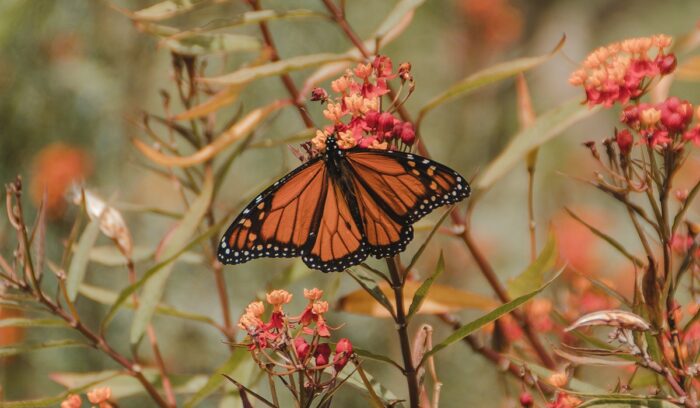
Monarch butterfly

Eastern monarch butterfly population nearly doubles in 2025

The population of eastern monarch butterflies – which migrate from Canada and the US to Mexico during the winter – has nearly doubled over the last year, according to a recent report commissioned in Mexico, generating optimism among nature preservationists. The growth in numbers for the orange-and-black butterflies follows years of ongoing conservation efforts – and perhaps provides a sliver of optimism after otherwise discouraging long-term trends for the species.

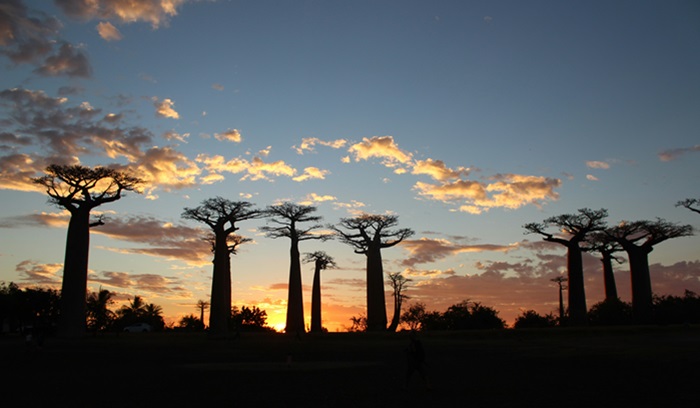
Silhouette of baobob trees

Seeds of 19 African tree species added to Svalbard Global Seed Vault

Norway is home to the Svalbard Global Seed Vault, a vast collection intended to secure the world’s vital genetic heritage against any eventuality. The vault currently holds duplicates of 1.3 million seed samples from nearly every corner of the world. Recently, the World Agroforestry Center deposited new seeds to the vault representing tree species of special value to communities across Africa. The 19 species represented included 13 native to Africa and six others that have found a place in the economies and ecologies of the continent.

Radiated tortoise

Wave of arrests as Madagascar shuts down tortoise trafficking network

A crackdown on the illegal trade in Malagasy tortoises has led to a series of recent arrests. Following the arrest of a Tanzanian national with 800 tortoises in December 2024, officials said a major investigation had uncovered a major international trafficking network that led to the arrests of more than 20 people in Madagascar and Tanzania. Wildlife trade monitoring watchdog TRAFFIC says more than 30,000 trafficked radiated tortoises were seized between 2000 and 2021.

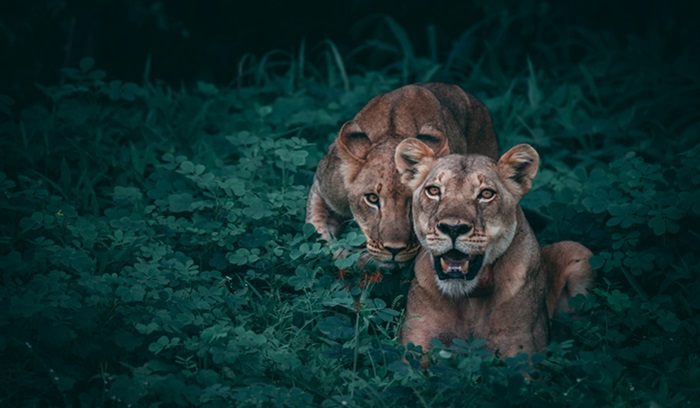
Two lions

Nearly 20,000 animals seized in global wildlife trafficking crackdown

Big cats, birds, primates, and pangolins were among the nearly 20,000 animals rescued in a recent global operation against wildlife and forestry traffickers. Led by Interpol and the World Customs Organization, the campaign involved police, customs, border patrol, forestry, and wildlife officials from 138 countries. Six transnational criminal networks suspected of trafficking animals and plants were identified, with 365 arrests made.

New Zealand's Taranaki Mounga

New Zealand mountain granted same legal rights as a person

Taranaki Mounga, the second-highest mountain on New Zealand’s North Island, and its surrounding peaks have been granted legal personhood, becoming the country’s third natural feature to gain the same rights, duties, and protections as individuals. The mountain region is of considerable cultural significance to Taranaki Māori and its designation of legal personhood is a long-awaited acknowledgment of their relationship to it. The mountain will also now be solely referred to officially by its Māori name, laying to rest its former colonial name, Mount Egmont.

Rainforest canopy

The Democratic Republic of Congo to create the Earth’s largest protected tropical forest reserve

An area covering the size of France will now be protected through partnerships with communities that integrates conservation and restoration with green economic development. This forms the world’s largest protected forest area and consists of a network of economic hubs built on sustainable agricultural production and powered by renewable energy derived from the hydropower potential of the Congo River. The initiative aims to create 500,000 new jobs and transfer a million tons of food annually to Kinshasa, Africa’s largest city.

Sea turtle swimming

Ecuador’s coastal ecosystems have rights, constitutional court rules

The Constitutional Court of Ecuador has determined that coastal marine ecosystems have rights of nature, including the right to “integral respect for its existence and for the maintenance and regeneration of its life cycles, structure, functions, and evolutionary processes,” per Chapter 7, Articles 71 to 74 in the country’s constitution. This is not the first time that Ecuador has established legal rights for nature. In fact, Ecuador was the first country in the world to establish that nature held legal rights, Earth.org reported.