Child well-being

This archive covers measurable progress in child well-being — from advances in pediatric health and early education to policies reducing child poverty and hunger. Across 129 articles, these stories highlight what is working for kids around the world and the people driving that change.

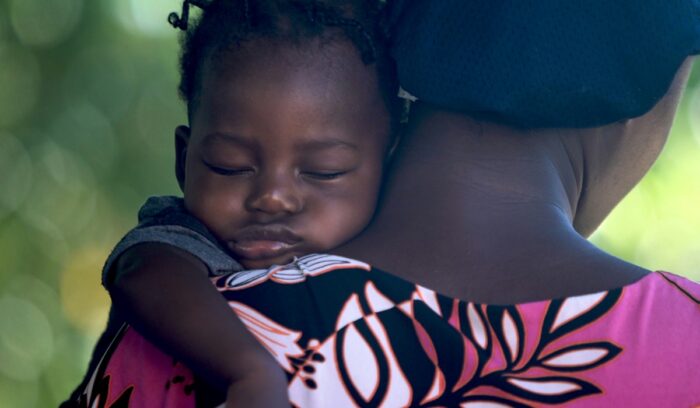
African girl sleeping on mother's shoulder, for article on global child mortality

‘Historic milestone’ as global child mortality hits record low of 4.9 million in 2022

Child deaths worldwide have fallen to 4.9 million in 2022 — the lowest number ever recorded, and roughly half the toll of the year 2000. Behind that drop is decades of unglamorous, working-everyday care: vaccines, bed nets, oral rehydration, skilled midwives, and community health workers showing up in their own neighborhoods. Rwanda offers a remarkable glimpse of what’s possible, having cut its under-five mortality rate by more than 80% since the aftermath of the 1994 genocide through community-based insurance and a serious investment in primary care. The number is still far too high, and newborns and children in conflict zones remain especially vulnerable. But the trend is one of humanity’s quiet, steady triumphs — proof that coordinated care, sustained over decades, saves millions of lives.

Laughing Baby

Japan expands free day care centers to all children

The Japanese government announced that it will now offer free daycare to all children aged 6 months to 2 years old, regardless of parents’ employment status. The “Childcare Access for All” program, set to begin in April 2024 with a trial run in 150 municipalities, will see nationwide implementation by 2026. All children within the age range will be eligible, with initial access capped at 10 hours per month, though an increase is planned for 2026.

A large french flag fluttering under the Arc de Triomphe in Paris, for article on constitutional abortion rights

France becomes world’s first country to enshrine abortion rights in constitution

Constitutional abortion rights became reality in France on Monday when lawmakers gathered at Versailles voted 780 to 72 to embed the protection in the nation’s founding document — the first country anywhere to do so. The amendment guarantees a “freedom” to abortion, language Prime Minister Gabriel Attal framed as a moral debt owed to generations of women, and a message that “your body belongs to you.” That night, the Eiffel Tower glowed with the words “my body my choice.” The move came as a direct response to the unraveling of Roe v. Wade, and it offers the world a powerful new template: lifting reproductive freedom above the reach of shifting politics, where it becomes structurally harder to take away.

African School Girl

Zambia passes landmark law amendment ending child marriage

Child marriage is now illegal in Zambia, thanks to the new Marriage (Amendment) Act. The landmark amendment defines a child as a “person who has attained, or is below, the age of eighteen years”. It also states that any marriage between persons where either is a child is now void. Although the practice has become less common in recent years, the UNFPA and UNICEF reported that in 2018, 29% of all young women in Zambia aged 20–24 married before 18 years old, and 5% before turning 15.

Back of a school bus

Miami commits to putting 100 electric school buses on the road

Miami-Dade county is set to receive nearly $20 million from the Environmental Protection Agency to help cover the costs of 50 new electric school buses and 16 DC fast chargers, bringing the public school district’s total to 100 electric buses. Miami-Dade county is one of four school districts selected to receive a total of $33,175,000 through the EPA’s first Clean School Bus Program’s Grants Competition.