Indigenous rights & well-being

Whale jumping

In move to protect whales, Polynesian Indigenous groups give them ‘personhood’

Indigenous leaders of New Zealand, Tahiti, and the Cook Islands signed a historic treaty that recognizes whales as legal persons in a move conservationists believe will apply pressure to national governments to offer greater protections for the large mammals. “It’s fitting that the traditional guardians are initiating this,” said Mere Takoko, a Māori conservationist who leads Hinemoana Halo Ocean Initiative, the group that spearheaded the treaty. “For us, by restoring those world populations we also restore our communities.”

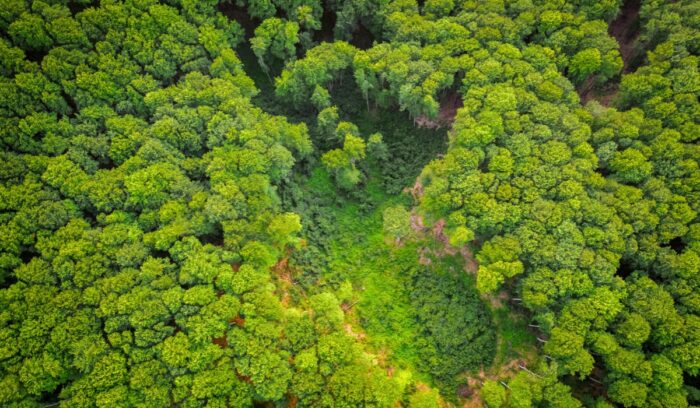
Redwoods with sun shining through

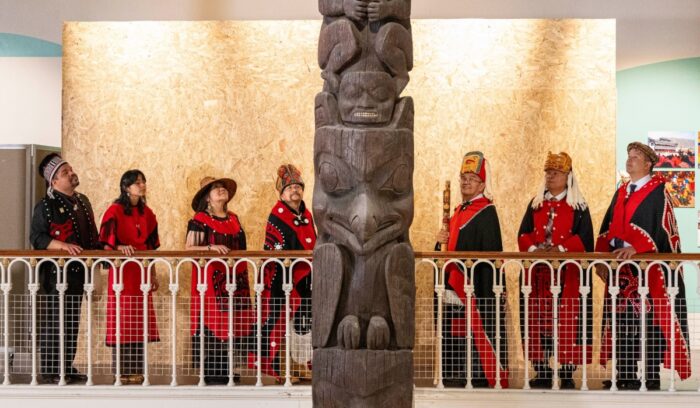
Yurok Tribe becomes the first to manage land with U.S. National Park Service

California’s Yurok Tribe, which had 90% of its territory taken from it during the gold rush of the mid-1800s, will be getting a slice of its land back to serve as a new gateway to Redwood national and state parks visited by 1 million people a year. The Yurok will be the first Native people to manage tribal land with the National Park Service under a historic memorandum of understanding signed by the tribe, Redwood national and state parks, and the non-profit Save the Redwoods League.

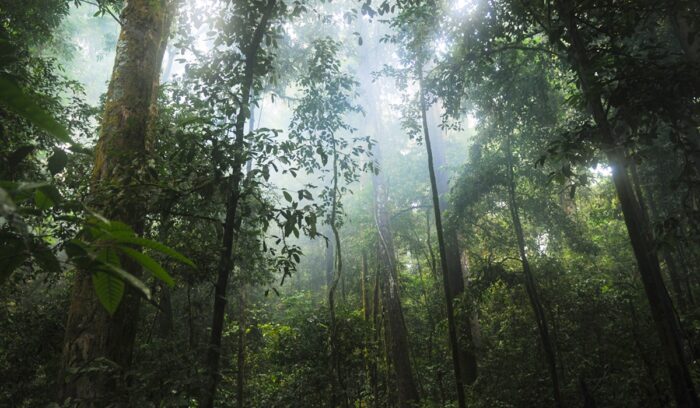
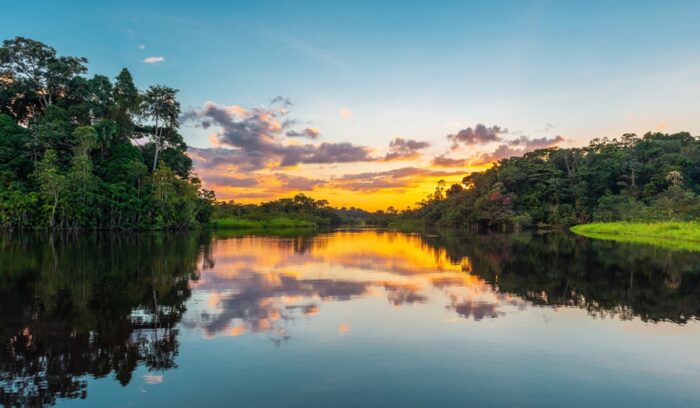
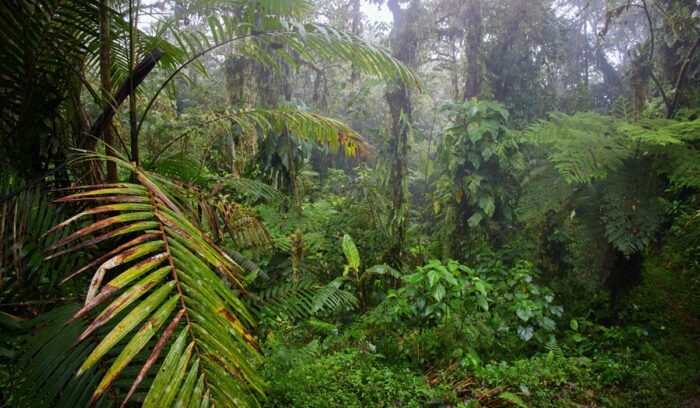
Bolivian rainforest

Bolivian town Sena protects 1 million acres of Amazon rainforest

Called the Gran Manupare Integrated Management Natural Area, the law was overseen by, and passed for the benefit of, “peasants and indigenous communities,” per a statement from the mayor’s office. Located in the Pando Department in the far northern corner of Bolivia, the new protected area represents almost 8% of its forests and has significantly increased the region’s conservation coverage to 26%. In the past 25 years, Bolivian towns like Sena have protected 10 million contiguous 25 million acres of Bolivia’s Amazon—an area nearly the size of Iceland.

California coast

First ever U.S. Indigenous Marine Stewardship Area declared in California

The Tolowa Dee-ni’ Nation, Resighini Rancheria, and Cher-Ae Heights Indian Community designated the first ever Indigenous Marine Stewardship Area (IMSA) in the U.S. along the northern California coast.
The tribes plan to steward nearly 700 square miles of their ancestral ocean and coastal territories from the California-Oregon border to Little River near the town of Trinidad, California using traditional ecological knowledge and management practices.

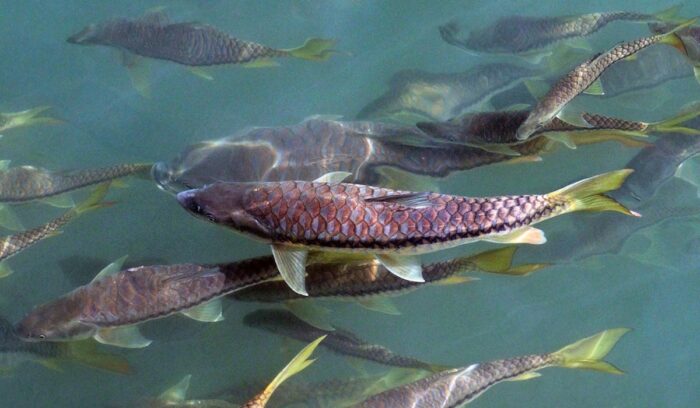
Golden mahseer fish swimming

Indigenous effort in Bangladesh helps reverse endangered fish’s slide to extinction

Unchecked logging and quarrying of rocks from streambeds in Bangladesh’s Chittagong Hill Tracts led to springs drying up and populations of putitor mahseer fish, an endangered species, disappearing. A project launched in 2016 and backed by USAID and the UNDP is working with Indigenous communities to reverse this decline.
Now, as a result of these efforts, areas where forests have been conserved have seen the flow of springs stabilize and fish populations revive.
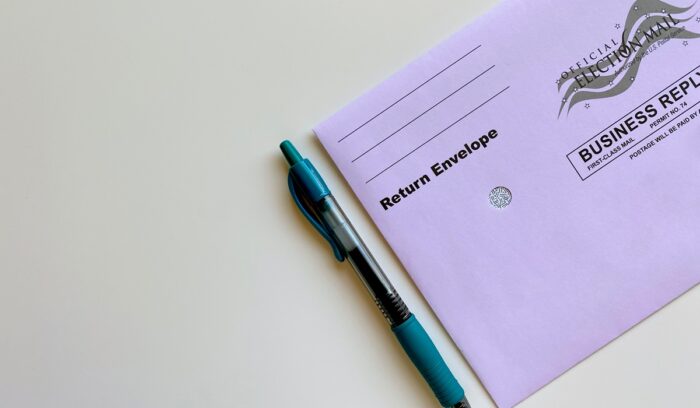
Mail-in ballot with pen

Colorado to be first state in the U.S. to expand automatic voter registration to tribes

Tribal communities in Colorado share some of the same registration and voting barriers as other rural communities across the U.S., like geographic isolation and unreliable mail delivery. But according to the Native American Rights Fund, tribal communities also commonly experience obstacles like language barriers, a lack of voter registration opportunities, and state laws in some parts of the country that block polling places on tribal lands.