Child well-being

This archive covers measurable progress in child well-being — from advances in pediatric health and early education to policies reducing child poverty and hunger. Across 129 articles, these stories highlight what is working for kids around the world and the people driving that change.

image for article on mobile phone ban in schools

France to trial ban on mobile phones at school for children under 15

Phone-free schools are getting a real test in France, where nearly 200 secondary schools now require students under 15 to hand over their devices at reception — not just tuck them in a bag. The pilot grew out of a 140-page expert report commissioned by President Macron, which found a clear consensus that heavy screen use harms children’s sleep, activity, eyesight, and well-being. If the trial goes well, a nationwide rollout could follow as early as January 2025. It’s one of the most ambitious real-world experiments yet on protecting young attention spans, and educators across Europe will be watching to see what a genuine “digital pause” can do for kids.
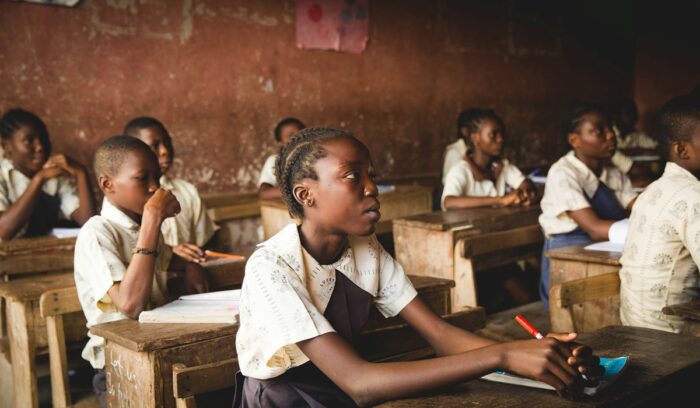
African children in schools

Zambia’s free schools lead to surge in student numbers

The Zambian government introduced free primary and secondary school education in 2021. Three years later, an additional two million students are filling classrooms across the country. The overall increase in enrollment reflects a trend across sub-Saharan Africa, with more children in school than ever before, according to UNICEF.

Good news for LGBTQ rights

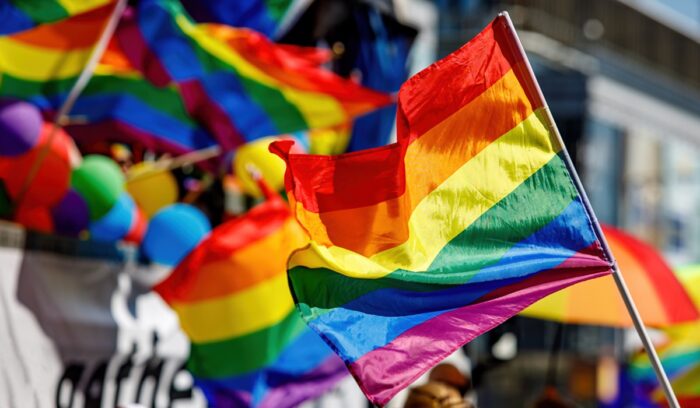
California passes first-in-the-nation law banning forced outings of queer students in state public schools

The SAFETY Act prohibits “parental notification” policies in school districts that require educators to notify parents if their child requests to use pronouns and facilities different from the gender they were assigned at birth. The law, which goes into effect immediately, also protects teachers and administrators from retaliation if they choose not to follow district directives to out queer kids to their parents.

Sierra Leone woman

Sierra Leone bans child marriage

Anybody in the West African nation now involved in the marriage of a girl under the age of 18 will be jailed for at least 15 years or fined around $4,000, or both. The Ministry of Health estimates that a third of girls are married off before they turn 18, accounting for the country’s high number of maternal deaths – among the highest in the world.

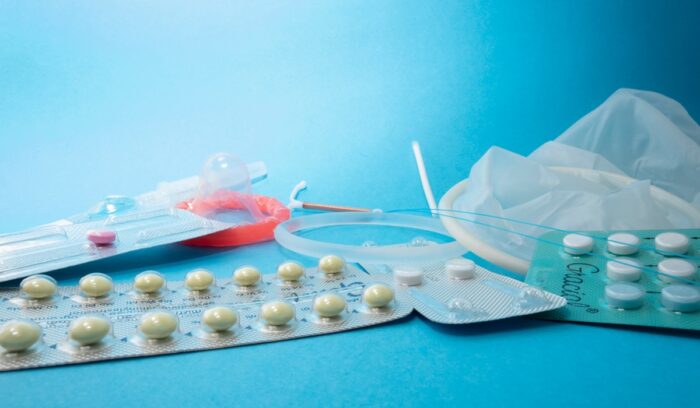
Contraceptives, for article on free contraception program

Free contraception initiative helps Finland reduce teenage abortions by 66%

Free contraception cut Finland’s teen abortion rate by 66% over roughly two decades, one of the steepest drops ever recorded in a high-income country. The shift came when municipalities began quietly weaving no-cost birth control into the same youth clinics where teenagers already get vaccines and check-ups, no awkward conversations or out-of-pocket costs required. Researchers say the lesson is refreshingly simple: young people aren’t avoiding contraception because they don’t understand it, but because of cost, stigma, or logistics — and Finland removed all three. As governments worldwide search for ways to support young people’s health and futures, this offers a quietly powerful blueprint: trust teenagers, meet them where they are, and the rest tends to follow.

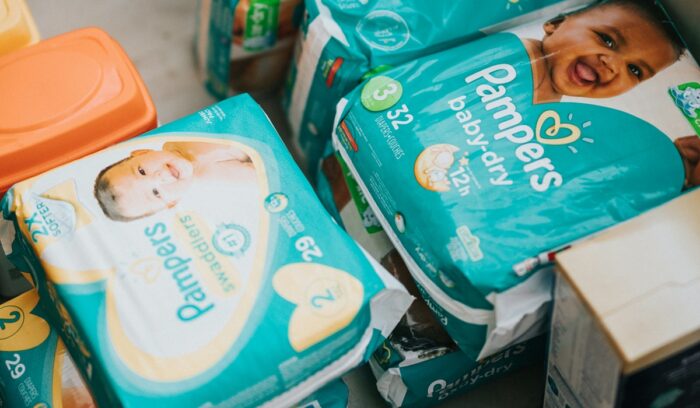
Packages of diapers

Tennessee to become the first U.S. state to provide some children’s diapers

According to the National Diaper Bank Network, 92% of families receiving diapers in Tennessee are working and still unable to afford an adequate supply of diapers. However, it was just announced that the state’s Medicaid program will officially start covering 100 diapers a month for newborns, infants, and one-year-olds in August 2024, becoming the first U.S. state to do so.

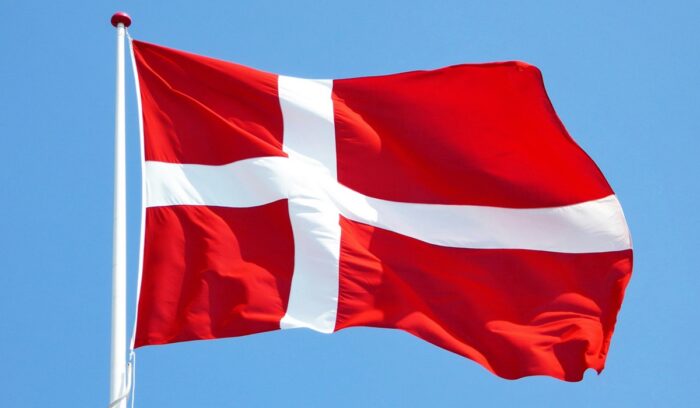
Danish flag

Denmark relaxes abortion law

Denmark is easing its abortion law for the first time in 50 years to allow women to terminate their pregnancies up to the 18th week. The new rules will also allow 15 to 17-year-olds to have an abortion without parental consent and will replace the five regional abortion consultations with a new national abortion board, to avoid local differences.

Contraceptives, for article on free contraception program

Canada to make contraception for women free

The government will pay for the most widely used methods to avoid pregnancy, such as IUDs, contraceptive pills, hormonal implants or the day after pill, for the nine million Canadian women of reproductive age, Deputy Prime Minister Chrystia Freeland said at a press conference. “Women should be free to choose the contraceptives they need without cost getting in the way. So, we’re making contraceptives free,” Prime Minister Justin Trudeau said.

Nagoya

Aichi becomes Japan’s first prefecture to consider same-sex couples with children as family

Aichi – which is home to Japan’s fourth largest city Nagoya – will become the country’s first prefecture to recognize non-heterosexual and common-law couples and their children as families under a “family ship” oath system that will come into effect on April 1. Those who take the oath will have the right to public housing provided by the prefecture and will have the right to give consent when a loved one needs surgery at a hospital managed by the prefecture.