Transportation

Cargo ship at sunset

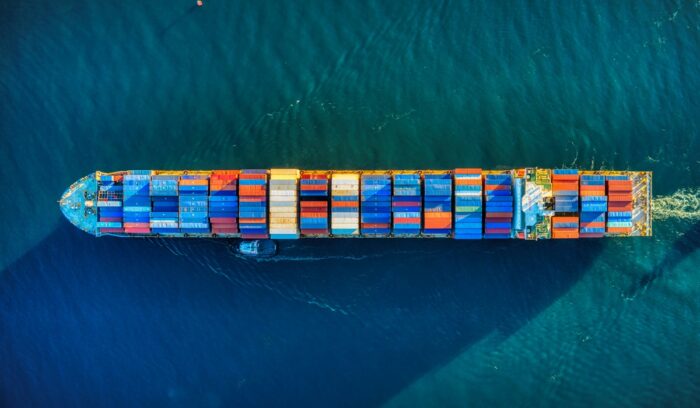
New piloting approach cuts cargo ship emissions by 17.3% in first trials

Currently, most cargo ships go as quickly as they can from port A to port B. When they get there, they sit still and wait at idle, continuing to burn fuel, until it’s time for them to dock. The Blue Visby Solution simply tells the ships to slow down, so they arrive at port right on time. Pushing all that bulk through the water at a slower speed cuts down hugely on hydrodynamic drag, so the engines burn considerably less fuel.
Car being assembled in factory

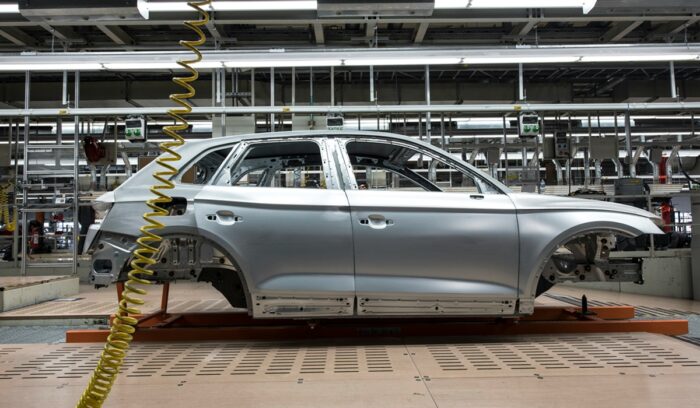
Chinese fossil car production plunges amid surging EV demand

A Financial Times story reports that the asset value of internal combustion engine (ICE) vehicle factories has plummeted as legacy carmakers scale back production because of the growing popularity of electric vehicles. China’s 2023 ICE vehicle production is down a staggering 37% from its peak of 17.7 million in 2017, in a major win for climate action.

Bicyclist on city street

Denver will now pay residents who commute on bikes

The city’s new Bicycling Rewards Program aims to encourage community members to ride a bike instead of driving. The program comes as a response to the city’s lagging climate goals. According to Denver Streets Partnership, transportation was responsible for 30% of the city’s greenhouse gas emissions in 2018, and this incentive is part of a larger research project to see what motivates locals to ditch their cars.

Aerial view of container ship

Decarbonization containers turn 78% of marine emissions into limestone in new pilot

A remarkable pilot project installed on a 787-ft. container ship has proven it’s possible to capture emissions from the smokestacks of cargo ships with 78% efficiency and convert the CO2 into limestone pebbles, which can be offloaded and sold. London startup Seabound, funded by a US$1.5-million grant from the UK Government, partnered up with global shipping company Lomar to install the carbon capture equipment on one of its older and dirtier-burning ships, a medium-sized vessel capable of carrying more than 3,200 shipping containers.

Meskel Square traffic in Addis Ababa

Ethiopia becomes first country to ban combustion-powered vehicles

Ethiopia is to claim the accolade of becoming the first country in the world to ban the importation of all internal combustion engine cars, both new and used. The East African country will adopt an electric-only strategy as it seeks to reduce its reliance on fossil fuel imports and clean the air in its cities. While EV charging infrastructure is limited, Ethiopia does generate 100% of its electricity from renewable sources, according to the International Energy Agency, with strong solar, hydropower, and wind power projects.

Traffic in a Chinese city

25% of new car sales in China were fully electric in 2023 for the first time ever

Electric vehicles sales in China, the world’s largest automotive market, are surging. All plugin models accounted for 37% of the market in 2023, up from just 6% at the end of 2021. Full electrics (BEVs) alone accounted for 25%. Plugins are expected to cross the 50% mark for plugins and electric by 2026, with BEVs likely to account for over a third of sales, if current trends persist.

Car exhaust|Traffic on a bridge

Canada to end sales of gas-powered cars by 2035

Under the new rules, electric or hydrogen-powered cars will account for 20% of new sales by 2026, 60% by 2030, and 100% by 2035. The rules mirror similar 2035 phase-out mandates in China, South Korea, the U.K. and several U.S. states, including California, New York, and Massachusetts.

Silhouette of an airplane

Denmark introduces “green tax” for sustainable aviation

Revenue from the new measure is expected to contribute to sustainable fuel use in domestic air transportation by the end of the decade, as well as a pensioner bonus increase of approximately $2.18 billion annually for those receiving the smallest benefits. The Danish government’s goal is to have the nation’s first exclusively green-fueled domestic route operating by 2025.