Clean & renewable energy

Inside Vatican dome

Vatican strikes solar farm deal to become the world’s first carbon-neutral state

Italy has agreed to a Vatican plan to build a solar farm on 1,000 acres near Rome, aiming to make Vatican City the world’s first carbon-neutral state. The Santa Maria Galeria project will generate enough clean energy for the micronation while preserving the land’s agricultural use and minimizing environmental impact. This step marks a significant commitment by the Vatican toward sustainability and climate leadership.
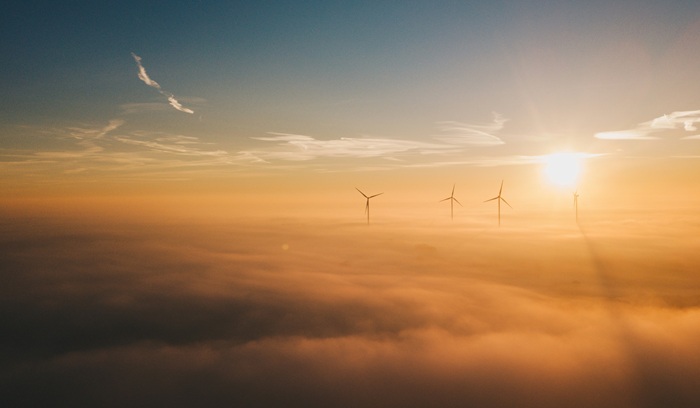
Sun shining with wind turbines rising above clouds

More than 90% of global new renewable energy capacity is now cheaper than fossil fuels

The global switch to renewable energy has passed a “positive tipping point,” according to two United Nations reports. Solar is now 41% cheaper than fossil fuels worldwide. Not long ago, it was four times the cost. Offshore wind is now also 53% cheaper and the most affordable source of new renewable energy. Even more, costs for renewables are expected to keep dropping as technology matures and supply chains strengthen.

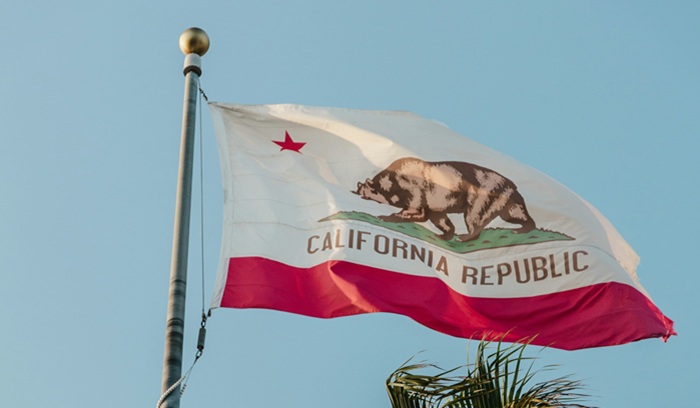
California flag

California becomes world’s largest economy to be powered by two-thirds clean energy

The state released new data showing California’s continued progress toward a clean energy future with 67% of the state’s retail electricity sales in 2023 coming from renewable and zero-carbon electricity generation — compared to just 61% the previous year and around 41% a decade ago. Then, in 2024, the state added a record-breaking 7,000 MW of clean capacity to the grid, the largest single-year increase in clean energy capacity in state history.

Solar in the foreground, wind turbines in the background

India now gets 50% of its energy from non-fossil sources

The world’s most populous nation has achieved the milestone of generating a majority of its installed electricity capacity from non-fossil fuel sources — five years ahead of its 2030 target under the Paris Agreement. India’s renewable power output rose at its fastest pace since 2022 in the first half of 2025, while coal-fired generation declined nearly 3%. The country added nearly 28 GW of solar and wind in 2024 and had already added 16 GW of wind and solar capacity by June 2025.

Solar farm

Solar was E.U.’s biggest source of power for the first time ever in June 2025

At least 13 E.U. countries saw solar output hit a new monthly high in June, according to an analysis from energy think tank Ember. Solar amounted to more than 40% of generation in the Netherlands and 35% in Greece. Coal generated just 6 percent of electricity, a new monthly low. Fifteen E.U. countries are now coal-free, including Austria, Belgium, and Ireland. Analysts say that the June surge in solar power helped Europe weather a brutal heat wave, which saw temperatures soar upwards of 110 degrees F Analysts say that the June surge in solar power helped Europe weather a brutal heat wave.

Solar farm

China achieves historic 1 TW solar capacity milestone

China has continued its reign as the undisputed global leader in renewable energy, with its solar capacity now surpassing a whopping 1 terawatt (TW). According to the Energy Information Administration, the total global electricity capacity in 2022 was less than 9 TW. From January to May, new solar installations totaled 197 GW, up 388% from the same period last year. In May alone, China added 92 GW of new capacity, a 105% increase from April and the highest monthly figure on record. China reached its first 1 GW of installed solar just 15 years ago in 2010.

Illustration of the concept of nuclear fusion

U.K. to offer fusion energy industry $3.3 billion funding boost over next five years

More than £2.5bn of investment into fusion energy over the next five years has been announced as part of the British government’s Spending Review. It said the money would “cement” Oxfordshire’s role as a “world-leading hub” for the technology, while funds would also be invested into plans to build a fusion power plant in Nottinghamshire. Nuclear fusion is the same energy process that powers the stars, which scientists say has the potential of virtually unlimited supplies of low-carbon, low-radiation energy and is often called the “holy grail” of clean energy.

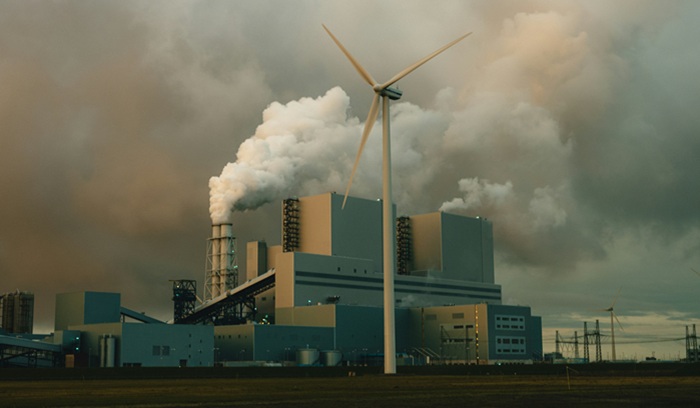
Factory polluting with wind turbine in foreground

China’s CO2 emissions begin declining for first time

The world’s largest emitter of carbon dioxide has seen a slight decline in those emissions over the past 12 months, even as demand for power has increased. This is an encouraging sign that the country’s massive investment in clean energy has begun to displace fossil fuels. A new report, published in Carbon Brief, finds that the country’s CO2 emissions have declined by 1% over the past 12 months. In the first quarter of 2025 alone, emissions declined by 1.6% relative to last year.

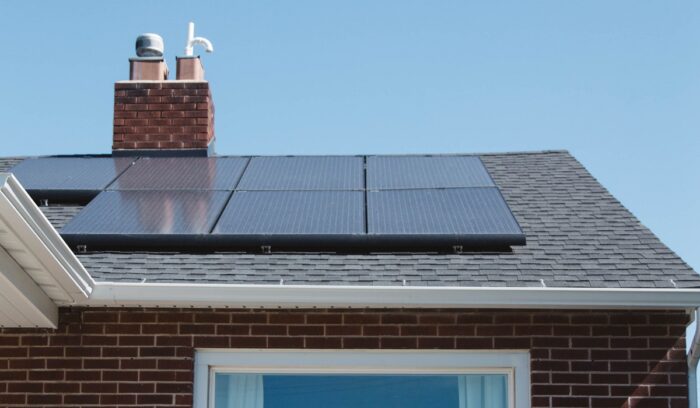
Rooftop solar

Solar panels to be fitted on all new-build homes in England by 2027

Almost all new homes in England will be fitted with solar panels during construction within two years. Under the plans, housebuilders will be legally required to install solar panels on the roofs of new properties by 2027. The policy is estimated to add between £3,000 and £4,000 to building a home, but homeowners would save more than £1,000 on their annual energy bills, according to the Times.

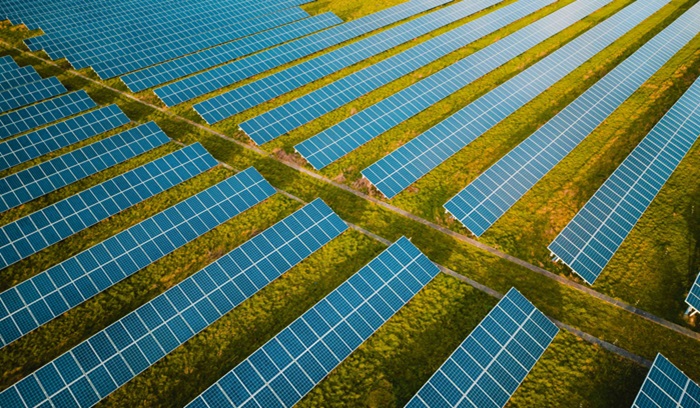
Solar farm

Renewable energy now handles 40% of global electricity needs

According to a new report from U.K. think tank Ember, clean energy accounted for 40.9% of electricity produced worldwide in 2024. The push past the 40% mark was fueled by an unprecedented growth in solar, significant contributions from wind, a recovery in hydropower, and a small rise in nuclear power. China and the E.U. demonstrated the most remarkable increases in clean electricity generation, meeting 81% and 71% of their new electricity demand from renewables in 2024, respectively.