
Kansas City becomes first major American city with universal fare-free public transit
Free bus service, which is expected to cost about $8 million, has been pitched as a major help to low-income residents who rely on transit to commute to work.
This archive covers 314 stories about how people are rethinking the way we move — from cleaner transit systems and safer roads to breakthroughs in electric vehicles and urban bike infrastructure. Each article focuses on real progress, grounded in evidence, showing what’s working and where.

Free bus service, which is expected to cost about $8 million, has been pitched as a major help to low-income residents who rely on transit to commute to work.
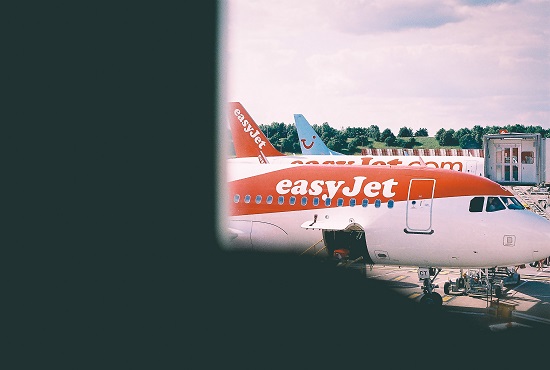
EasyJet will begin to offset emissions from its 331 planes immediately. It will become the world’s first major airline to operate net zero carbon flights across their entire network.

A Kenyan startup, Opibus, is forging ahead with its plans to electrify old Matatus and Boda Bodas. Opibus begins mass EV conversions of minibuses and motorcycles in Q1 2020.

Santiago’s metro system – which transports approximately 2.4 million passengers each day – will become one of the first subways in the world to source most of its power needs from renewable energy.

The government of the Brussels-Capital Region has approved its far-reaching climate plan, which includes a complete ban on cars that run on diesel or petrol by 2035.
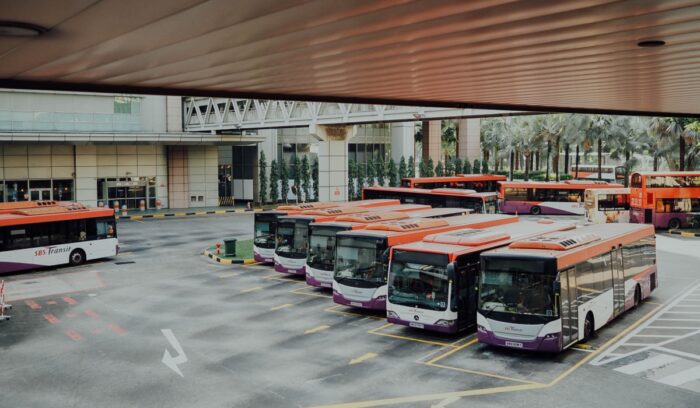
The free bus service started in September of 2018. Since then, there has been an increase in ridership, rising 57% during the week and 115% on weekends.

Tennessee’s fourth largest city, Chattanooga, became the first American airport to be 100% solar powered — and joins only a handful of airports who claim the same across the world.
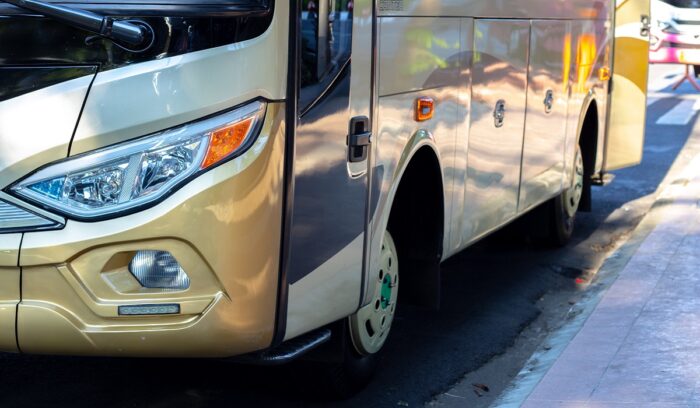
The sudden jump in electric buses purchases is the result of a financial subsidy worth US$360 million, offered by the central government.

France will introduce a new charge on plane tickets from next year, with revenue used to fund environment-friendly alternatives.
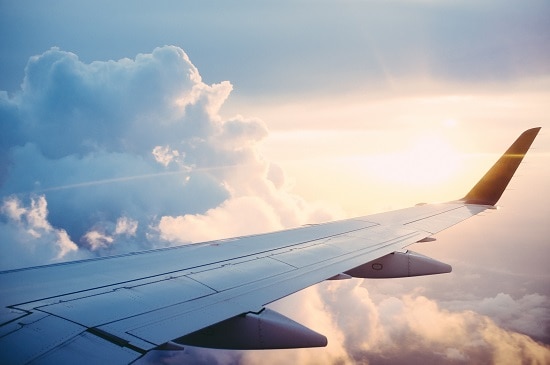
The plastic-free initiative was initiated in 2018, with the company replacing five single-use plastic products across its domestic services.