Poverty alleviation

Insulin pen

California to become U.S. first state to sell cheap insulin through state-backed program

California has achieved a major healthcare milestone by launching a groundbreaking initiative to provide affordable, state-backed insulin. The pioneering CalRx program is contracting with a generic manufacturer to produce the medication, which it will sell at near-cost prices. This action is expected to drastically lower costs for the nearly $3.2 million residents living with diabetes. By intervening in the market, the state affirms that essential, life-saving medication must be affordable, setting a powerful national precedent for health equity.

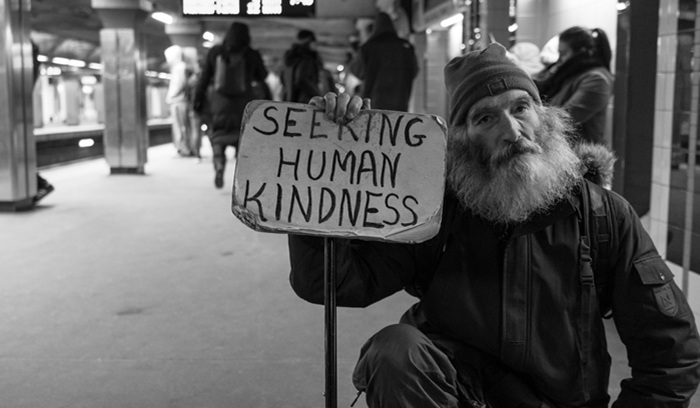
Person with "seeking human kindness" sign

California passes bill blocking cities from punishing people who help the homeless

California has passed Senate Bill 634, a crucial new law designed to rapidly expand the workforce dedicated to solving homelessness. Signed by Governor Gavin Newsom, the legislation removes bureaucratic barriers to hiring, allowing service providers to recruit qualified staff and peer support workers more easily. This practical reform addresses critical labor shortages, ensuring that housing and mental health services can be delivered faster and more effectively to unhoused residents across the state.

Children in preschool raising their hands

New Mexico to be first U.S. state to launch universal child care system

A groundbreaking new law in New Mexico is making history by guaranteeing no-cost childcare for all families. This initiative is a strategic investment in the state’s future, designed to boost the economy by enabling parents, particularly mothers, to enter or re-enter the workforce. It also ensures quality by increasing provider pay to a minimum of $18 an hour. This progressive move sets a new national standard, proving that investing in children and families is a powerful path to long-term prosperity.

Fishing people in Ghana

Ghana passes landmark legislation to protect artisanal fisheries

Ghana has enacted the Fisheries and Aquaculture Act of 2025, a landmark reform that strengthens protections for its artisanal fishing communities. The law doubles the inshore exclusion zone (IEZ) from 6 to 12 nautical miles, effectively banning industrial trawlers from critical coastal waters and safeguarding vital breeding grounds. It also introduces mandatory electronic monitoring on industrial vessels, tougher penalties for illegal activity, and greater autonomy for the Fisheries Commission in managing marine resources. Signed into law by President Mahama on August 19, the reform is widely seen as a major step toward rebuilding overfished stocks, defending livelihoods, and positioning Ghana as a leader in sustainable West African fisheries management.

Australian money

Australia cuts student debt by 20%, easing pressure on millions

Australia will cut student loan balances by 20%, delivering over A$16 billion in relief to three million people. A graduate with an average loan of A$27,600 will see about A$5,520 erased, with changes backdated to June 1, 2025, before a 3.2% inflation adjustment. The law also lifts the repayment threshold to A$67,000 in annual income, easing the burden on lower earners and delaying repayments for many.

Dollar bills and pills, representing medical debt

Arizona erases $429 million in medical debt

Thousands of Arizonans now have a financial burden lifted off their shoulders, Gov. Katie Hobbs announced on Wednesday. According to the Democratic governor, $429 million in medical debt has been erased for more than 352,000 Arizonans as part of a partnership between her administration and national nonprofit Undue Medical Debt. In 2024, Hobbs announced an initiative to erase $2 billion in medical debt for up to one million Arizonans.

Euro bills

Germany to raise minimum wage from €12.82 to €14.60 by 2027

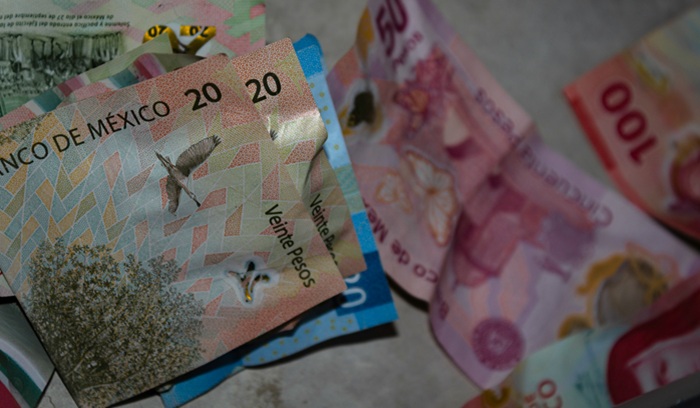
The wage increase will take place in two stages. First, it will be increased from €12.82 per hour to €13.90 at the beginning of 2026. It will then increase again by €0.70 a year later. This means German workers would typically earn close to €2,500, making it the second-highest minimum wage in the European Union after Luxembourg, which mandates a monthly minimum of €2,638.

School meal

Free school meals to be extended to half a million more of England’s poorest children

Since 2018, children in England have only been eligible for free school meals if their household income is less than £7,400 per year, meaning hundreds of thousands of children living in poverty have been unable to access them. Now, from the start of the 2026 school year, every child whose household is on universal credit will be entitled to free school meals. The major policy expansion is expected to offer free meals to an additional 500,000 children across, lift 100,000 children out of poverty, and put an extra £500 in parents’ pockets.

Homeless person laying down

Finland has lowered their homelessness rates by 75% since 2008

Finland estimates that 3,806 citizens are currently experiencing homelessness (about 0.06% of the population). In comparison, over 771,480 Americans were counted as unhoused in January 2025 (about 0.2% of the population). The feat is even more remarkable when noting that Finland’s method of counting homelessness is much more inclusive than other leading countries. In Finland, homelessness statistics include individuals temporarily living with friends and relatives, living in an institution, staying in hostels, congregate shelters, and “rough sleeping” outside on the streets.