Indigenous rights & well-being

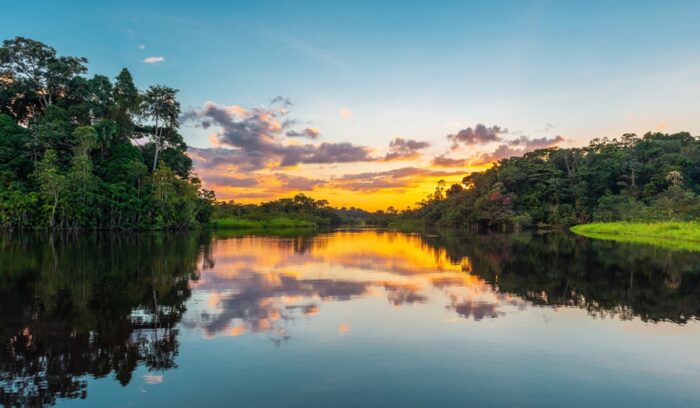
Morning fog over the brazilian rainforest in Brazil

Colombia creates landmark territory to protect uncontacted Indigenous groups

Colombia has created a first-of-its-kind territory meant to protect a group of Indigenous people living between the Caquetá and Putumayo Rivers in the Amazon Rainforest. The 2.7-million-acre territory is the first in the country specifically designed for people living in isolation. The Yuri-Passé people have faced increasing pressure from illegal mining and organized crime groups, forcing neighboring Indigenous communities to reach out to the government on their behalf. The creation of the territory follows years of advocacy by human rights and conservation groups.

Prairie Land Potawatomi Nation's Chief Shab-eh-nay

Illinois returns stolen land to Prairie Band Potawatomi Nation

The Prairie Land Potawatomi Nation has reclaimed land in Illinois that was promised to the tribe’s leader 175 years ago but stolen by the federal government 20 years later. A law signed by Gov. JB Pritzker last week transferred Shabbona Lake State Recreation Area, 1,500 acres in north-central Illinois. “We are proud to once again call this land home,” said Joseph “Zeke” Rupnick, chairman of the Prairie Band Potawatomi Nation based in Mayetta, Kansas.

Amazon

Brazil’s crackdown on illegal mining in Munduruku Indigenous land sees success

Since November 2024, government agents have carried out 523 actions, destroying 90 camps, 15 vessels, 27 heavy machinery, and 224 engines. The coordinated government effort caused losses of $1.9 million USD to criminals. The 5.9-million-acre Munduruku Indigenous Territory, home to 6,500 people, is one of the lands that has been hardest hit by illegal mining in the country. During Bolsonaro’s administration, there was a 363% increase in the area degraded by mining which brought diseases, mercury contamination, attacks, and deaths to communities.

Haida Gwaii cove

Haida celebrate title agreement that enshrines right to control their own destiny

The Big Tide Haida Title Lands Agreement affirms that the Haida have Aboriginal title over all of the Haida Gwaii islands’ lands, beds of freshwater bodies, and foreshores to the low-tide mark. It will transition the Crown-title land owned by Canada to the Haida people, granting them an inherent legal right to the land. Gaagwiis Jason Alsop, president of the Council of the Haida Nation, said the agreement was the culmination of “well over 100 years of political mobilization by the Haida Nation.”

Brazilian Indigenous protest victory

Indigenous protests in Brazil topple law seen as threat to rural schools

After 23 days of protests, Indigenous groups and teachers in the Brazilian state of Pará have successfully pressured Governor Helder Barbalho to revoke a controversial education law that favored online learning in remote communities and slashed benefits for teachers. According to Indigenous leaders and the local teachers’ union, the law eliminated the existing education framework, cut teachers’ incomes, including a transportation allowance for teachers to reach remote communities.

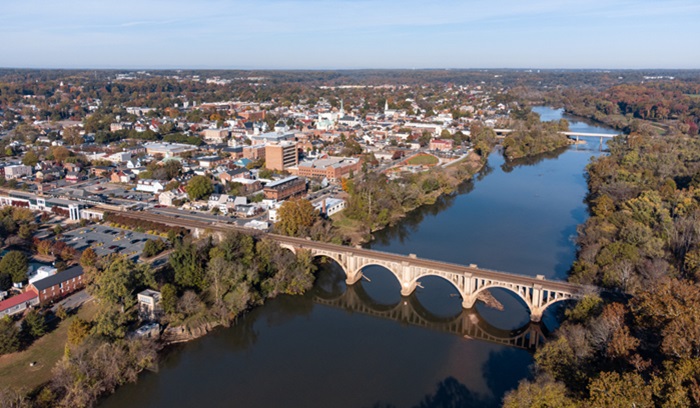
A Aerial Photo Of Fredericksburg Va on a clear fall day

Rappahannock Tribe first in U.S. to enshrine rights of nature into constitution

The Rappahannock Tribe in Virginia has become the first tribal nation in the U.S. to adopt a tribal constitution that grants legal rights to a river, specifically protecting the Rappahannock River’s rights to exist, flourish, and maintain clean water. The provisions allows legal cases on behalf of the river itself, with a tribal court system planned for 2025 to enforce these rights. The Rappahannock’s actions are part of a rights-of-nature movement that includes Ecuador’s constitutional recognition of these rights in 2008 and New Zealand granting legal personhood to the Whanganui River in 2017.

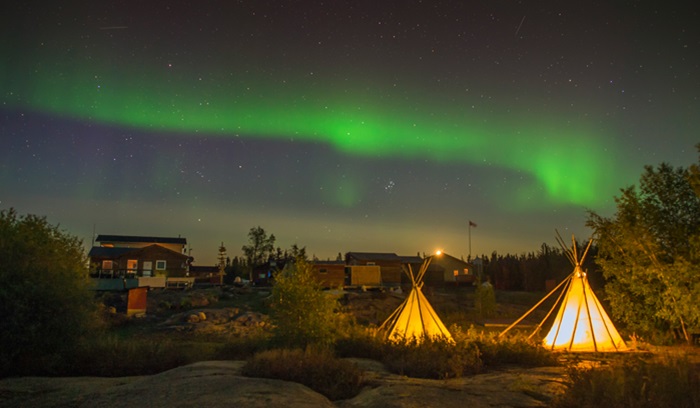
Teepees under the northern lights

Indigenous governments in the Canada’s Northwest Territories sign $375M deal to protect their land

Canada’s federal government contributed $300 million to the initiative, while private donors contributed $75 million. Funds are expected to be received starting in mid-2025 and flow for 10 years after that. The funds can be used to establish new protected and conservation areas as identified by Indigenous governments and to support guardian and stewardship programs. The money can also be used for things like eco-tourism and traditional economic activities, climate research, and on-the-land language and culture programs . It’s one of the largest Indigenous-led conservation efforts in the world, according to a news release.

Biden delivers “long overdue” formal apology in Arizona for Indian boarding school atrocities

President Biden has issued a formal presidential apology to Native American communities for the atrocities committed against Indigenous children and their families during a 150-year era of forced federal Indian boarding schools. “After 150 years, the United States government eventually stopped the program,” the president said. “But the federal government has never, never formally apologized for what happened — until today. I formally apologize, as president of the United States of America, for what we did.”

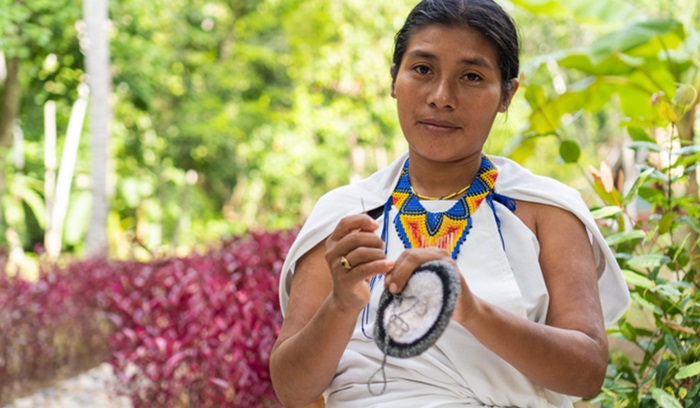
Colombian woman in traditional clothing weaving looking at the camera

Colombia’s new decree recognizes Indigenous people as environmental authorities

Indigenous peoples in Colombia have been granted the authority to protect, manage, and conserve biodiversity within their territories according to their knowledge. Colombian President Gustavo Petro has issued a decree that lays out the standards required for Indigenous authorities to issue regulations regarding the protection, preservation, use, and management of natural resources in their territories and effective coordination with state authorities. These powers will be exercised according to their self-government structures.

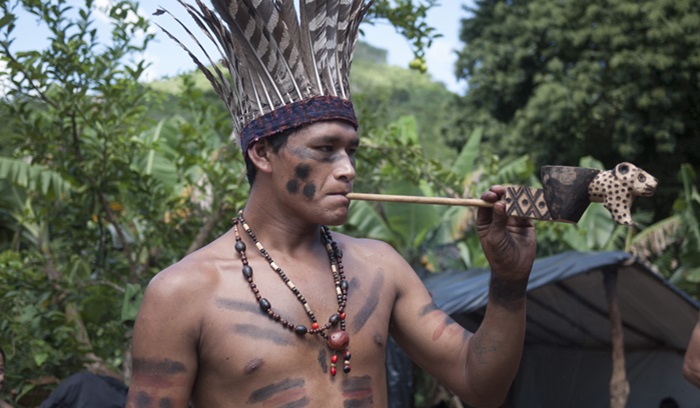
Brazilian Indian Kaingang

Brazil elects record-high number of Indigenous mayors, vice mayors, and councilors

More than 250 Indigenous people were elected mayors, vice mayors, and city councilors this October, the highest in the country’s history and an 8% increase compared to the 2020 ballot. Increasing representation of Indigenous people elected in municipal ballots is a key move to ensure the fulfillment of Indigenous rights and conservation efforts and should pave the way to increase the number of Indigenous people elected in the 2026 state and federal ballots, advocates and activists say.