
Massachusetts adopts universal free school meals
All public school students grades K-12 will be entitled to free lunches regardless of their financial status. It’s estimated to save families about $1,200 a year per student.
This archive covers meaningful advances in food systems, nutrition research, sustainable agriculture, and equitable food access. From regenerative farming to breakthroughs in reducing hunger, these good news stories document what’s actually working — and who’s making it happen. Good food news, grounded in evidence.
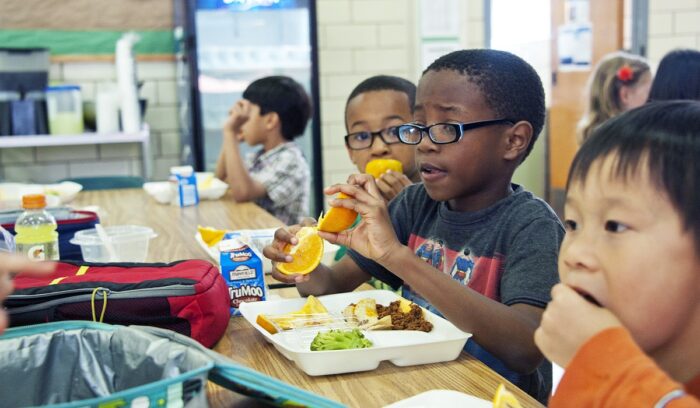
All public school students grades K-12 will be entitled to free lunches regardless of their financial status. It’s estimated to save families about $1,200 a year per student.

Under the new scheme, 250,000 children living in the country’s capital Nairobi will receive a hot meal every day.
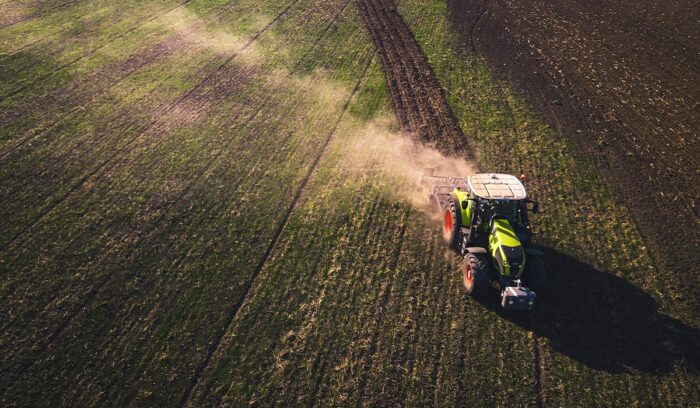
Colorado farmers will be able to legally fix their own equipment next year, with manufacturers including Deere & Co obliged to provide them with manuals for diagnostic software and other aids.
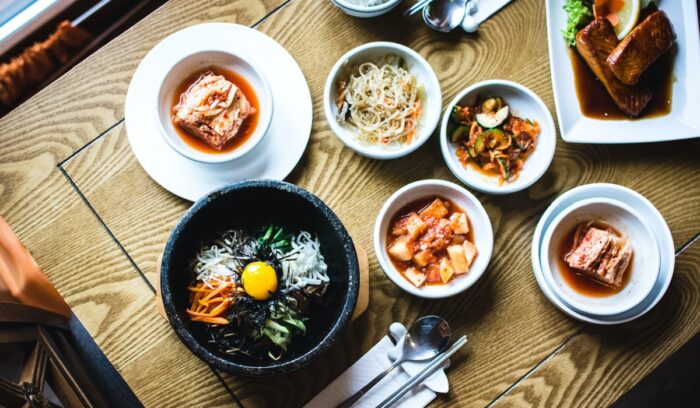
In 1996, South Korea recycled less than 3% of its food waste. Today, it has East Asian nation has achieved a near 100% food waste recycling rate after implementing a country-wide mandatory composting scheme in 2013.
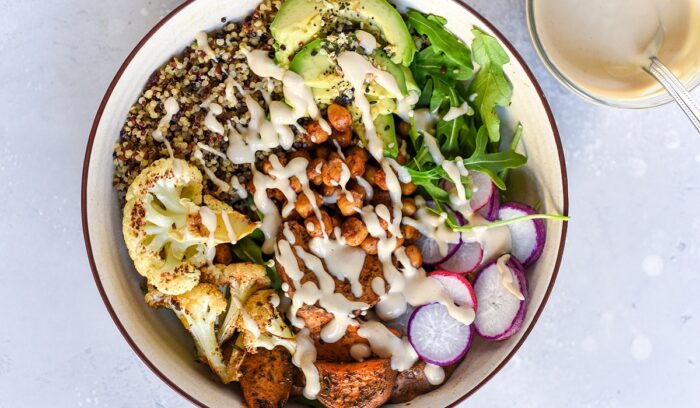
A French research company interviewed more than 4,000 adults across France, Germany, Italy, and Spain. More than 50% reported having reduced their meat consumption in the last five years largely for environmental, animal welfare, and personal health reasons.

When classrooms in California reopen for the fall term, all 6.2 million public school students will have the option to eat school meals for free, regardless of their family’s income.

Created in 2020, the Detroit Black Farmer Land Fund aims to address the historical racial land ownership disparity that has affected Black farmers across the country.

In October 2020, Ovolo Hotels announced its “Year of the Veg” campaign. All the hotel restaurants went vegetarian for a whole year. Now Ovolo is the first hotel chain to go all veg.

The Future Seeds facility will not only safeguard tropical crop biodiversity, but also serve as a living laboratory for some of the world’s most advanced agricultural technologies.

A new kind of milk will soon hit US shelves, but it isn’t some plant-based product designed to resemble dairy milk. Instead, it is made from whey proteins produced by microflora engineered.