
Architecture & design

This archive covers breakthroughs in architecture and design that improve how people live, work, and move through the world. From affordable housing innovations to public spaces that prioritize well-being, these stories highlight built-environment solutions making a measurable difference.

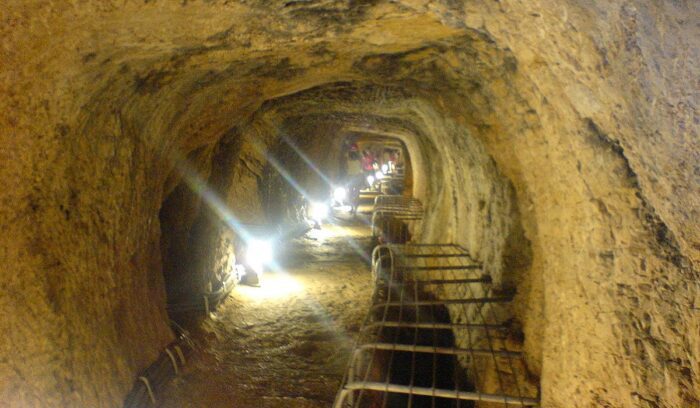
Tunnel of Eupalinos, for article on tunnel of Eupalinos

Greeks engineer a geometry-based tunnel through a mountain to carry water to Samos

It looks like your message got cut off — you mentioned wanting a WordPress excerpt, but the actual article content didn’t come through. All I can see is “Around 550 C.E. — no. Let me write the full article properly.”\n\nCould you paste the full article? Once I have it, I’ll write you a tight 40-60 word excerpt following the structure and tone you outlined.

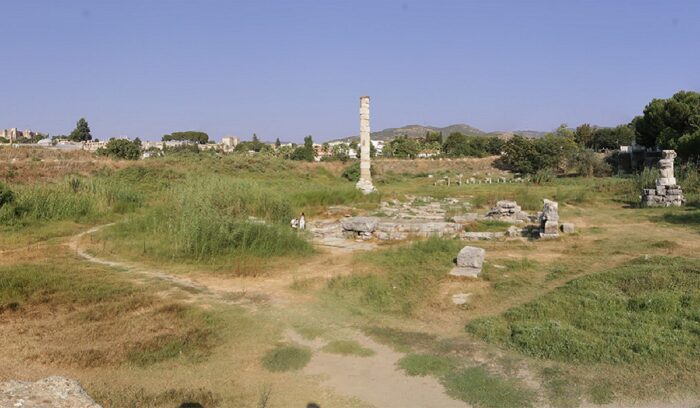
View of the site of the Temple of Artemis, for article on temple of artemis

The Temple of Artemis at Ephesus rises as one of the ancient world’s greatest buildings

The Temple of Artemis at Ephesus was completed around 550 B.C.E., rising from marshy Anatolian ground as one of the first monumental buildings made almost entirely of marble. Its architects stabilized the soft soil with charcoal and sheepskin, and its funding drew from Greek cities and the Lydian king Croesus alike — a wonder built at a cultural crossroads.

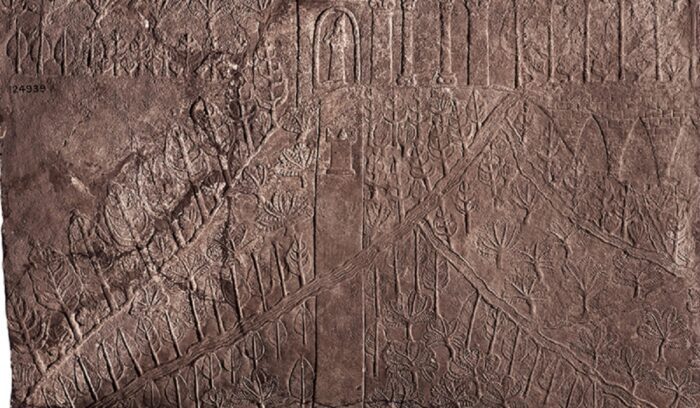
Assyrian relief of aqueduct, for article on Assyrian canal systems

Assyrian engineers build the world’s first sophisticated long-distance canal systems

Assyrian engineers in the 9th century B.C.E. pulled off something no civilization had managed at that scale: moving water reliably across long distances, even tunneling straight through hills to reach it. Their canals freed cities from the tyranny of geography, and the pattern they set would echo through Persian, Greek, and Roman hands for centuries.

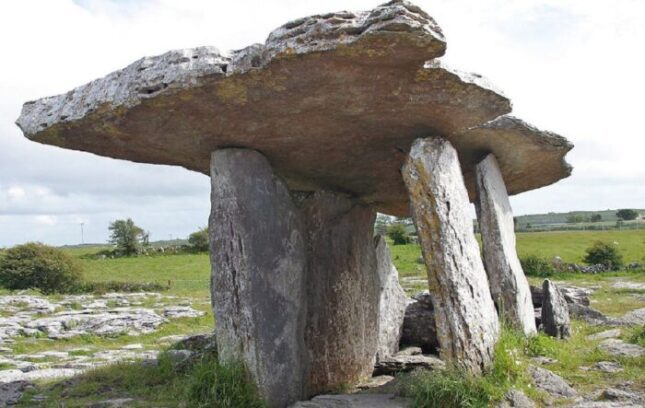
Poulnabrone dolmen is an example of a portal tomb in the west of Ireland, for article on Irish megalithic tombs

Ireland’s early farmers raise over a thousand megalithic tombs

Ireland’s megalithic tombs, built around 3500 B.C.E., reveal a remarkable feat of Neolithic engineering. Farming communities raised over 1,000 monuments across the island, including Newgrange in the Boyne Valley, whose passage aligns so precisely that winter solstice sunlight still reaches the inner chamber each December. They built for the dead on a scale meant to speak across millennia.

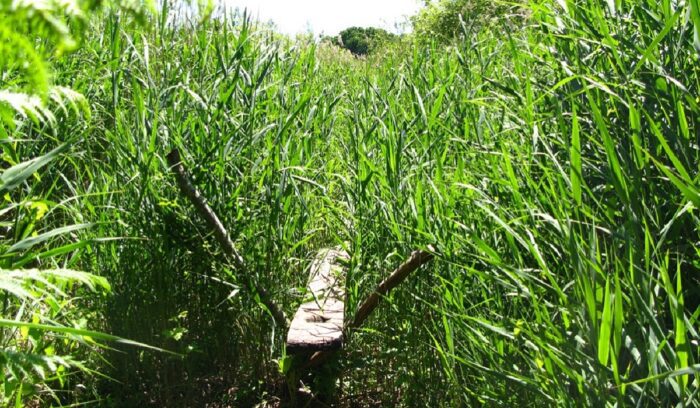
image for article on Sweet Track

England’s Sweet Track and Post Track causeways rise from the Somerset wetlands

The Sweet Track, a mile-long wooden walkway across the marshes of what’s now Somerset, England, went up in roughly a single day around 3807 B.C.E. Neolithic farmers, working only with stone and flint, felled oak, ash, and lime with techniques matched to each tree. It’s among the earliest known examples of humans engineering a landscape to move through it.