Climate crisis

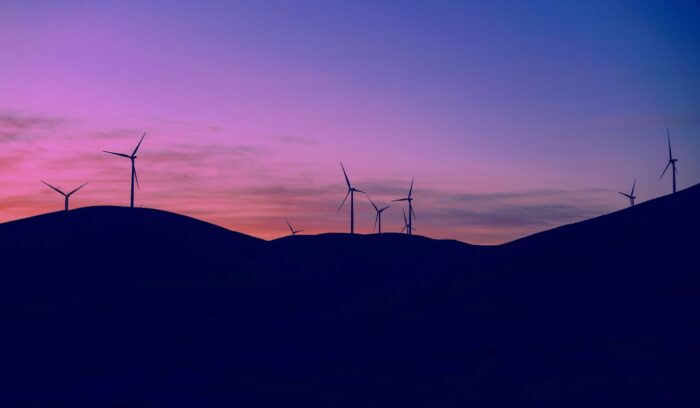
Offshore wind turbines in the North Sea at dusk for an article about wind power in the U.K.

Wind power beats fossil fuels as the U.K.’s top electricity source for the first time

Wind power in the United Kingdom surpassed all fossil fuels combined for the first time in 2024, marking a genuine turning point in the country’s energy history. Across the first quarter of the year, onshore and offshore turbines supplied more electricity than natural gas, coal, and oil combined. This matters because the U.K. was the birthplace of the Industrial Revolution and once ran almost entirely on coal, which now contributes less than 1% of its electricity. The milestone shows that a large, modern economy can restructure its power system around renewables rather than simply supplement fossil fuels with them.
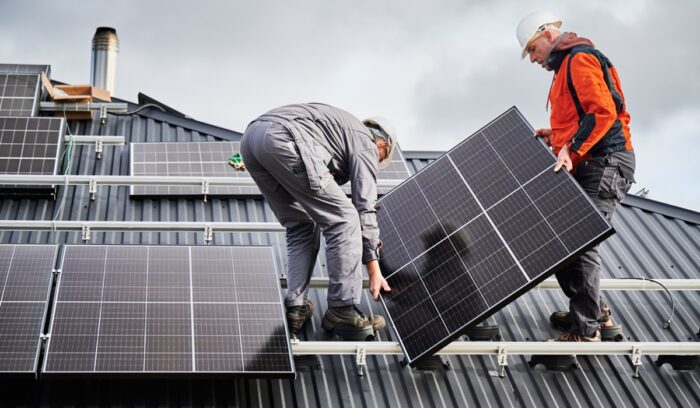

Technicians carrying photovoltaic solar module while installing solar panel system on roof of house

U.S. President Joe Biden announces $7 billion in federal solar power grants

President Biden marked Earth Day by announcing $7 billion in federal grants for residential solar projects serving 900,000-plus households in low- and middle-income communities. The projects are expected to eventually reduce emissions by the equivalent of 30 million metric tons of carbon dioxide and save households $350 million annually, according to senior administration officials.

A Polar bear surrounded by arctic wilderness

Biden limits oil drilling across 13 million acres of Alaskan Arctic

Future oil and gas drilling will be limited across more than 13 million acres of the National Petroleum Reserve-Alaska, the nation’s largest expanse of public land, under a sweeping Biden administration plan aimed at protecting sensitive ecosystems and wildlife. In a separate move, the Department of the Interior has announced that it will block a controversial road crucial to operating a planned copper and zinc mine in northern Alaska, saying it would threaten Indigenous communities and fragment wildlife habitat.

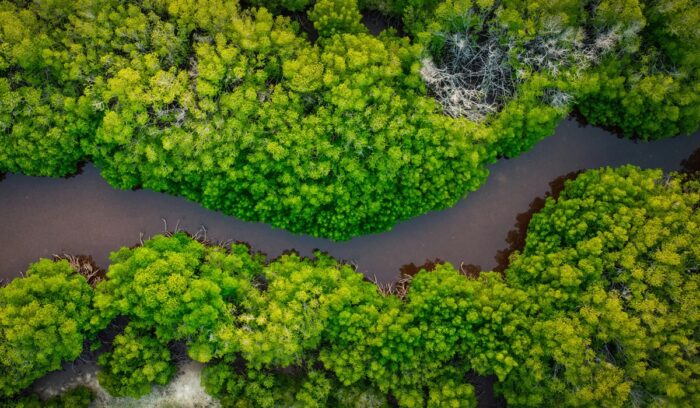
Aerial view of river and mangroves

Brazil boosts protection of Amazon mangroves with new reserves in Pará state

Brazil’s Pará state has now protected almost all of its Amazonian coastline after establishing two new conservation units that make up the world’s largest and most conserved belt of mangroves. The environmental victory came after President Luiz Inácio Lula da Silva signed the decree for the two reserves on March 21, placing an additional 184,600 acres of mangrove ecosystems under federal protection.

Solar panels installed on rooftops in an African village for an article about Africa solar imports

Japan “fossil fuel dinosaur” launches massive 20GW global renewables platform

Jera, Japan’s largest power company and one of the largest thermal power producers in the world, has announced the launch of a major new global renewables business, becoming the latest fossil giant to act on the existential threat of net zero to its business model. Based out of the U.K., the new company – called Jera Nex – will be tasked with delivering on Jera’s stated ambition to develop a massive 20GW of renewable capacity by 2035, enough to power millions of homes.

Indian flag

India approves massive $9 billion rooftop solar plan

A massive subsidy program to help Indian households install rooftop solar panels in their homes and apartments aims to provide 30 gigawatt hours of solar power to the nation’s inventory. The scheme, called PM-Surya Ghar, will provide free electricity to 10 million homes according to estimates, and the designing of a national portal will streamline the process of installation and payment.

"One World" sign

A group of older Swiss women win first-ever climate case victory in the European Court of Human Rights

The women, mostly in their 70s, said that their age and gender made them particularly vulnerable to the effects of heatwaves linked to climate change. The court said Switzerland’s efforts to meet its emission reduction targets had been woefully inadequate. The ruling is binding and can trickle down to influence the law in 46 countries in Europe.

Texas flag

Solar generates more power than coal in Texas for first time ever

Solar generation in Texas was 3.26 terawatt hours (TWh) in the month of March, beating the 2.96 TWh sent out by coal-fired generators. It’s the first time solar has beaten coal over a whole month in Texas, the largest user of coal for power generation of any state in the U.S. The share of coal generation in Texas is now declining rapidly, from 40% more than a decade ago and 30% in 2017 to 13.9% in 2023.

Power plant polluting

Germany shuts down seven brown coal power stations at end of winter

Seven coal-fired power stations in Germany were shut down over Easter as the need for the power declined, power generators RWE and LEAG say. Five had been taken out of the reserve by the German government to cope with a shortfall in gas supplies through the winter, and a further two had been allowed to continue operating after their scheduled shutdown date, the companies said.

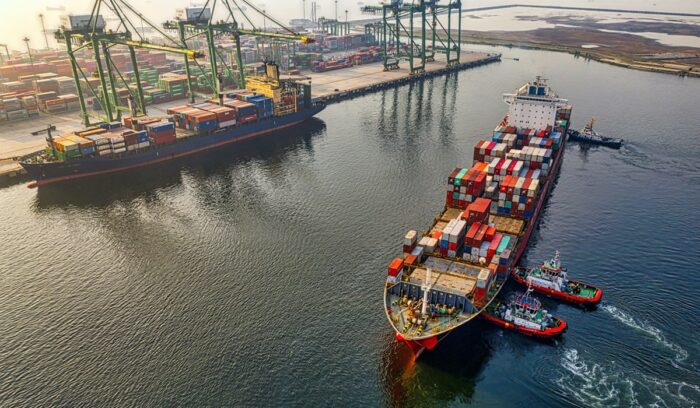
Cargo ship in harbor

A majority of nations agrees to global tax on shipping emissions for first-time ever

Two weeks of talks at the U.N.’s International Maritime Organization have concluded in London, with a clear majority of countries emerging in favor of a historic, first-ever global emissions levy. The shipping sector, which accounts for 3% of global emissions and transports more than 90% of global trade, is regarded as one of the hardest industries to decarbonize, partly owing to the vast amounts of dirty fossil fuels the ships burn each year.