Climate crisis

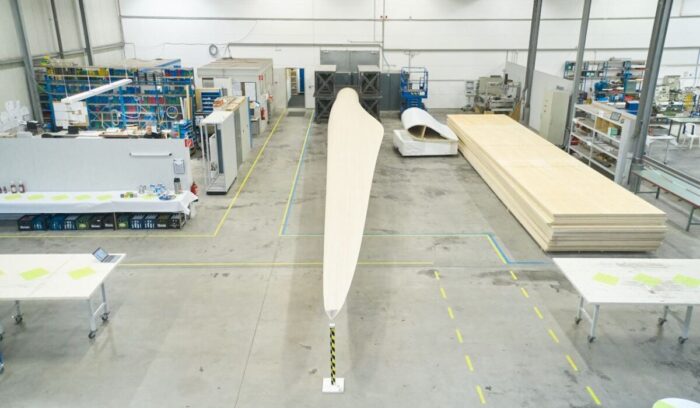
Wooden wind turbine

World’s first wooden wind turbine blades installed in Germany

Wooden wind turbines promise to significantly reduce CO2 emissions during construction and production costs compared to current turbine blades. Designed and manufactured by Voodin Blade Technology, a German pioneer in wind turbine blade manufacturing, the laminated veneer lumber blades are a more sustainable construction material than current materials and allow for easier recycling of decommissioned blades.
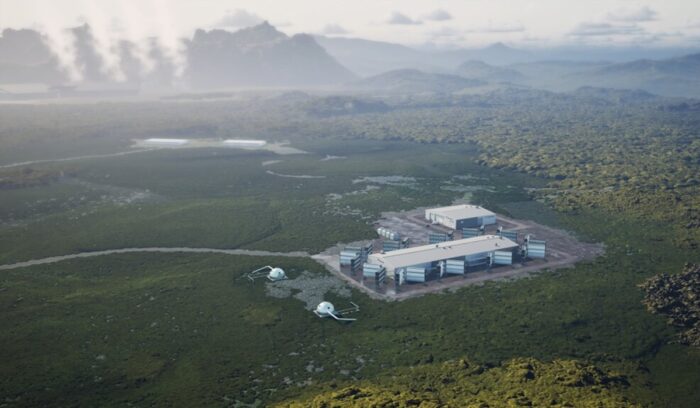
ClimeWorks Mammoth carbon removal plant

The world’s biggest carbon removal factory opens in Iceland

In 2021, the world’s first large-scale carbon removal plant started sucking CO2 from the air in a remote corner of Iceland. Now Climeworks, the company behind it, has opened a version that’s ten times larger. The new plant, called Mammoth, has installed 12 modular containers so far. By the end of the year, it will have 72, with the capacity to capture around 36,000 tons of CO2 per year.

Coal pollution

G7 agree to close all coal-fired generating stations by 2035

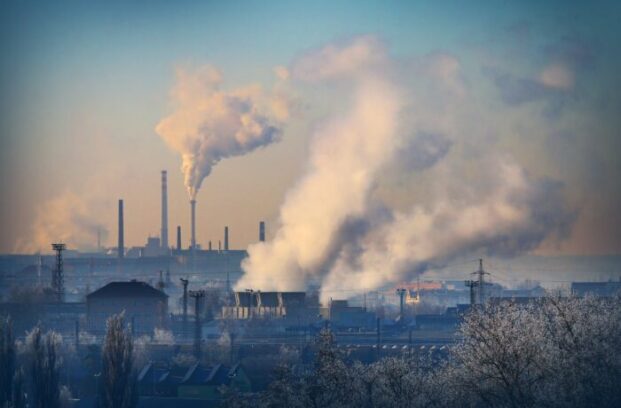
Energy ministers from the G7 countries — Canada, France, Germany, Italy, Japan, the United Kingdom, the United States, and the European Union — agreed at a meeting in Turin, Italy, to close all coal-fired generating stations in their countries by 2035 if not sooner. Putting an end date on coal — the most polluting of all fossil fuels — has been highly controversial at international climate talks. Until this point, Japan, which derived 32% of its electricity from coal in 2023 according to the climate advocate Ember, has blocked progress on the issue at past G7 meetings.

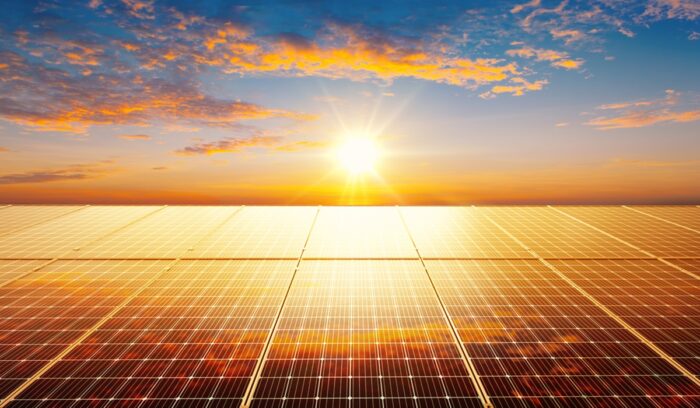
Aerial view of large solar farm

Solar is now perhaps being installed faster than any technology in history

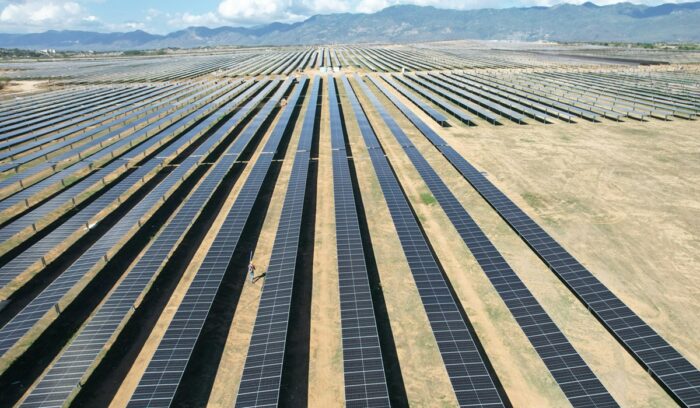
Cumulative global installed solar capacity in 2023 passed 1.4 terawatts (TW), which is tenfold larger than ten years ago and doubling every 3 years. At current growth rates (20% per annum), solar will pass fossil gas in 2024 and coal in 2025. Current growth rates also suggest that solar will approach 9 TW in 2031, when there will be more solar generation capacity than everything else combined.

Offshore wind turbines

Denmark plans massive 10GW offshore wind tender to insure against “Putin’s black gas”

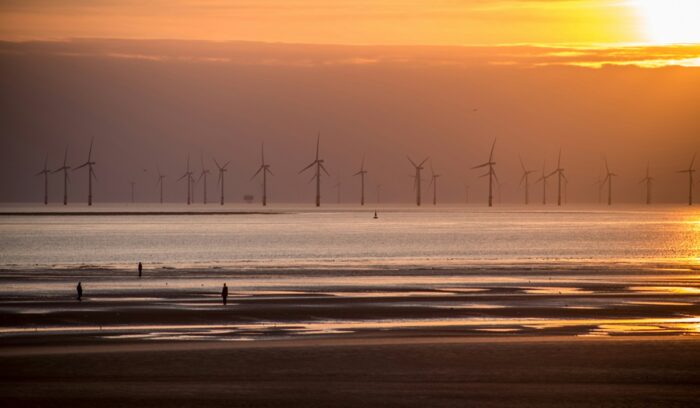
The Danish Energy Agency announced this week plans for the largest offshore wind tender in the country’s history, which could see anywhere from 6GW to 10GW awarded from six new sites. Denmark is currently operating total offshore wind capacity of 2.7GW, with the 1GW Thor Offshore Wind Farm to be completed in 2027. A further 3GW is expected to be built on the Bornholm energy island being developed between the Danish Energy Agency and Danish TSO Energinet.

Acacia tree branch

Democratic Republic of the Congo plants more than 800 million trees between 2019 and 2023

Ten percent of the world’s tropical forests are found in the Democratic Republic of the Congo (DRC). But the U.N.’s Food and Agriculture Organization estimates the DRC is losing 1.2 million acres of forest every year. To help address this, a Congolese government program aspired to plant 1 billion trees between 2019 and 2023, aiming to strengthen climate resilience, alleviate poverty and protect biodiversity, and achieved 90% of their goal.

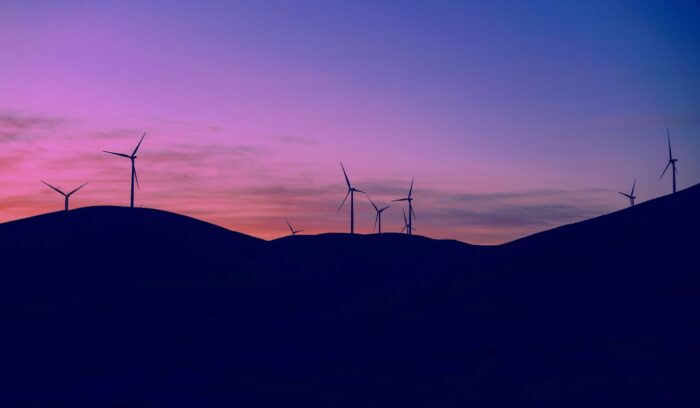
Wind turbines amid clouds

Seven countries now generate 100% of their electricity from renewable energy

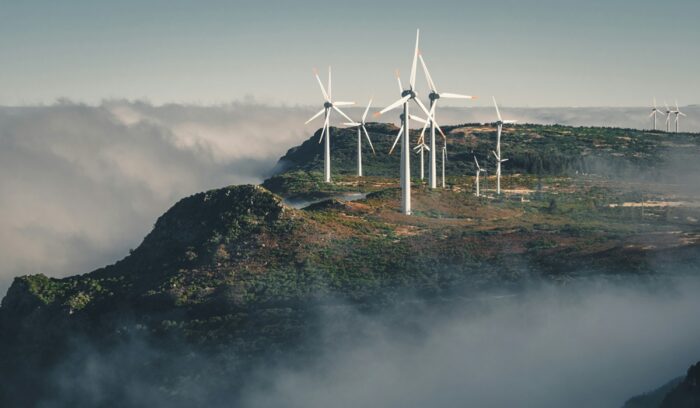
Albania, Bhutan, Nepal, Paraguay, Iceland, Ethiopia and the Democratic Republic of Congo produced more than 99.7% of the electricity they consumed using geothermal, hydro, solar or wind power. Data from the International Energy Agency (IEA) and International Renewable Energy Agency (IRENA) also revealed that a further 40 countries generated at least 50% of the electricity they consumed from renewable energy technologies in 2021 and 2022.

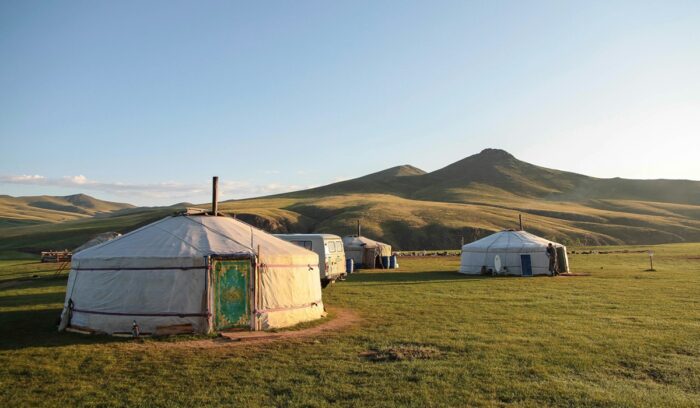
Mongolian yurts

Mongolia signs landmark climate finance deal for its grasslands

Mongolia’s government and a coalition of partners have signed a nature finance agreement aimed at protecting 35.6 million acres of the country’s lands and waters, including the world’s last great tract of temperate grassland. The agreement dubbed “Eternal Mongolia” will see a global donor-supported transition fund worth $71 million combined with a government commitment to spend $127 million on conservation over a 15-year period.

Offshore wind turbines in the North Sea at dusk for an article about wind power in the U.K.

Wind power beats fossil fuels as the U.K.’s top electricity source for the first time

Wind power in the United Kingdom surpassed all fossil fuels combined for the first time in 2024, marking a genuine turning point in the country’s energy history. Across the first quarter of the year, onshore and offshore turbines supplied more electricity than natural gas, coal, and oil combined. This matters because the U.K. was the birthplace of the Industrial Revolution and once ran almost entirely on coal, which now contributes less than 1% of its electricity. The milestone shows that a large, modern economy can restructure its power system around renewables rather than simply supplement fossil fuels with them.