
Renewables accounted for 90% of Europe’s new power last year
In 2016, 21.1 GW of the 24.5 GW of new energy sources added to Europe’s electrical grids were from renewable sources such as solar, wind, hydro, and biomass.

In 2016, 21.1 GW of the 24.5 GW of new energy sources added to Europe’s electrical grids were from renewable sources such as solar, wind, hydro, and biomass.
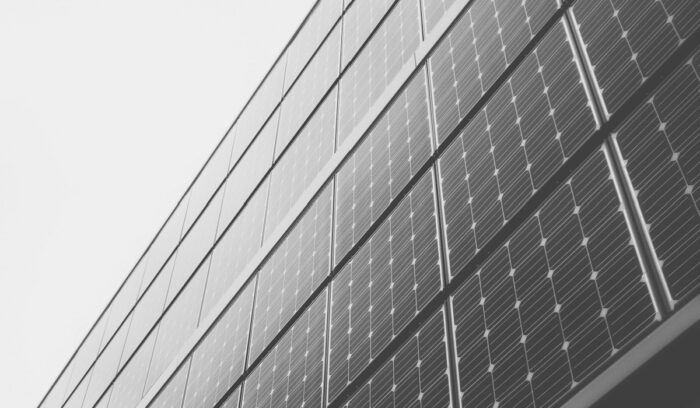
As solar power keeps getting cheaperand more and more of it is built as a resultthe industry is also an increasingly important source of new jobs, adding workers at a rate nearly 17 times faster than the overall economy.
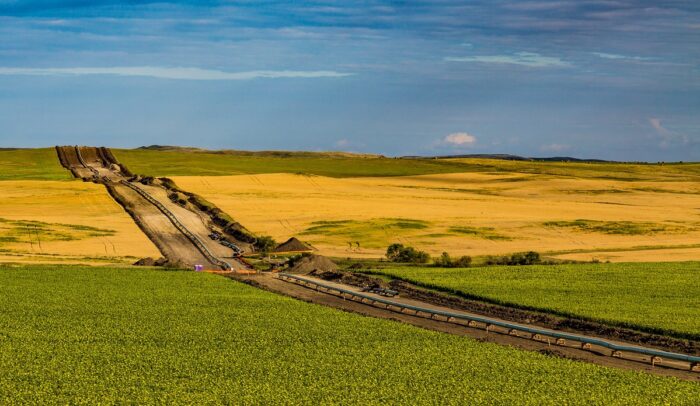
The Navajo Nation is making moves to join a growing number of tribes that have already respectfully, but conclusively, shown Wells Fargo the door.

“The National Capital Territory of Delhi shall take appropriate steps against storage, sale, and use of such plastic material at the above-mentioned places and it shall stand prohibited with effect from January 1, 2017,”

Fossil fuel divestment crossed a remarkable threshold in late 2016, when committed funds reached $5.2 trillion — double the total from just 14 months earlier. What began with student activists pressing universities had pulled in pension managers, insurance giants, and Norway’s sovereign wealth fund. It was the moment climate pressure started speaking fluently in the language of balance sheets.

Breakthrough Energy Ventures launched in December 2016, when Bill Gates and nearly two dozen investors — including Jeff Bezos, Jack Ma, and Vinod Khosla — committed up to $1 billion to clean energy startups. Its unusual 20-year horizon signaled patience for technologies that don’t fit standard venture timelines, a quiet bet on the slow work of energy transformation.
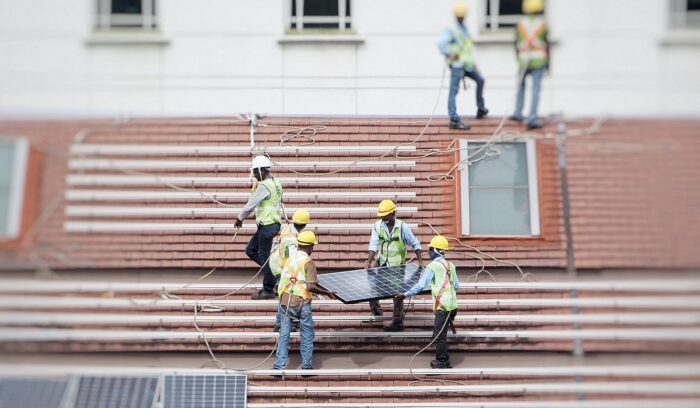
Florida solar got a boost on Election Day 2016, when roughly 73% of voters approved Amendment 4, exempting home solar equipment from property tax assessments. The measure drew a rare bipartisan coalition and passed alongside the defeat of a utility-backed counter-measure. In the years that followed, Florida climbed from near the bottom of U.S. solar rankings toward the top.
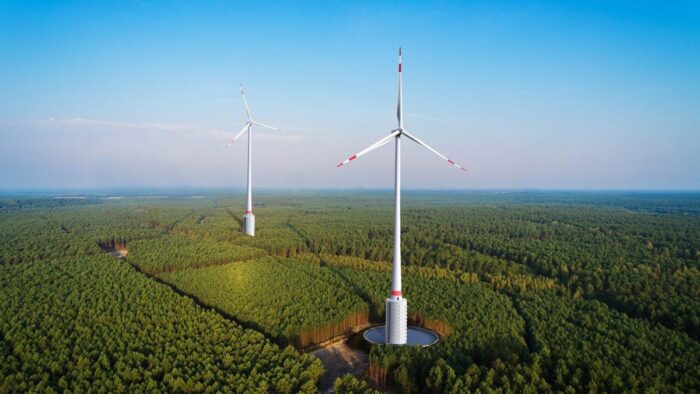
Wind blows. Water falls. But for the first time, one is now powering the other. Engineers in Germany are storing water for hydroelectricity inside wind turbines allowing the towers act like massive batteries once the wind stops blowing.
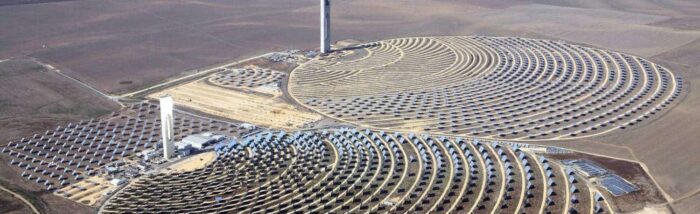
Concentrated solar power is getting its biggest test yet in Dubai, where an 800-megawatt facility is rising inside the Mohammed bin Rashid Al Maktoum Solar Park. Using mirrors and molten salt, it can keep generating electricity after sunset — a quiet but remarkable pivot for a city built on oil wealth.
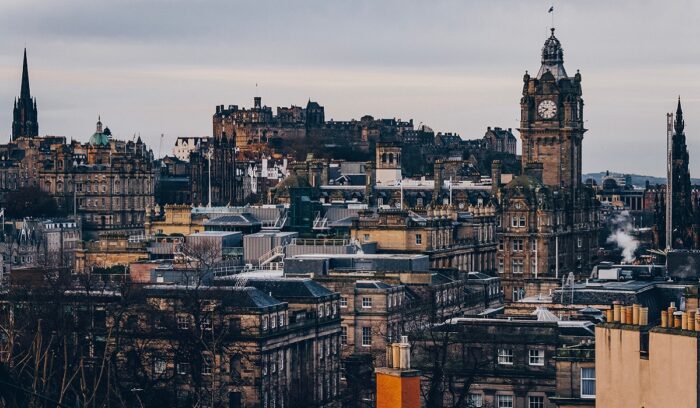
Scotland’s 2016 clean energy pledge set one of the boldest targets any government had named: the equivalent of 100% of the country’s electricity from renewables by 2020. Already at roughly 59% that year, mostly from wind, the country turned a distant-sounding goal into a near-term plan — and shifted what other governments believed was possible.