
Russian government approves bill on minimum wage hike
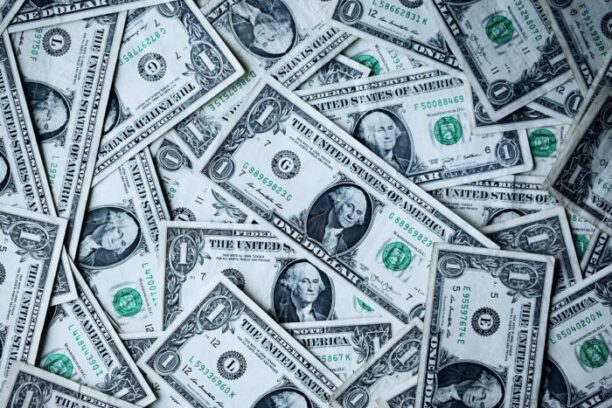
The Russian government approved the draft law on increasing the minimum wage from January 1, 2018, setting it in the amount of 9,489 rubles ($164.2)
This archive tracks real progress on poverty alleviation — from policy wins and cash-transfer programs to community-led initiatives that are lifting incomes and expanding opportunity. Across 156 articles, you’ll find evidence that poverty is not intractable. These stories document what works, where it’s working, and who is making it happen.

The Russian government approved the draft law on increasing the minimum wage from January 1, 2018, setting it in the amount of 9,489 rubles ($164.2)

The U.S. median household income rose to a record last year and the poverty rate fell, as steady economic growth helped improve the lot of more Americans.

While the report shows that there have been increases in sending patterns to almost all regions of the world, the sharp rise over the past decade is in large part due to Asia which has witnessed an 87 per cent increase in remittances.

Citizens receiving a basic monthly income as part of a radical Finnish pilot scheme have seen a reduction in their stress levels, an official leading the trial has said.
Universal basic income got its first serious American test run in December 2016, when the Economic Security Project pledged $10 million over two years to fund U.S. pilots and research. More than 100 signatories joined in, from Sam Altman to Robert Reich. It marked the moment a long-running thought experiment finally met real money.

Basic income came to Ontario in 2016, when the province launched one of North America’s most ambitious poverty experiments. About 4,000 low-income residents in Hamilton, Thunder Bay, and Lindsay received monthly payments, and early results pointed to better mental health and food security. Cut short in 2018, the pilot still reshaped how the world debates a guaranteed income floor.

In September 2016, Guatemala was declared free of river blindness, ending a parasitic disease that had threatened sight and livelihoods in rural communities along fast-flowing rivers. The victory came after more than 20 years of twice-yearly Mectizan treatments reaching at least 85% of eligible people. It’s a reminder that patient, community-rooted public health work can undo old harms.

The Sustainable Development Goals were adopted on September 25, 2015, when 193 nations gathered at UN headquarters in New York and agreed to a shared 15-year plan spanning poverty, climate, and equality. More than 8 million people helped shape priorities through the MY World survey. It remains the broadest development framework humanity has ever attempted together.

Extreme poverty fell below 10% of the global population for the first time in 2015, according to World Bank projections. Roughly 200 million fewer people were living on less than $1.90 a day compared to just three years earlier. For most of human history, mass poverty was simply the default — and that was quietly starting to change.

The Swachh Bharat Mission launched on October 2, 2014, Gandhi’s 150th birthday, with one audacious goal: end open defecation across India within five years. The government subsidized roughly 90 million toilets, and by 2022 the share of Indians practicing open defecation had dropped from 73% in 2000 to about 11%. A quiet shift in everyday public health.