Racial justice

This archive collects 125 solutions-journalism stories covering measurable progress on racial justice — from policy reforms and landmark court rulings to community-led initiatives and shifts in institutional practice. These articles focus on what is working, who is making it happen, and how change takes root in real communities. Reading here means following the evidence, not just the aspiration.

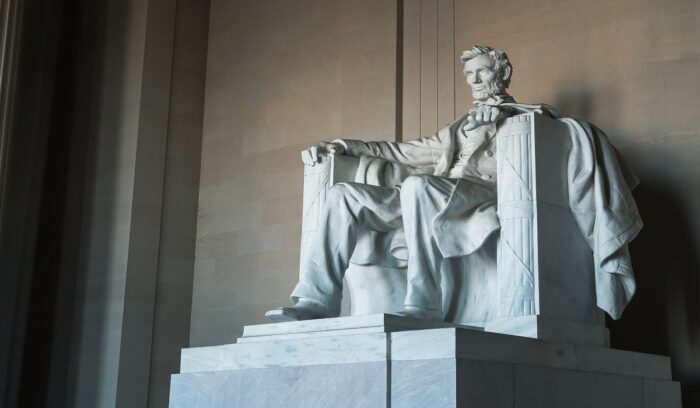
Lincoln Memorial, for article on emancipation proclamation

Lincoln issues Emancipation Proclamation, reshaping the Civil War’s purpose

The Emancipation Proclamation took effect on January 1, 1863, after Lincoln’s preliminary announcement the previous September declared enslaved people in rebelling Confederate states “forever free.” It freed no one immediately, but it redefined the Civil War as a fight against slavery and opened Union ranks to Black soldiers — nearly 200,000 enlisted before the war’s end.

image for article on Frederick Douglass memoir

Frederick Douglass publishes his memoir, galvanizing the U.S. abolition movement

Frederick Douglass’s memoir landed in American bookstores on May 1, 1845, just seven years after its author had escaped slavery. The slim volume sold 5,000 copies in four months and reached nearly 30,000 by 1860, carrying his precise, literary voice far beyond the abolitionist lecture circuit. It remains among the most widely read firsthand accounts of American slavery ever written.

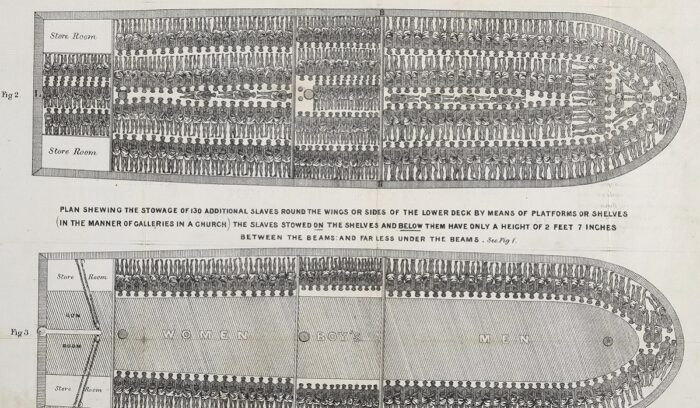
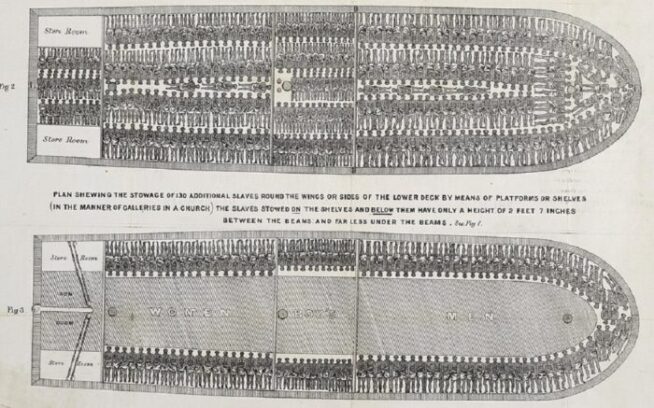
Stowage of a British slave ship, for article on Atlantic slave trade abolition

British Parliament bans the Atlantic slave trade after 20 years of campaigning

Britain’s Atlantic slave trade abolition became law on 25 March 1807, when King George III signed the Slave Trade Act after two decades of failed attempts. The final Commons vote was 283 to 16, the culmination of a campaign carried by Quakers, formerly enslaved writers like Olaudah Equiano, and petitioners across the country. It was the first time a major empire legislated against its most profitable trade on moral grounds.