Racial justice

This archive collects 125 solutions-journalism stories covering measurable progress on racial justice — from policy reforms and landmark court rulings to community-led initiatives and shifts in institutional practice. These articles focus on what is working, who is making it happen, and how change takes root in real communities. Reading here means following the evidence, not just the aspiration.

Flag of Oman, for article on Oman slavery abolition

Oman abolishes slavery in a landmark legal reform

Oman abolished slavery in 1970, one of the last countries in the world to do so. The decree came within weeks of Sultan Qaboos bin Said taking power, alongside sweeping reforms that brought schools and paved roads to a country that had few of either. It marked a quiet close to a long chapter.
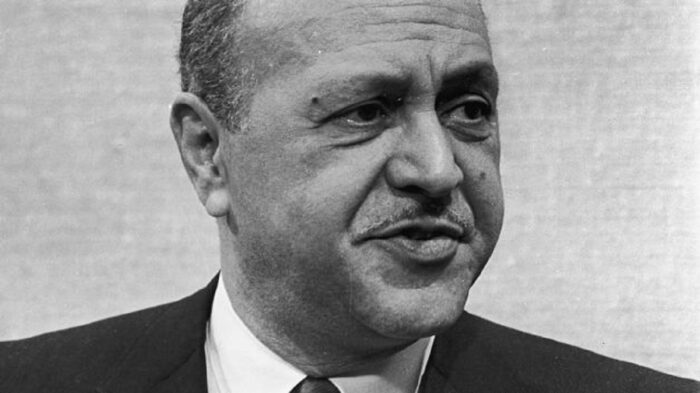
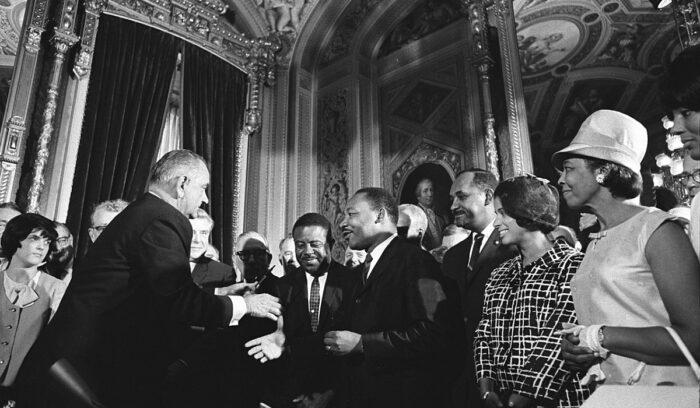
Robert C. Weaver, for article on first Black cabinet member

Robert C. Weaver becomes first Black U.S. cabinet member

Robert C. Weaver was confirmed by the U.S. Senate in January 1966, becoming the first African American to serve in a presidential cabinet. He led the brand-new Department of Housing and Urban Development, arriving with three Harvard degrees and more than 30 years inside federal housing work — a door opened after a long, patient career.

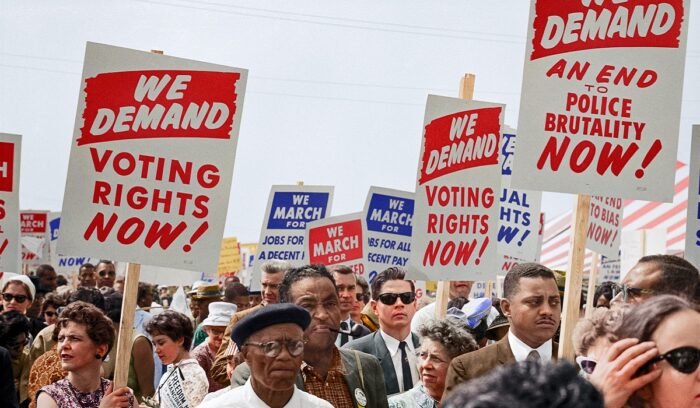
Marchers with signs at the March on Washington, for article on civil rights movement

U.S. Supreme Court ruling launches the civil rights movement

Brown v. Board of Education landed on May 17, 1954, when nine Supreme Court justices unanimously ruled that segregated public schools were unconstitutional. The decision overturned nearly 60 years of “separate but equal” precedent and helped ignite a movement that, over the next 14 years, would dismantle the legal scaffolding of Jim Crow.

image for article on NAACP founding

An interracial coalition founds the NAACP to advance Black civil rights in America

The NAACP was founded on February 12, 1909, Lincoln’s 100th birthday, when more than 60 activists, journalists, and scholars gathered in New York after the Springfield race riot shook the nation. Black leaders like W.E.B. Du Bois and Ida B. Wells joined white allies in an interracial coalition, building a legal and organizing model that would shape civil rights work for over a century.

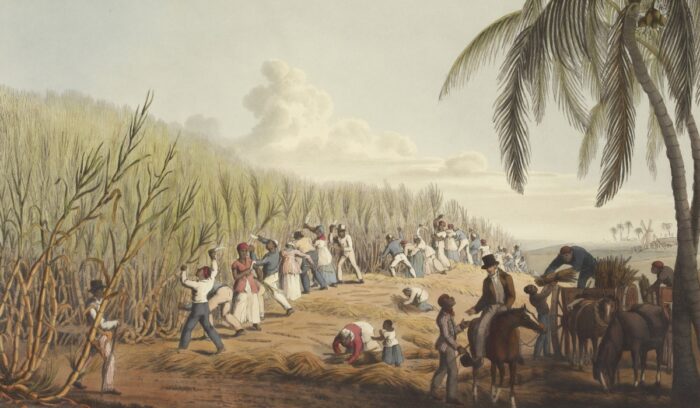
Illustration of slaves working the fields|Cornell University, for article on emancipation proclamation

Lincoln issues the Emancipation Proclamation, freeing enslaved people in rebel states

The Emancipation Proclamation took effect on January 1, 1863, when President Lincoln declared enslaved people in rebelling Confederate states legally free. Between 25,000 and 75,000 were liberated immediately in Union-held areas, with millions more as federal forces advanced. It reframed the Civil War as a fight against slavery and opened the path to the 13th Amendment.