Climate crisis

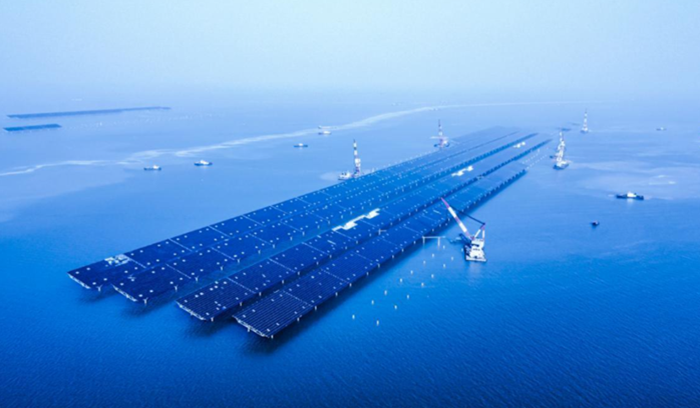
Dongying floating solar farm

China activates world’s largest offshore floating solar installation

China’s state-owned CHN Energy has begun generating electricity at a 1 gigawatt offshore floating solar park, 5 miles off the coast of the city of Dongying in Shandong province. The park can generate 1.78 billion kilowatt-hours of power each year — enough to meet the energy needs of 2.6 million city dwellers. The offshore floating solar installation consists of 2,934 PV platforms installed using large-scale steel truss platforms affixed to foundations made of pilings.

Cattle

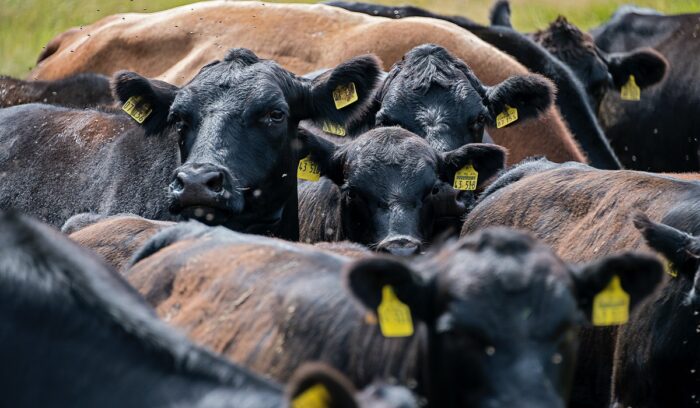
Brazil to adopt full beef traceability by 2032

Brazil will soon begin tracing individual cattle from birth to slaughter, aiming to make the sector 100% traceable by 2032, Agriculture and Livestock Minister Carlos Fávaro has indicated. The announcement comes amid growing international demand for transparency, especially as the EUDR, a new European Union regulation requiring proof that certain imported commodities aren’t adding to recent deforestation, is set to come into force at the end of 2025. Fávaro stated that a tracing platform would be working by 2027.

Teepees under the northern lights

Indigenous governments in the Canada’s Northwest Territories sign $375M deal to protect their land

Canada’s federal government contributed $300 million to the initiative, while private donors contributed $75 million. Funds are expected to be received starting in mid-2025 and flow for 10 years after that. The funds can be used to establish new protected and conservation areas as identified by Indigenous governments and to support guardian and stewardship programs. The money can also be used for things like eco-tourism and traditional economic activities, climate research, and on-the-land language and culture programs . It’s one of the largest Indigenous-led conservation efforts in the world, according to a news release.

Brazil renews plan to restore 30 million acres of degraded land

Brazil recently announced a plan to restore an area of degraded land about half the size of the U.K. by 2030, in a bid to combat climate change and biodiversity loss. The Planaveg 2.0 initiative, launched at the U.N. biodiversity summit, COP16, in Colombia on Oct. 28, aims to restore 30 million acres, about half of Brazil’s degraded land area. Home to 15-18% of the world’s known species, Brazil is the most biodiverse nation on Earth, making it a key player in global ecosystem restoration.

Coal pollution

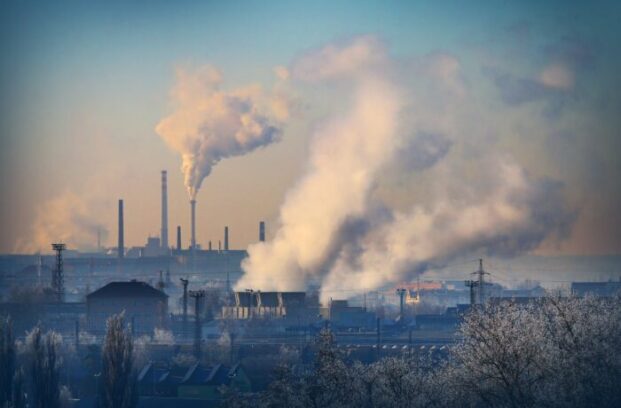
German coal use plunges nearly 40% in 2024

In the first nine months of 2024, the consumption of hard coal in power plants to generate electricity fell by 39% compared to the same period the previous year. This was a result of an overall decrease in electricity generation, an increase in electricity production from renewables, and increased electricity purchasing from neighboring countries. Overall energy use also continued to fall and is set to reach a new annual record low since Germany’s reunification in 1990.

Cattle

Brazil fines meat ranchers and packers $64 million for raising and purchasing cattle from deforested Amazon

IBAMA, Brazil’s environmental protection agency, has fined meat packers and cattle ranchers — including the largest on the planet, JBS — $64 million for buying or raising cattle on illegally deforested land in the Amazon rainforest. The agency said 69 properties had been identified that had sold a total of 18,000 cattle who had been raised on deforested land. They also found 23 meat packing companies that had bought the cattle in Amazonas and Para states. Cattle ranching is the biggest driver of deforestation in Brazil’s Amazon rainforest.

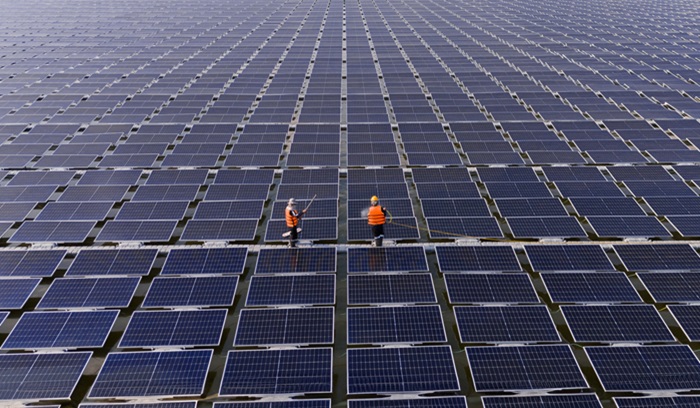
Professional workers clean and inspect solar panels on a floating buoy. Power plant with water

China adds unprecedented 160 GW of solar power in first 3 quarters of 2024

China has added a total of 160 GW of solar power so far this year. Putting that total into some context, China hit a total, country-wide solar power capacity of 770 GW in August. After years of installing more solar power than any other nation, the first 9 months of this year accounted for roughly 20% of China’s total solar installations and roughly 10% of humanity’s total solar installations, a truly astounding and record-breaking amount. China yet again has proven itself as the undisputed global leader in renewable energy.

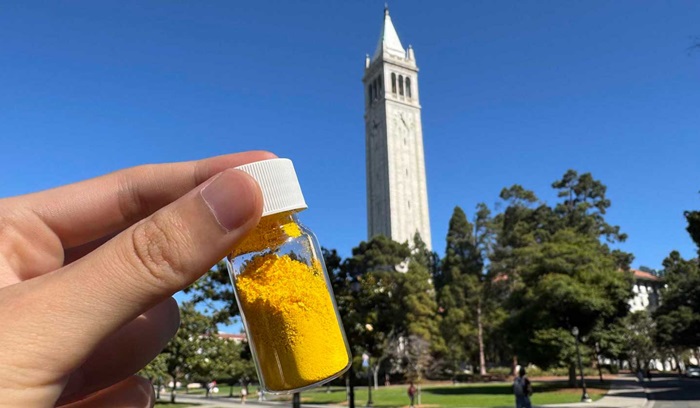
Holding turmeric-like substance in front of Berkeley's Campanile

U.C. Berkeley researchers use turmeric-like powder to ‘clean the air entirely’ of carbon dioxide

New research from U.C. Berkeley, published in Nature, points to a new material – a bright yellow powder that resembles turmeric – that could help rid the air all around us of CO2. The scientists say that just 200 grams of the material can absorb up to 20 kilograms of carbon in a year – which is approximately the same absorption potential as a tree. The substance could be easily integrated into carbon capture systems already deployed to remove CO2 from refinery emissions or to capture atmospheric carbon and store it underground.

Consumers embrace Ireland’s first bottle deposit return scheme

After initial consumer confusion and irritation, Ireland’s first-ever deposit return scheme for plastic bottles and cans has finally been embraced by the public, with 111 million containers returned in August – up from 2 million in February when the scheme launched. In the eight months since its launch, 630 million containers have been deposited at reverse vending machines up and down the country.

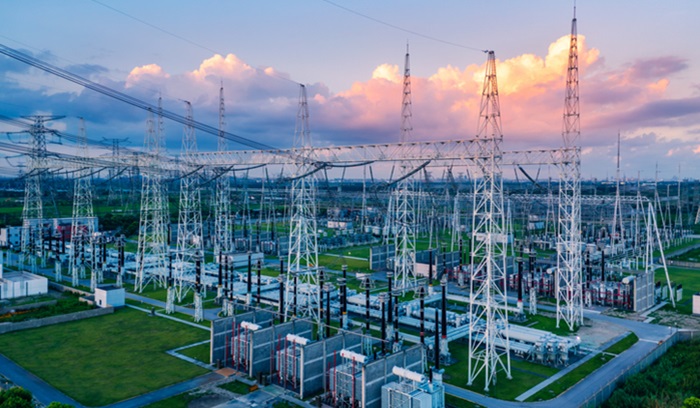
Aerial view of a high voltage substation.

India unveils whopping $109 billion transmission plan for renewable energy

Transmission constraints have emerged as a key obstacle for the growth of renewable energy the world over, with a spurt in demand causing delayed deliveries and surging prices of grid equipment. Now, India’s power ministry has unveiled a plan to revamp its power grid to accommodate a large renewable expansion through 2032. The project, estimated to cost 9.15 trillion rupees ($109 billion), will help integrate 500 gigawatts of renewable power by the end of the decade, a more than two-fold increase from now.