
U.K. Government invests £100 million in renewable energy projects in Africa
The projects funded by the new investment could help cut carbon emissions equivalent to those created by 800,000 cars a year.
This archive collects more than 1,500 solutions-journalism stories tracking real progress on the climate crisis — from renewable energy records and emissions reductions to policy wins and community-led adaptation. The focus is on what’s working, who’s making it happen, and what the evidence shows about the path forward.

The projects funded by the new investment could help cut carbon emissions equivalent to those created by 800,000 cars a year.

Greenpeace, which has long pressured the palm oil giant to monitor its suppliers across all of their operations, hailed the move as a “potential breakthrough.”

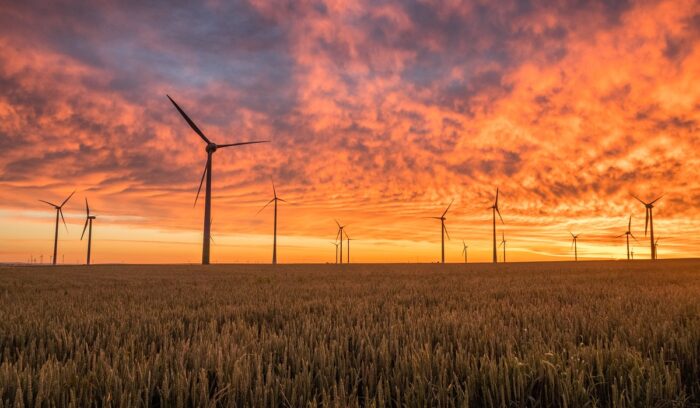
More than 680 gigawatts (GW) of new wind power is expected to come online around the globe in the next decade, more than doubling current capacity, according to new research from Wood Mackenzie Power & Renewables.

Electricity from sugar cane now accounts for 14 percent of the island’s needs and, when combined with other renewable sources such as solar, wind and hydro, provides nearly a quarter of daily consumption.
The MDBs’ commitment goes beyond specific MDBs’ 2020 and 2030 climate finance targets, and builds on their ongoing contribution to climate finance, which amounted to US$35 billion in developing and emerging economies in 2017.

Free mass transit will be available across Luxembourg from the beginning of 2020 – making it the first country in the world to do so.

Volkswagen’s strategy chief, Michael Jost, told attendees at the Handelsblatt automotive summit conference on Tuesday that the company will launch its last generation of gas-powered cars in 2026.

Royal Dutch Shell caved in to growing investor pressure over climate change, setting out plans to introduce industry-leading carbon emissions targets linked to executive pay.
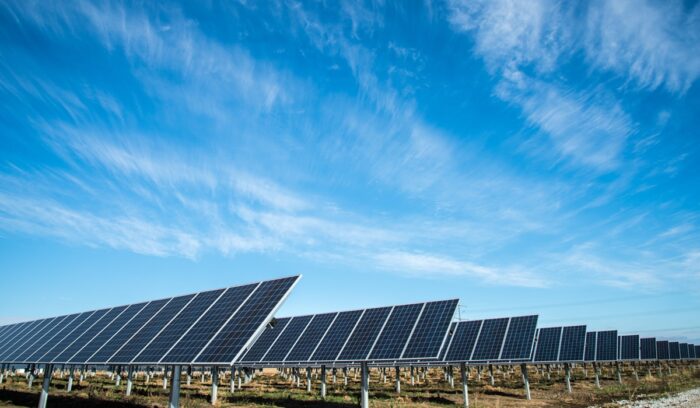
Spain’s proposals, set to be adopted by the cabinet in coming weeks, spell out an ambitious target to draw 100 per cent of the country’s electricity from renewables by 2050.
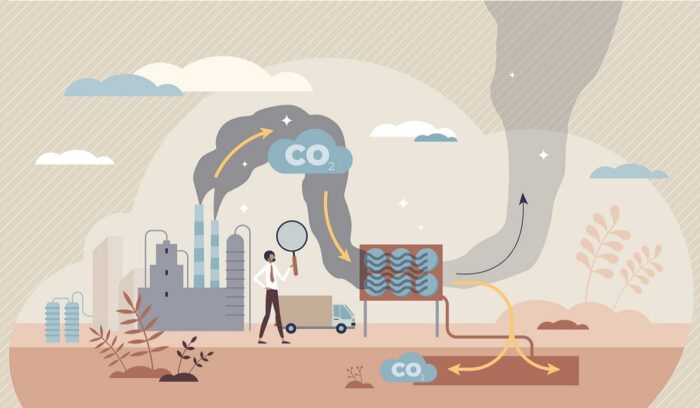
A new study says the latest technology is 67% less expensive that it was just a few years ago and can remove 97% of carbon dioxide emissions at one third the cost of similar technology in 2014.