
The largest dairy producer in Scandinavia pledges to carbon net zero by 2050
Arla Foods have revealed ambitions to reduce greenhouse emission on dairy farms by 30% per kilo of milk over the next decade, with a goal of carbon net zero by 2050.
This archive collects more than 1,500 solutions-journalism stories tracking real progress on the climate crisis — from renewable energy records and emissions reductions to policy wins and community-led adaptation. The focus is on what’s working, who’s making it happen, and what the evidence shows about the path forward.

Arla Foods have revealed ambitions to reduce greenhouse emission on dairy farms by 30% per kilo of milk over the next decade, with a goal of carbon net zero by 2050.
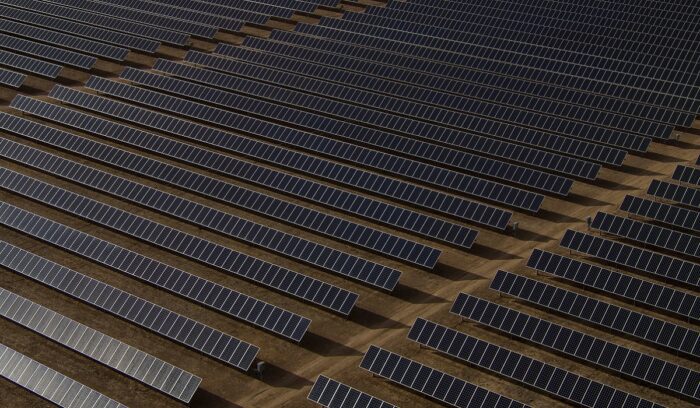
Australia is adding one mega-solar project equivalent per month, with the current installed base of 10 gigawatts projected to double by the end of 2020. The latest mega-solar project is a 333 MW project in Griffith, New South Wales.
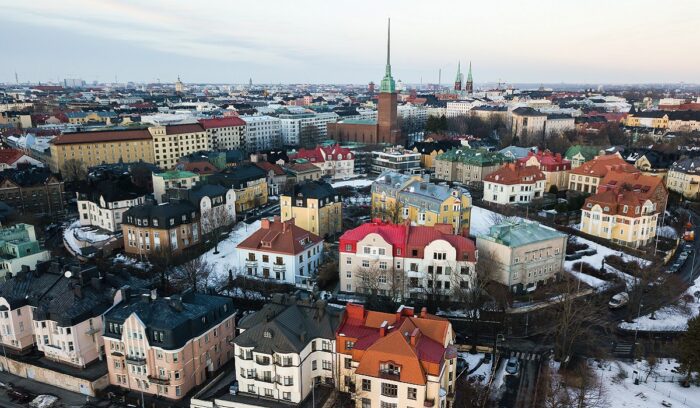
The Finnish Parliament approved a motion last week to bring forward its ban on coal for energy use to May 1, 2029, bringing the country in line with the majority of the European Union in walking away from coal-fired power.

Honda revealed their ambition to make 100% of its European sales electrified by 2025. This has built on the vehicle manufacturer’s previous goal of two thirds electrified by 2025.
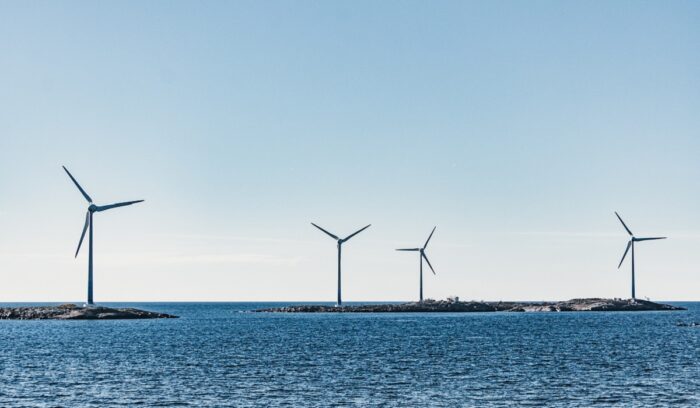
The new deal plans to increase the workforce within the sector to 27,000 by 2030, tripling the current 7,200 jobs today. The deal is in line with the strategy’s Clean Growth Grand Challenge to maximize the advantages for UK industry from the global shift to clean growth.
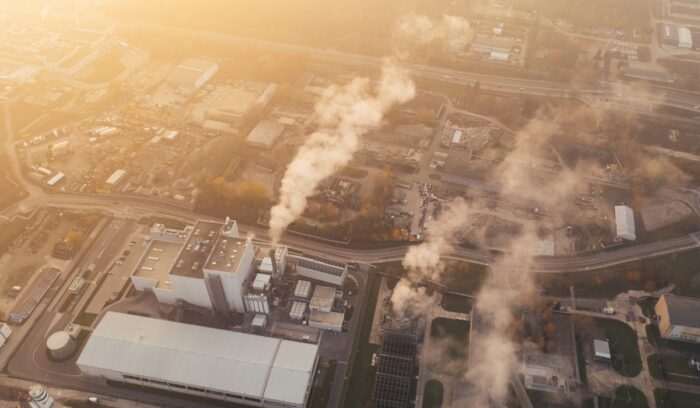
New research shows that carbon dioxide (CO2) emissions in a group of 18 developed economies including France, Spain, the United Kingdom, the United States, Germany, and Denmark which together represents 28% of global emissions – are declining.
Fully electric vehicles (BEVs) have been flourishing. In the first month of 2019, all-electrics jumped 67% year over year (YoY), to almost 21,000 deliveries.
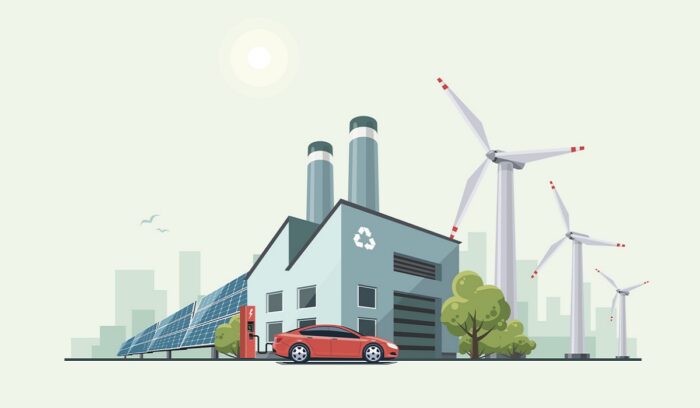
“Our objective is to keep building a modern, competitive and socially fair Paris-aligned economy for all Europeans. For this to happen, we will need deployment of clean innovative technologies on an industrial scale.”

DyeCoo uses a machine that dyes fabrics with pressurized CO2, which allows dyes to quickly dissolve and penetrate the textile — all without the use of water or chemicals.
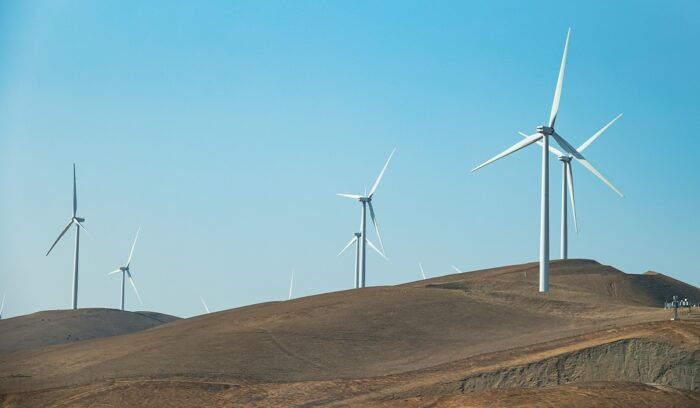
The state’s next renewable milestone is at 44% by 2024, a 33% growth in just over five full years.