Racial justice

This archive collects 125 solutions-journalism stories covering measurable progress on racial justice — from policy reforms and landmark court rulings to community-led initiatives and shifts in institutional practice. These articles focus on what is working, who is making it happen, and how change takes root in real communities. Reading here means following the evidence, not just the aspiration.

Sheriff Arpaio, central figure in racial profiling accountability debates and lawsuits

Arizona sheriff charged with criminal contempt in racial profiling case

Maricopa County, Arizona, 2016: federal prosecutors announced criminal contempt charges against Sheriff Joe Arpaio for defying a judge’s order to halt immigration patrols that had been ruled racially discriminatory against Latino drivers. By then, taxpayers had already spent $48 million on the case. For a community that had documented the harm for years, it was a rare moment of formal accountability.

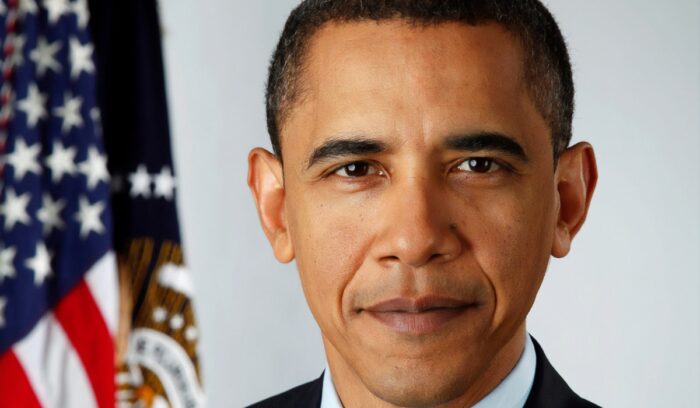
Barack Obama, for article on Barack Obama first Black president

Barack Obama elected as first Black president of the United States

Barack Obama won the U.S. presidency on November 4, 2008, becoming the first African American elected to the office. More than 134 million Americans voted — the highest turnout in generations — and Obama carried states Democrats hadn’t won in decades. For a country that had legally barred Black citizens from voting within living memory, the night marked a genuine milestone.

image for article on South Africa democratic election

South Africa ends apartheid with its first fully democratic election

South Africa’s first fully democratic election, held on April 27, 1994, ended nearly half a century of apartheid and brought Nelson Mandela to the presidency. Voters of all races lined up for hours, some for miles, to cast their first-ever ballot. It remains one of the modern era’s most closely watched peaceful transitions from authoritarian rule.

United Democratic Front flyer, for article on united democratic front south africa

United Democratic Front launches in South Africa, uniting 575 organizations against apartheid

The United Democratic Front launched on August 20, 1983, when roughly 10,000 people filled a community hall in Mitchell’s Plain near Cape Town. Delegates from 575 organizations — unions, churches, student groups, civic associations — united behind one slogan: “UDF Unites, Apartheid Divides.” It became one of the broadest nonracial coalitions in South Africa’s long struggle against apartheid.