Humans begin cultivating cinnamon for the first time, perhaps in modern-day Sri Lanka
Cinnamon is native to Sri Lanka and has been found in Ancient Egypt as early as 1500 B.C.E., suggesting early trade between Egypt and the island’s inhabitants.
Maize, also known as corn, is a cereal grain first domesticated by indigenous peoples in southern Mexico about 10,000 years ago. Maize has become a staple food in many parts of the world, with total production surpassing that of wheat or rice.
After domestication, its cultivation spread rapidly to Southeast Asia and southern China.
The oldest evidence for this is in the Kuk Swamp area, where planting, digging and staking of plants, and possibly drainage have been used to cultivate taro, banana, sago and yam.
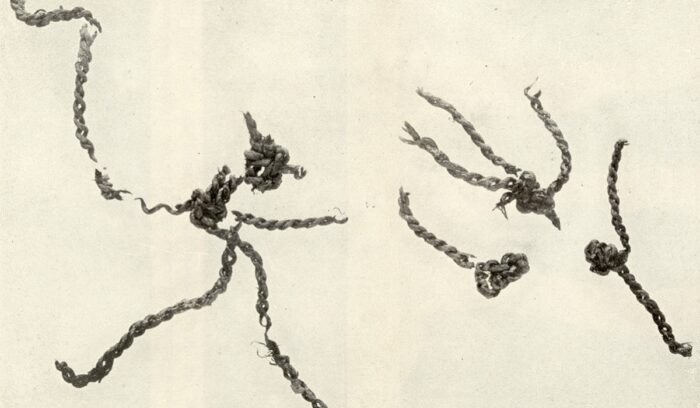
The oldest known fishing net is the net of Antrea, found with other fishing equipment in the Karelian town of Antrea, Finland, in 1913. The net was made from willow, and dates back to 8300 B.C.E.
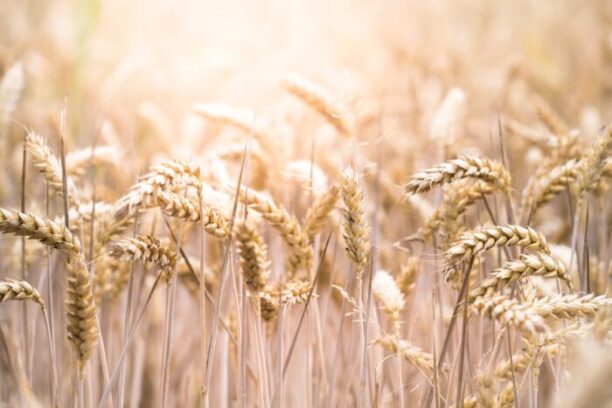
The origins of our modern wheat, according to genetics and archaeological studies, are found in the Karacadag mountain region of what is today southeastern Turkey–wheat makes up two of the classic eight founder crops of the origins of agriculture.
The beginning of this process in different regions has been dated from 10,000 to 8,000 B.C.E. in the Fertile Crescent and perhaps 8000 B.C.E. in the Kuk Early Agricultural Site of Melanesia.
Starch grains found on grinding stones suggest that prehistoric man may have consumed a type of bread at least 30,000 years ago in Europe, US researchers said.
Isotopic analysis of the skeletal remains of Tianyuan man, a 40,000-year-old modern human from eastern Asia, has shown that he regularly consumed freshwater fish.