Wildlife & land conservation

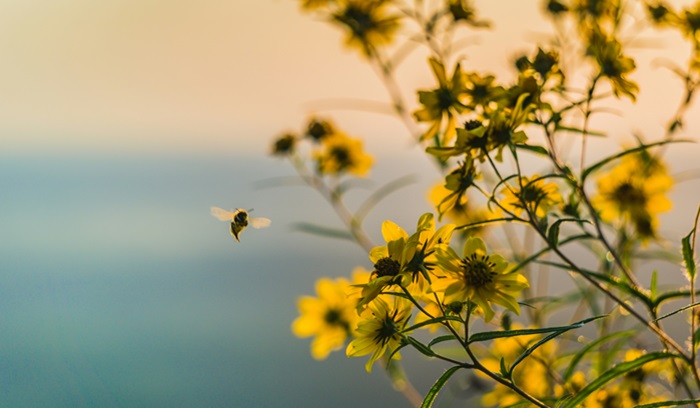
Honeybee by yellow flowers

Hobbyist beekeepers help reverse America’s critical bee shortage in just 5 years

Nearly a million bee colonies have been formed in the past five years, according to 2022 Census of Agriculture data from the USDA, boosting the total number of colonies to an all-time high of 3.8 million. The record high has arrived after nearly 20 years of collapsing colonies, where bees died from exposure to poisonous pesticides, stress from cross-country transit to pollinate crops, invasive pests, and changes to habitat.

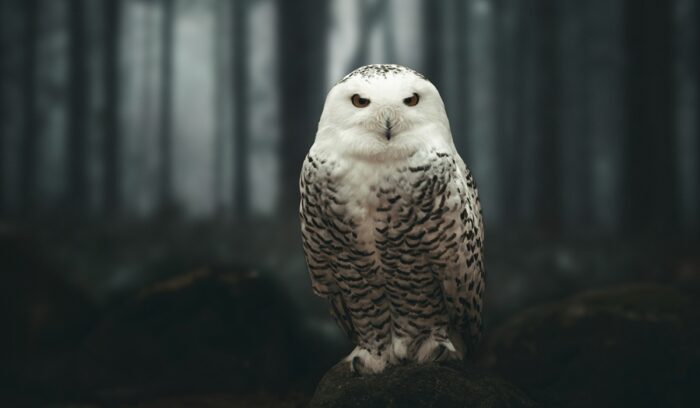
Spotted owl

Biden administration restores threatened species protections in the U.S. dropped by Trump

Among the changes, the U.S. Fish and Wildlife Service will reinstate a decades-old regulation that mandates blanket protections for animals and plants newly classified as threatened. That means officials won’t have to craft specific plans to shield each individual species while protections are pending, as has been done recently with North American wolverines in the Rocky Mountains, alligator snapping turtles in the Southeast and spotted owls in California.

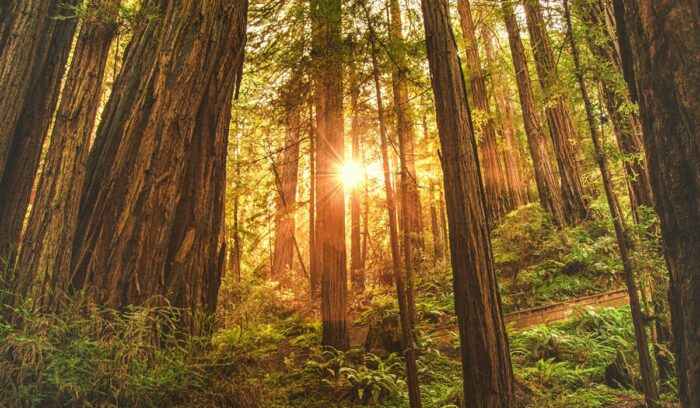
Redwoods with sun shining through

Yurok Tribe becomes the first to manage land with U.S. National Park Service

California’s Yurok Tribe, which had 90% of its territory taken from it during the gold rush of the mid-1800s, will be getting a slice of its land back to serve as a new gateway to Redwood national and state parks visited by 1 million people a year. The Yurok will be the first Native people to manage tribal land with the National Park Service under a historic memorandum of understanding signed by the tribe, Redwood national and state parks, and the non-profit Save the Redwoods League.

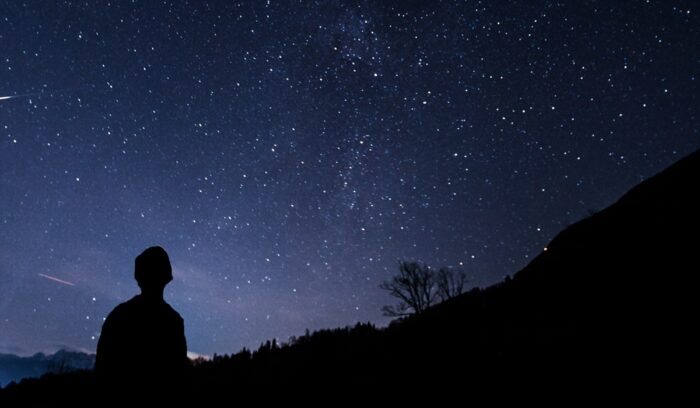
Silhouette of person looking at stars

Oregon area named world’s largest dark sky sanctuary

The Oregon outback is now home to the world’s largest dark sky sanctuary, offering pristine views of the night sky across 2.5 million acres. The Oregon outback international dark sky sanctuary received the certification this week, becoming the largest of 19 sites around the world with the same designation. The sanctuary covers Lake County in south-eastern Oregon, a remote area roughly half the size of New Jersey, and could eventually expand to include more than 11 million acres.

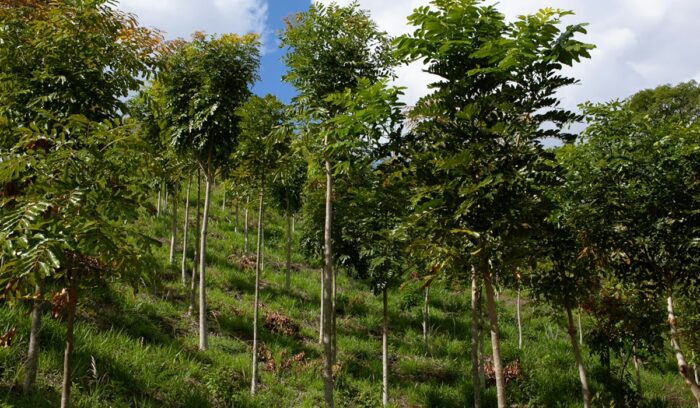
Young trees

The TREES program has planted tens of millions of trees across Africa since 2015

Since it was founded in 2015, the Trees for the Future (TREES) mass reforestation campaign has convinced and enabled thousands of farmers to plant tens of millions of trees every year. The program spans nine African countries ranging from Senegal and Mali to Tanzania and Kenya. In less than 10 years, it has reportedly restored a combined area of more than 41,000 hectares, which is about seven times the size of Manhattan.

Wolf and cub

Health Canada to completely ban use of strychnine poison

Strychnine has been used for decades to control animal pests, especially predators such as coyotes and wolves. Although it is highly effective, many consider it cruel. Strychnine kills by causing muscle cramps that eventually strangle the animal. A veterinary professor has called it “one of the worst ways to die.” The agency has declared a six-month phaseout period. That means all uses of strychnine will be illegal on September 7, 2024.

Dominican Republic forested landscape

The Dominican Republic reforests a fifth of the country in 10 years

Plan Yaque, founded in 2009, brings together 30 organizations to conserve the Yaque River basin, the Dominican Republic’s lifeline. The plan’s simplicity rests in convincing landowners that reforestation is not only an ecological need but also beneficial to their well-being. By 2019, Plan Yaque and other environmental efforts have restored 18 percent of damaged land, ranking as Latin America’s second-largest land recovery.

Birds eye view of tropical rainforest deforestation. An earth mover removes trees which are then burnt

E.U. Parliament votes to criminalize most serious cases of ecosystem destruction

The European Union has become the first international body to criminalize the most serious cases of environmental damage that are “comparable to ecocide.” Ecosystem destruction, including habitat loss and illegal logging, will now be punished with tougher penalties and prison sentences. Member countries will have two years to put the updated directive into national law.

Bee on yellow flowers

E.U. passes landmark law to restore 20% of Europe’s degraded land and sea by 2030

The European Parliament has approved the Nature Restoration Law – setting a target for the E.U. to restore at least 20% of its land and sea areas by 2030, and all ecosystems in need of restoration by 2050. With over 80% of European habitats in poor shape, the E.U. Nature Restoration Law aims to restore degraded ecosystems in all Member States, help achieve the E.U.’s climate and biodiversity objectives and enhance food security.