
Thailand approves subsidies for electric vehicles
The Thai government has approved a budget of 3 billion baht to subsidize the price of electric vehicles to promote the shift to a low carbon society.
This archive covers 314 stories about how people are rethinking the way we move — from cleaner transit systems and safer roads to breakthroughs in electric vehicles and urban bike infrastructure. Each article focuses on real progress, grounded in evidence, showing what’s working and where.

The Thai government has approved a budget of 3 billion baht to subsidize the price of electric vehicles to promote the shift to a low carbon society.

Starting in 2023, anyone driving a vehicle with high tailpipe emissions within London city limits will have to pay the £12.50 a day.

The rapid growth in plug-in electric vehicle sales from 2020 to 2021 is remarkable in the context of overall light-duty vehicle sales, which increased by only 3% during the same period.

German startup Sono Motors has announced that 37 prototypes are being produced to take its solar EV family through validation and certification, ahead of planned production in 2023.

The first batch of biofuel to hit the skies is expected to be used in a domestic flight with Turkish Airlines by the end of the year.
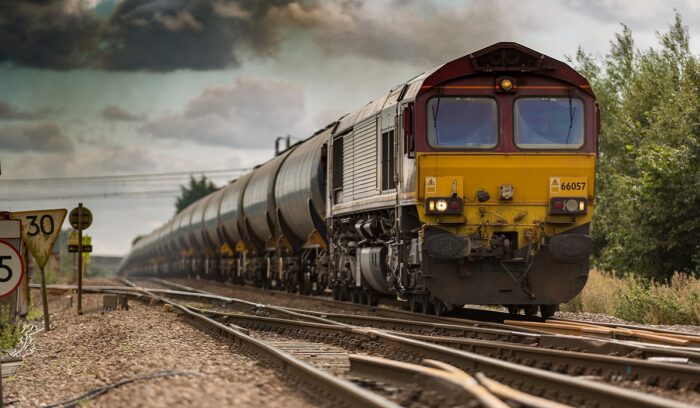
Australian mining company Fortescue is looking to reduce the carbon footprint of its operations by allowing a specially designed electric “Infinity Train” to roll down a hill to recharge its massive batteries.

Stellantis’ forward plan advances carbon-neutral manufacturing and the “cradle-to-cradle” business model to Reduce tailpipe emissions. The plan calls for a 50% carbon emissions reduction by 2030, with a carbon net-zero target of 2038.

By May 2023, haulers operating zero-emissions trucks — battery electric or hydrogen — must be given discounts of at least 50% on distance-based road tolls.

The U.S. Departments of Energy and Transportation announced that they will dedicate $5 billion over the next five years to the project.

GM is spending $7 billion to erect a new battery plant and overhaul an existing assembly plant to produce electric trucks. The move will create more than 4,000 jobs.