Humans of the Andes domesticate quinoa
Quinoa was first domesticated by Andean peoples around 3,000 to 4,000 years ago and has been an important staple in the Andean cultures.
Baker’s yeast is the common name for the strains of yeast commonly used as a leavening agent in baking bread and bakery products.
A plow is a tool or farm implement used in farming for initial cultivation of soil in preparation for sowing seed or planting to loosen or turn the soil.
Irrigation was used as a means of manipulation of water in the alluvial plains of the Indus valley civilization, the application of it is estimated to have begun around 4500 B.C.E. and drastically increased the size and prosperity of their agricultural settlements.
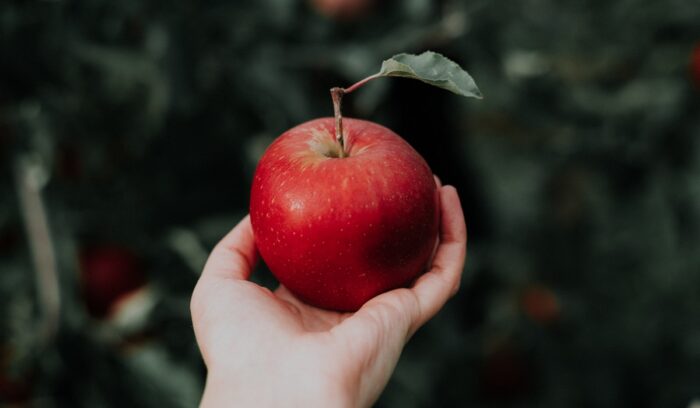
Scientists believe that apples were first domesticated in the Tian Shan region of southern Kazakhstan. In fact, by as early as 2000 B.C.E., domesticated apples were being grafted in the Near East.
Various cultures of indigenous peoples in Bolivia developed in the high altitude settings of altiplano, where they coped with low oxygen levels, poor soils and extreme weather patterns.
The historic origin of sesame was favored by its ability to grow in areas that do not support the growth of other crops. It is also a robust crop that needs little farming support and is resilient in extreme conditions.
The earliest known evidence of the domestication of Cucurbita dates back at least 8,000 years ago, predating the domestication of other crops such as maize and beans in the region by about 4,000 years.
Mead is an alcoholic beverage created by fermenting honey with water, sometimes with various fruits, spices, grains, or hops.
People started to cultivate yams, rather than digging up wild ones, as long as 10,000 years ago in both Africa and Asia, and some time later in the New World.