U.S. Food and Drug Administration

Depiction of DNA, for article on gene therapy for inherited deafness

U.S. FDA approves first-ever gene therapy for inherited deafness, free to patients

The FDA has approved the first-ever gene therapy for inherited deafness. In its 20-child trial, 16 saw their hearing improve within months — and some could make out whispers for the first time.
Called Otarmeni, the one-time treatment uses two harmless viruses to deliver working copies of the OTOF gene deep into the inner ear, restoring otoferlin, the protein the cochlea needs to turn sound into signals the brain can read. Its maker, Regeneron, says it will offer the therapy free to patients in the U.S. Doctors who ran the trial described children responding to their parents’ voices, and to music, for the first time.
This particular genetic form of deafness is rare, affecting roughly 50 babies born in the U.S. each year. But researchers believe the breakthrough cracks open the door to gene therapies for many other inherited conditions worldwide.

Child getting hearing test, for article on gene therapy for deafness

U.S. FDA approves first gene therapy for inherited deafness, offered free to U.S. patients

Gene therapy can now restore hearing to children born deaf — and Regeneron is giving it away free to U.S. families. In a trial of 20 children with rare OTOF mutations, 16 gained meaningful hearing within about five months, and several were brought to essentially normal hearing. One toddler covered his ears when an ambulance siren passed — his first sign of sound. Instead of charging up to $4 million per child, as is common for rare-disease therapies, Regeneron chose a different path entirely. Beyond the families it directly helps, the decision hints at a quietly radical idea: that breakthrough medicine for rare conditions doesn’t have to come with a breathtaking price tag.

A medical professional preparing an injectable syringe for an article about lenacapavir HIV prevention, for article on annual HIV injection

FDA approves twice-yearly lenacapavir HIV prevention shot with 99.9% effectiveness

Lenacapavir HIV prevention has reached a landmark moment: the FDA has approved the twice-yearly injectable drug — brand name Yeztugo — as the first long-acting PrEP option in history. Clinical trials showed it stopped transmission in more than 99.9% of participants, outperforming daily oral PrEP across tens of thousands of people. The breakthrough matters because adherence to daily medication has always been the weak point in HIV prevention, particularly in high-burden communities facing stigma and limited clinic access. Gilead has also signed royalty-free licensing agreements to supply affordable versions to 120 countries, prioritizing sub-Saharan Africa, Southeast Asia, and the Caribbean.

A doctor reviewing a prescription pad in a clinical setting for an article about non-opioid pain drug approval

FDA approves first non-opioid pain drug in more than 20 years

The FDA’s approval of Journavx (suzetrigine), a first-in-class non-opioid pain drug, marks the most significant shift in acute pain treatment in over two decades. Developed by Vertex Pharmaceuticals, the drug blocks a specific sodium channel in the peripheral nervous system, stopping pain signals before they reach the brain without engaging the opioid pathways linked to addiction and overdose. Two rigorous clinical trials confirmed its effectiveness for moderate to severe acute pain. With more than 500,000 opioid overdose deaths in the U.S. since 1999, this approval offers patients and doctors a genuinely new choice — one that treats real pain without the shadow of dependence.

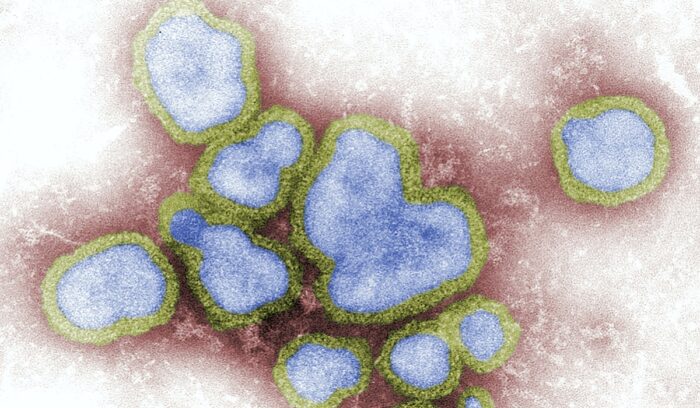
Viruses under microscope, for article on RSV vaccine approval

U.S. FDA approves first-ever vaccine for RSV

Pfizer’s RSV vaccine ABRYSVO just became the first licensed option for at-risk adults as young as 18, closing a long-standing protection gap for younger people living with chronic conditions. About one in ten U.S. adults aged 18 to 49 has a condition like diabetes, asthma, or heart failure that raises their risk of severe RSV illness — and until now, they had nothing. The vaccine targets RSV’s prefusion F protein, a breakthrough that finally unlocked effective design after decades of frustrating research. With approvals now spanning pregnant individuals, older adults, and at-risk younger adults, ABRYSVO marks a quiet but powerful turning point in a field that struggled for half a century — a reminder that patient science eventually delivers real protection to real people.

InspectIR breathalyzer COVID test, for article on COVID-19 breath test

First COVID-19 breath test authorized for use in U.S.

A COVID-19 breath test just cleared a major hurdle: the FDA has authorized the first device that can detect the virus from a single exhale, returning results in about three minutes. Made by InspectIR, the device picks up a signature pattern of five compounds the body releases during infection, and in a study of nearly 2,500 people it correctly flagged 91 percent of positive cases. No swabs, no lab. Beyond this moment, the authorization is a real proof of concept for breath-based diagnostics — a field researchers have long hoped could one day help detect cancers, kidney disease, and other conditions, especially in communities where traditional testing is hardest to reach.