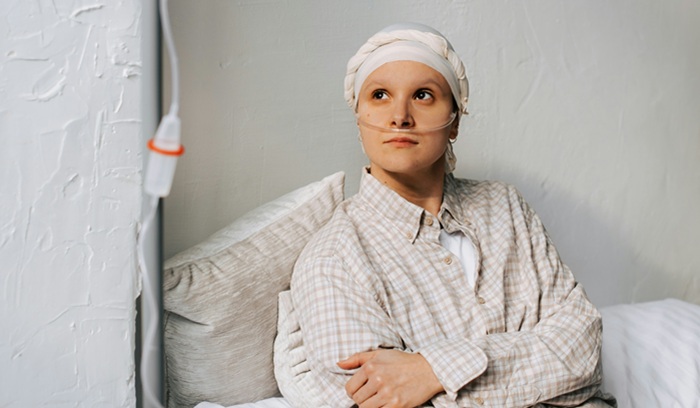
For the first time in recorded medical history, more than 70% of people diagnosed with cancer in the United States survive at least five years — a milestone that reflects decades of advances in early detection, treatment, and survivorship care. The figure, drawn from national surveillance data, marks a profound shift in what a cancer diagnosis means for millions of Americans.
At a glance
- Cancer survival rate: The overall U.S. five-year relative survival rate has crossed 70% for the first time, up from roughly 50% in the 1970s.
- Cancer deaths avoided: The American Cancer Society estimates that more than 4 million cancer deaths were averted between 1991 and 2022 C.E., largely due to declining smoking rates, earlier screening, and improved therapies.
- Survival leaders: Cancers with the steepest improvements include breast, prostate, and certain leukemias — with some subtypes now approaching 90% or higher five-year survival.
How we got here
The climb from 50% to 70% didn’t happen overnight. It reflects a half-century of compounding gains across the entire cancer care pipeline.
Screening programs caught more cancers earlier, when they are most treatable. Mammography, colonoscopy, and low-dose CT scans for lung cancer have each contributed to stage shifts — meaning more people are diagnosed at stage I or II rather than stage III or IV. Earlier-stage cancers are dramatically more survivable.
At the same time, treatment options expanded enormously. Immunotherapy reshaped outcomes for melanoma and lung cancer. Targeted therapies matched to specific genetic mutations turned some previously fatal diagnoses into manageable conditions. And supportive care — nutrition, mental health, pain management — improved patients’ ability to complete treatment.
The role of data and research infrastructure
Behind the number is a vast data infrastructure. The National Cancer Institute’s SEER program (Surveillance, Epidemiology, and End Results) has tracked cancer outcomes across the U.S. population since 1973 C.E., enabling researchers to identify which interventions work and for whom.
The American Cancer Society’s annual Cancer Statistics report, published in CA: A Cancer Journal for Clinicians, synthesizes this data and has become a benchmark document for oncologists, policymakers, and public health advocates worldwide. The most recent editions documented the crossing of the 70% threshold, drawing on data from the NCI, the Centers for Disease Control and Prevention, and the North American Association of Central Cancer Registries.
This kind of long-term data collection — often unglamorous, expensive, and invisible to the public — is precisely what makes breakthroughs legible. Without it, we wouldn’t know what’s working.
Who is still being left behind
The 70% figure is a national average, and averages conceal as much as they reveal. Black Americans continue to face higher cancer mortality rates than white Americans across several cancer types, a gap driven by unequal access to screening, later-stage diagnoses, and systemic barriers to care. Pancreatic, liver, and lung cancers — which disproportionately affect certain communities — still carry five-year survival rates well below 30%.
Researchers and advocates have been direct about this: reaching 70% overall while leaving gaps of 20 to 30 percentage points by race and cancer type is not a finished story. The NCI’s Center to Reduce Cancer Health Disparities funds targeted research into these inequities, but progress has been uneven.
Geography also matters. Rural Americans are less likely to have access to specialized cancer centers, clinical trials, or the full range of treatment options available in metropolitan areas. Closing these gaps is the next frontier of the survival story.
What the milestone signals
A 70% survival rate would have seemed almost utopian to oncologists practicing in the 1970s C.E. It is worth pausing on that.
It means that the majority of people who hear the words “you have cancer” will, statistically, be alive five years later. It means that the roughly 2 million Americans diagnosed each year now have better odds than any cancer patient in history. And it means that the research investments, public health campaigns, and clinical innovations of recent decades are paying off in measurable human lives.
Survivorship itself has become a field of medicine. The American Society of Clinical Oncology now publishes guidelines specifically for life after cancer — managing long-term side effects, monitoring for recurrence, and supporting the psychological dimensions of surviving. The community of cancer survivors in the U.S. now numbers more than 18 million people.
The 70% threshold is a beginning, not a ceiling. Researchers are already targeting 80%, with trials underway in precision medicine, early liquid biopsies, and AI-assisted diagnostics. The arc bends toward more people surviving — and surviving well.
Read more
For more on this story, see: Good News for Humankind
For more from Good News for Humankind, see:
- U.K. cancer death rates are down to their lowest level on record
- Renewables now make up at least 49% of global power capacity
- The Good News for Humankind archive on global health
About this article
- 🤖 This article is AI-generated, based on a framework created by Peter Schulte.
- 🌍 It aims to be inspirational but clear-eyed, accurate, and evidence-based, and grounded in care for the Earth, peace and belonging for all, and human evolution.
- 💬 Leave your notes and suggestions in the comments below — I will do my best to review and implement where appropriate.
- ✉️ One verified piece of good news, one insight from Antihero Project, every weekday morning. Subscribe free.
More Good News
-
Doctors hail first breakthrough in asthma and COPD treatment in 50 years
Benralizumab, a single injection given during an asthma or COPD attack, cut treatment failures fourfold over 90 days compared to the steroid pills doctors have relied on since the 1970s. In a trial of 158 patients arriving at UK emergency departments, the shot eased coughing, wheezing, and breathlessness more effectively than steroids — and could eventually be given at home or in a GP’s office. Because it targets the specific inflammation behind roughly half of asthma attacks, it could spare millions of people from the diabetes and bone-loss risks that come with repeated steroid use. After a 50-year wait for…
-

Mexico launches universal healthcare for all 133 million citizens
Mexico universal healthcare is now officially a reality, with the country launching a system designed to cover all 133 million citizens through the restructured IMSS-Bienestar network. Before this reform, an estimated 50 million Mexicans had no formal health insurance, with rural and Indigenous communities bearing the heaviest burden of untreated illness and medical debt. The new system severs the long-standing tie between employment and healthcare access, providing free consultations, medicines, and hospital services regardless of income. If implemented effectively, Mexico’s move could serve as a powerful model for other middle-income nations still navigating fragmented, inequitable health systems.
-

Ghana declares its first marine protected area to rescue depleted fish stocks
Ghana’s marine protected area — the country’s first ever — marks a historic turning point for a nation gripped by a quiet fisheries crisis. Established near Cape Three Points in the Western Region, the protected zone restricts or bans fishing activity to allow severely depleted fish populations to recover. Ghana’s coastal stocks have fallen by an estimated 80 percent from historic levels, threatening food security and the livelihoods of millions of small-scale fishers. The declaration also carries regional significance, potentially inspiring neighboring Gulf of Guinea nations to establish coordinated protections of their own.