
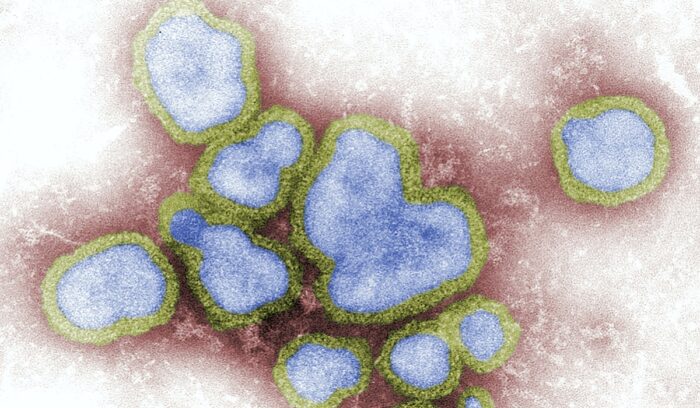
The U.S. Food and Drug Administration has expanded approval of Pfizer’s RSV vaccine ABRYSVO to cover adults aged 18 through 59 who face heightened risk from the virus — a significant step toward protecting millions of younger people with chronic conditions who were previously left without a licensed option. The decision, announced in October 2024 C.E., makes ABRYSVO the only RSV vaccine indicated for adults as young as 18, as well as for pregnant individuals and older adults.
At a glance
- RSV vaccine approval: The FDA cleared ABRYSVO for adults aged 18–59 at increased risk, expanding a protection gap that left younger adults with chronic illness without a licensed RSV vaccine.
- High-risk population: About 9.5% of U.S. adults aged 18 to 49 have an underlying condition — such as diabetes, COPD, or heart failure — that raises their risk of severe RSV-related lower respiratory tract disease.
- Maternal immunization: ABRYSVO remains the only RSV immunization approved for pregnant individuals at 32–36 weeks of gestation, shielding newborns from birth up to six months of age.
Why younger adults needed this protection
RSV — respiratory syncytial virus — is widely known as a danger to infants and the elderly, but it is a serious threat to younger adults living with chronic illness. Conditions including severe obesity, chronic kidney disease, asthma, and cardiovascular disease all raise the risk of hospitalization from RSV-associated lower respiratory tract disease.
Among U.S. adults aged 50 to 64, roughly one in four carries an underlying condition that puts them in this elevated-risk category. For adults aged 18 to 49, the share is about one in ten — still a large number of people, and until this approval, a group without a licensed vaccine to turn to.
The new indication closes that gap. Pfizer’s ABRYSVO is now the broadest RSV vaccine by age indication for adults in the U.S., covering everyone from 18 years old and up who qualifies on clinical grounds.
The science behind the approval
The FDA’s decision rests on inferred efficacy drawn from the pivotal Phase 3 clinical trial known as MONeT — short for RSV IMmunizatiONStudy for AdulTs at Higher Risk of Severe Illness. The trial examined safety, tolerability, and immunogenicity in adults at elevated risk due to chronic medical conditions.
ABRYSVO is a bivalent, unadjuvanted vaccine designed to target the RSV fusion protein in its prefusion state — the configuration that triggers the strongest neutralizing antibody response. Because RSV circulates in two subgroups, RSV-A and RSV-B, the bivalent design is intended to provide broad protection regardless of which strain is dominant in a given season.
Pfizer has said it plans to submit MONeT results to a peer-reviewed scientific journal and present findings at an upcoming scientific conference. The full peer-reviewed data will matter for building confidence among clinicians and patients alike.
A long road to RSV vaccination
RSV vaccine research has spanned decades. The first attempt — a formalin-inactivated vaccine tested in the 1960s — famously made disease worse in children rather than preventing it, setting back the field for years. The eventual understanding of the prefusion F protein as the key target for neutralizing antibodies, pioneered in part by researchers at the National Institutes of Health, unlocked a new era of vaccine design.
ABRYSVO received its first U.S. approval in May 2023 C.E. for adults 60 and older, followed by approval in August 2023 C.E. for maternal immunization to protect newborns. The Centers for Disease Control and Prevention has since recommended RSV vaccines for older adults and maternal use. This latest expansion to younger at-risk adults represents the next logical step in that progression.
The vaccine has also received authorization from the European Commission and regulatory approvals in multiple countries, reflecting broad international confidence in the data.
What remains unresolved
The inferred-efficacy pathway used for this approval — rather than direct efficacy data from a randomized, placebo-controlled trial showing prevented RSV cases — means the evidence base is still developing. Questions also remain about uptake: surveys from KFF show that awareness of RSV vaccines among adults under 60 is limited, and translating an FDA approval into widespread vaccination requires outreach to clinicians and patients alike. Coverage disparities across income levels and insurance status are likely to shape who actually benefits. Additionally, the World Health Organization notes that the global RSV burden falls heavily on low- and middle-income countries, where access to newly approved vaccines typically lags by years.
Still, for the millions of younger adults in the U.S. managing chronic conditions, having a licensed option is a real and meaningful shift — one that could prevent hospitalizations and the serious downstream health consequences that RSV can trigger in vulnerable people.
Read more
For more on this story, see: Pfizer press release
For more from Good News for Humankind, see:
- FDA approves first non-opioid pain drug in more than 20 years
- World Health Organization approves first-ever malaria vaccine
- The Good News for Humankind archive on global health
- Disease elimination & public health wins: the breakthroughs saving millions of lives
About this article
- 🤖 This article is AI-generated, based on a framework created by Peter Schulte.
- 🌍 It aims to be inspirational but clear-eyed, accurate, and evidence-based, and grounded in care for the Earth, peace and belonging for all, and human evolution.
- 💬 Leave your notes and suggestions in the comments below — I will do my best to review and implement where appropriate.
- ✉️ One verified piece of good news, one insight from Antihero Project, every weekday morning. Subscribe free.


