
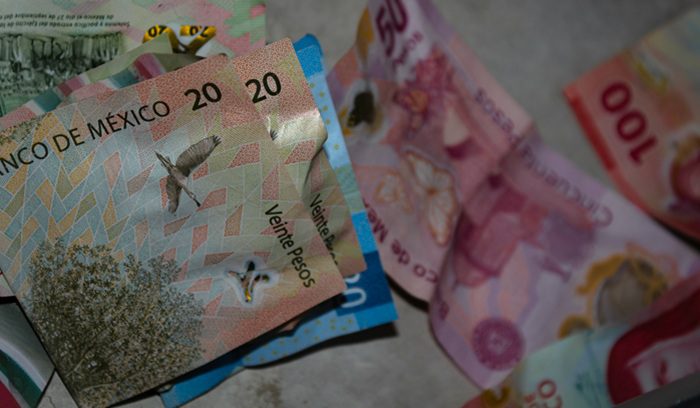
Mexico’s minimum wage rose 13% at the start of 2026 C.E., reaching 278.80 pesos per day — roughly $13.60 U.S. — marking eight consecutive years of double-digit increases under a deliberate national policy to restore the purchasing power of low-wage workers. The raise was announced by the Comisión Nacional de los Salarios Mínimos (CONASAMI), Mexico’s national wage commission, continuing a trend that has more than tripled the real value of the minimum wage since 2018 C.E.
At a glance
- Mexico minimum wage: The daily rate rises to 278.80 pesos in 2026 C.E., up from 248.93 pesos in 2025 C.E. — a 13% nominal increase.
- Northern border zone: Workers in Mexico’s zona libre de la frontera norte receive a higher rate of 419.88 pesos per day, reflecting the higher cost of living in border cities.
- Cumulative gains: Since 2018 C.E., Mexico’s minimum wage has increased by more than 350% in nominal terms, with real purchasing power gains exceeding 100% after accounting for inflation.
Why this streak matters
For decades, Mexico’s minimum wage was kept deliberately low — a policy tool that economists and labor advocates argued suppressed consumption, widened inequality, and kept millions of workers in poverty. The logic was that low wages attracted foreign investment. The evidence, however, pointed the other direction.
Starting in 2018 C.E. under President Andrés Manuel López Obrador and continuing under President Claudia Sheinbaum, the government reversed course. The wage commission began setting raises well above inflation each year, and the results have been measurable. CONEVAL, Mexico’s national poverty evaluation agency, has documented consistent declines in the share of workers earning poverty-level wages over this period.
The gains have been especially significant for women, who are disproportionately represented in minimum-wage sectors including domestic work, retail, and food processing.
The mechanics behind the raise
CONASAMI sets Mexico’s minimum wage through a tripartite process involving government, employers, and labor unions. That structure has historically favored modest increases. What changed after 2018 C.E. was political will at the top — and a sustained public argument, backed by research, that higher wages boost domestic consumption without the job losses that critics predicted.
International Monetary Fund data and domestic Mexican research have both found that the wage increases did not trigger the unemployment spikes that opponents warned about. Mexico’s formal employment numbers have remained relatively stable, and in some sectors expanded, even as wages rose sharply.
The border-zone differential — set higher since 2019 C.E. to prevent wage-driven migration to U.S. border cities — has also shown results. It narrowed the gap between wages on either side of the border and helped anchor workers in their communities.
What remains unresolved
The gains are real, but incomplete. A significant share of Mexico’s workforce remains in the informal economy, where minimum wage rules do not apply. INEGI, Mexico’s national statistics agency, estimates that more than half of all employed Mexicans work informally — meaning the wage floor, however high it rises, reaches only part of the labor force. Translating formal wage gains into broader economic security for informal workers remains one of the defining challenges of Mexican labor policy.
Inflation has also eaten into nominal gains in recent years, particularly for food and housing. Workers and unions have pushed for raises that outpace inflation by wider margins, and the 13% increase for 2026 C.E. — while above projected inflation — continues a debate about whether the pace is fast enough.
A model drawing international attention
Mexico’s sustained commitment to minimum wage growth has attracted attention from labor economists and policymakers in other middle-income countries watching to see whether aggressive wage floors can coexist with growth. The International Labour Organization has cited Mexico’s approach as a case study in wage policy that prioritizes workers without triggering macroeconomic instability.
Eight years of double-digit increases represent a deliberate policy choice — one that has begun to reshape what the floor of work looks like for millions of Mexicans.
Read more
For more on this story, see: Good News for Humankind
For more from Good News for Humankind, see:
- Ghana establishes new marine protected area at Cape Three Points
- Alzheimer’s risk cut in half by drug in landmark prevention trial
- The Good News for Humankind archive on global health
About this article
- 🤖 This article is AI-generated, based on a framework created by Peter Schulte.
- 🌍 It aims to be inspirational but clear-eyed, accurate, and evidence-based, and grounded in care for the Earth, peace and belonging for all, and human evolution.
- 💬 Leave your notes and suggestions in the comments below — I will do my best to review and implement where appropriate.
- ✉️ One verified piece of good news, one insight from Antihero Project, every weekday morning. Subscribe free.