

A major conservation success story is unfolding globally with the recovery of the green sea turtle. Decades of dedicated protection efforts have led to a significant rebound in population numbers. This pulls the species back from the brink of extinction. This achievement is a profound victory for global biodiversity.
This success confirms that when human efforts align, even severely threatened marine populations can recover. It shows a powerful shift in global priorities toward environmental healing. The sight of healthy, thriving green turtles now nesting on protected beaches is a powerful symbol of hope for our oceans.
Population Surge Reflects Protection Success
The recovery of the green sea turtle is marked by incredible progress in key regions. In many major nesting sites, populations have reached historic highs not seen in over a century. For instance, reports from Florida showed that nesting numbers surged by several hundred percent in major rookeries. This recovery validates years of targeted legal action and conservation investment.
The species was once severely threatened by over-exploitation and habitat loss. This massive population increase confirms that human intervention can effectively reverse ecological decline. The successful rebound of this iconic species is tracked closely by the International Union for Conservation of Nature (IUCN).
Securing Vital Coastal Habitats
Protecting nesting beaches and foraging grounds has been the cornerstone of this success. Governments and local communities have enforced strong legal frameworks against poaching and egg harvesting. These laws provide essential security for the turtles during their most vulnerable life stages.
The establishment of vast Marine Protected Areas (MPAs) around feeding zones was also crucial. Seagrass meadows, the green turtle’s primary food source, are now safeguarded from destruction and pollution. This ensures the turtles have the nutrition needed to survive and reproduce. You can read more about the importance of protecting sea turtle habitats from the World Wildlife Fund (WWF) Marine Program.
Community-led programs that patrol beaches have further reduced human disturbance. These initiatives are vital for protecting vulnerable eggs and hatchlings from predators and erosion. This partnership between scientists and local citizens strengthens environmental stewardship.
A Benefit for Global Ocean Health
The recovery of the green sea turtle is delivering profound benefits for global ocean health. These turtles act as natural gardeners of the sea. By grazing on seagrass meadows, they trim the grasses, which keeps the beds healthy and productive.
Healthy seagrass meadows are essential for carbon sequestration. They trap and store large amounts of carbon dioxide, making them natural allies in the fight against climate change. The presence of thriving turtle populations indicates a robust and balanced marine food web. This return to ecological function reinforces the ocean’s overall resilience against warming and pollution.
A Legacy of Hope and Ingenuity
This success is a powerful testament to human ingenuity and perseverance. The recovery involved overcoming diverse challenges, from reducing accidental entanglement in fishing gear to managing coastal development. Scientists utilized satellite tracking to identify crucial migration routes and feeding areas. This allowed for informed policy decisions, such as temporary fishing restrictions.
The commitment proves that the sustained, cooperative effort to protect biodiversity yields tangible, life-affirming results. The rebound of the green sea turtle serves as a profound global symbol of hope. It demonstrates that the commitment to biodiversity is a shared responsibility that yields tangible success. The IUCN provides standards for successful reintroduction programs informed by such efforts.
Resources
- World Wildlife Fund (WWF) Marine Program on Green Turtles
- National Oceanic and Atmospheric Administration (NOAA) on Sea Turtle Conservation
- International Union for Conservation of Nature (IUCN) Species Survival Commission on Reintroduction Guidelines
- Sea Turtle Conservancy on Nesting and Population Data
More Good News
-

Alzheimer’s risk cut in half by drug in landmark prevention trial
A clinical trial from Washington University in St. Louis and published in The Lancet Neurology found that long-term high-dose treatment with the antibody drug gantenerumab reduced Alzheimer’s risk by roughly 50% in people with dominantly inherited Alzheimer’s disease — a rare genetic form caused by mutations that make the disease near-certain. The results are statistically uncertain and apply to less than 1% of all Alzheimer’s cases, but they provide the first evidence that removing amyloid plaques before symptoms appear can meaningfully change the course of the disease.
-

Marie-Louise Eta becomes the first female head coach in men’s top-flight European football
Marie-Louise Eta, 34, was appointed head coach of Bundesliga side Union Berlin on April 12, 2026, becoming the first woman to hold the top coaching position at a men’s club in any of Europe’s Big Five leagues — the Premier League, La Liga, Serie A, Ligue 1, and Bundesliga. A Champions League winner as a player with Turbine Potsdam in 2010, Eta had already broken barriers as the first female assistant coach in the Bundesliga in 2023. She takes charge for the final five matches of the season as Union Berlin fights to secure top-flight survival, after which she was…
-

Renewables now make up at least 49% of global power capacity
Renewable energy reached 49.4% of total global installed power capacity by end of 2025, up from 46.3% in 2024, according to the International Renewable Energy Agency’s Renewable Capacity Statistics 2026. The world added 692 gigawatts of new renewable capacity last year — the largest annual addition ever recorded — with solar alone contributing 511 gigawatts. Africa recorded its highest renewable expansion on record, and the Middle East its fastest-ever growth. IRENA Director-General Francesco La Camera noted that countries investing in renewables are absorbing the current Middle East energy crisis with measurably less economic damage than fossil-fuel-dependent economies.
-

Global suicide rate has fallen by 40% since 1995
A landmark study published in The Lancet Public Health by researchers at the Institute for Health Metrics and Evaluation at the University of Washington found that the global age-standardized suicide mortality rate fell nearly 40% between 1990 and 2021 — from 15 deaths per 100,000 people to nine. The decline was driven by measurable interventions including restrictions on toxic pesticides, expanded mental health services, and national prevention strategies. Female suicide rates fell more than 50% globally over the period. Roughly 740,000 people still die by suicide each year, and rates have risen in parts of Latin America and North America,…
-
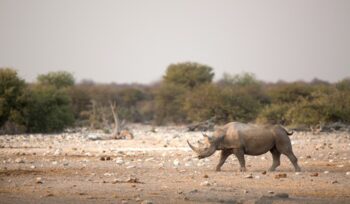
Rhinos are reintroduced back into Uganda’s wild after 43 years
The Uganda Wildlife Authority havetranslocated the first southern white rhinos to Kidepo Valley National Park — 43 years after the last rhino in the park was killed by poachers in 1983. The animals came from Ziwa Rhino Sanctuary, a breeding program established in 2005 with just six individuals that has grown Uganda’s total rhino population to 61. Four more rhinos will follow by May, with a separate group already relocated to Ajai Wildlife Reserve in January 2026. The reintroduction restores a key grazing species to one of Africa’s most remote savannah ecosystems and makes Kidepo the only national park in…