
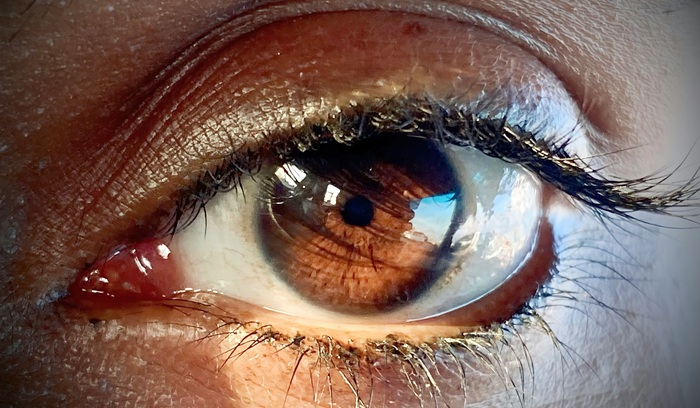
Egypt has achieved a monumental public health milestone by officially eliminating trachoma as a public health problem. The World Health Organization (WHO) verified this success, making Egypt the seventh country in the Eastern Mediterranean Region to reach this goal. This victory marks the end of a disease that has plagued the region for over 3,000 years, dating back to ancient times. It is a powerful testament to the effectiveness of sustained national leadership and international collaboration.
This achievement protects millions of people from the world’s leading infectious cause of blindness. It secures a future where preventable vision loss is no longer a threat to Egyptian families.
The Success of the SAFE Strategy
The elimination of trachoma was driven by the rigorous implementation of the WHO-endorsed SAFE strategy. This comprehensive approach focuses on Surgery for trichiasis, Antibiotics to clear infection, Facial cleanliness, and Environmental improvement. Egypt began piloting this strategy in 2002, scaling it up to cover all endemic districts.
Between 2015 and 2025, the Ministry of Health and Population conducted extensive mapping and surveillance across all 27 governorates. This data-driven approach ensured that interventions were targeted exactly where they were needed most. The result was a steady decline in infection rates, particularly among children, and a massive reduction in adults requiring surgery. You can read more about the WHO’s validation process and criteria.
A Triumph of Collaboration and Investment
This success was made possible through a robust coalition of partners. The Egyptian government worked closely with international organizations, including Sightsavers, the International Trachoma Initiative, and the Fred Hollows Foundation. Financial support from donors allowed for the mass distribution of antibiotics and the training of thousands of health workers.
This collaborative model ensured that resources were used efficiently to reach the most vulnerable populations in rural areas. The integration of trachoma surveillance into the national electronic disease reporting system in 2024 was a critical step for long-term sustainability. This system allows for rapid response to any potential new cases, securing the gains made. The International Trachoma Initiative details the global partnership model used to fight this disease.
Ending an Ancient Scourge
Trachoma has a deep history in Egypt, with evidence of the disease found in ancient medical texts like the Ebers Papyrus from 1500 BCE. Eliminating a disease with such deep historical roots is a profound achievement for modern medicine and public health. It transforms a legacy of suffering into one of hope and resilience.
For decades, trachoma was a leading cause of blindness in the Nile Delta and Upper Egypt. Its elimination removes a significant barrier to education and economic productivity for millions of citizens. This victory restores dignity and opportunity to communities that were disproportionately affected by the disease. The Sightsavers announcement provides historical context on this centuries-old battle.
A Model for Global Elimination
Egypt’s success brings the total number of countries validated for eliminating trachoma to 27 worldwide. This progress provides a powerful blueprint for the 30 countries where the disease remains endemic. It proves that even with a massive population and complex geography, elimination is achievable through persistent, evidence-based action.
This milestone contributes significantly to the global goal of eliminating neglected tropical diseases (NTDs) by 2030. It reinforces the momentum for global health equity. Egypt’s leadership offers valuable lessons in integrating disease control with broader development initiatives like the “Haya Karima” (Decent Life) program. The WHO Eastern Mediterranean Regional Office tracks the regional progress of these elimination efforts.
Resources
- World Health Organization (WHO) on Trachoma Elimination Validation
- Sightsavers on Egypt’s Historical Achievement
- International Trachoma Initiative on Global Partnerships
- WHO Eastern Mediterranean Regional Office on Regional Health Milestones
More Good News
-

Alzheimer’s risk cut in half by drug in landmark prevention trial
A clinical trial from Washington University in St. Louis and published in The Lancet Neurology found that long-term high-dose treatment with the antibody drug gantenerumab reduced Alzheimer’s risk by roughly 50% in people with dominantly inherited Alzheimer’s disease — a rare genetic form caused by mutations that make the disease near-certain. The results are statistically uncertain and apply to less than 1% of all Alzheimer’s cases, but they provide the first evidence that removing amyloid plaques before symptoms appear can meaningfully change the course of the disease.
-

Marie-Louise Eta becomes the first female head coach in men’s top-flight European football
Marie-Louise Eta, 34, was appointed head coach of Bundesliga side Union Berlin on April 12, 2026, becoming the first woman to hold the top coaching position at a men’s club in any of Europe’s Big Five leagues — the Premier League, La Liga, Serie A, Ligue 1, and Bundesliga. A Champions League winner as a player with Turbine Potsdam in 2010, Eta had already broken barriers as the first female assistant coach in the Bundesliga in 2023. She takes charge for the final five matches of the season as Union Berlin fights to secure top-flight survival, after which she was…
-

Renewables now make up at least 49% of global power capacity
Renewable energy reached 49.4% of total global installed power capacity by end of 2025, up from 46.3% in 2024, according to the International Renewable Energy Agency’s Renewable Capacity Statistics 2026. The world added 692 gigawatts of new renewable capacity last year — the largest annual addition ever recorded — with solar alone contributing 511 gigawatts. Africa recorded its highest renewable expansion on record, and the Middle East its fastest-ever growth. IRENA Director-General Francesco La Camera noted that countries investing in renewables are absorbing the current Middle East energy crisis with measurably less economic damage than fossil-fuel-dependent economies.
-

Global suicide rate has fallen by 40% since 1995
A landmark study published in The Lancet Public Health by researchers at the Institute for Health Metrics and Evaluation at the University of Washington found that the global age-standardized suicide mortality rate fell nearly 40% between 1990 and 2021 — from 15 deaths per 100,000 people to nine. The decline was driven by measurable interventions including restrictions on toxic pesticides, expanded mental health services, and national prevention strategies. Female suicide rates fell more than 50% globally over the period. Roughly 740,000 people still die by suicide each year, and rates have risen in parts of Latin America and North America,…
-
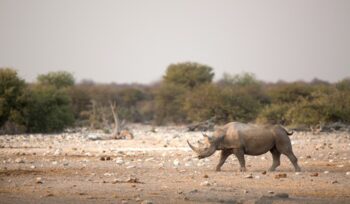
Rhinos are reintroduced back into Uganda’s wild after 43 years
The Uganda Wildlife Authority havetranslocated the first southern white rhinos to Kidepo Valley National Park — 43 years after the last rhino in the park was killed by poachers in 1983. The animals came from Ziwa Rhino Sanctuary, a breeding program established in 2005 with just six individuals that has grown Uganda’s total rhino population to 61. Four more rhinos will follow by May, with a separate group already relocated to Ajai Wildlife Reserve in January 2026. The reintroduction restores a key grazing species to one of Africa’s most remote savannah ecosystems and makes Kidepo the only national park in…