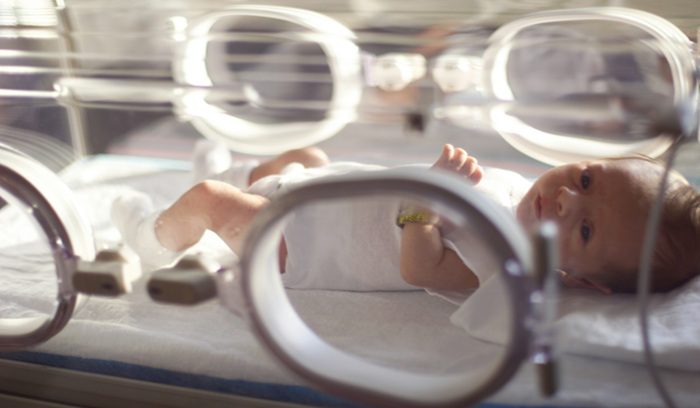
Colorado has made history by becoming the first state in the U.S. to guarantee paid neonatal care leave, giving families with critically ill or premature newborns dedicated time off work — on top of standard parental leave — to be present for some of the most frightening weeks of their lives.
At a glance
- Paid neonatal leave: Colorado’s law grants up to 12 additional weeks of paid leave specifically for parents whose newborns require intensive or specialized medical care, separate from and on top of standard family leave.
- FAMLI program: The benefit is administered through Colorado’s existing Family and Medical Leave Insurance program, which is funded by small payroll contributions from both workers and employers across the state.
- First in the nation: No other U.S. state had created a dedicated paid leave category for neonatal care before Colorado — making this a potential model for federal policy and other states to follow.
Why neonatal leave is different
When a baby is born premature or critically ill, standard parental leave begins counting down immediately — even while the infant is still in a neonatal intensive care unit. Parents often exhaust their leave before their child even comes home.
That gap has long frustrated advocates, nurses, and pediatricians. A parent sitting beside an incubator, learning how to use a feeding tube, or waiting for a surgery outcome should not have to choose between their job and their child. Colorado’s law closes that gap directly.
The legislation — Senate Bill 23-017 — was signed into law and took effect as part of the broader FAMLI program, which Coloradans voted to create in 2020 C.E. The neonatal expansion represents one of the most meaningful additions to that program since its launch.
How the benefit works
Colorado’s FAMLI program replaces a portion of a worker’s wages — up to 90% for lower-income workers — during approved leave. The neonatal benefit follows the same structure, with up to 12 additional weeks available when a newborn requires medical care after birth.
Funding comes from a shared payroll contribution: workers contribute a small percentage of wages, and employers with 10 or more employees contribute a matching share. The Colorado Department of Labor and Employment oversees the program and processes claims.
Importantly, the benefit is available to a wide range of workers — not just those at large companies with generous HR departments. That inclusivity matters most for hourly workers, gig workers, and employees at small businesses who historically have had no paid leave options at all.
The broader picture for U.S. families
The United States remains one of the few wealthy nations without a federal paid family leave program. Roughly 40% of American workers are not even covered by the federal Family and Medical Leave Act, which provides unpaid leave only. For families in neonatal crisis — already facing enormous medical bills and emotional strain — the financial pressure of lost income can be crushing.
Research consistently shows that parental presence in the NICU improves outcomes for premature infants. Studies published in peer-reviewed neonatal journals link skin-to-skin contact, breastfeeding support, and family-centered care to lower rates of infection, shorter hospital stays, and stronger developmental trajectories. Leave policy, in other words, is also health policy.
Colorado joins a growing number of states — including California, New York, Washington, and Massachusetts — that have built paid family leave systems. But it stands alone in carving out a specific, additional protection for the neonatal period.
An imperfect but meaningful step
The law does not cover every worker. Self-employed Coloradans must opt into FAMLI voluntarily, and some very small employers face different rules. Families navigating the most complex medical situations may also find that even 12 weeks is not always enough.
Still, as a proof of concept — that a state can identify a specific vulnerability in its leave system and fix it — Colorado’s approach is worth watching. Advocates in several other states have already begun introducing similar proposals, and federal legislators have cited neonatal leave as a priority area for future national policy discussions.
For the families it reaches, this is not an abstraction. It is the difference between a parent holding their baby’s hand in a NICU — and a parent clocking in because they had no other choice.
Read more
For more on this story, see: Colorado becomes first state to offer paid neonatal care leave
For more from Good News for Humankind, see:
- Marie-Louise Eta becomes the first female head coach in men’s top-flight European football
- Ghana establishes a new marine protected area at Cape Three Points
- The Good News for Humankind archive on global health
About this article
- 🤖 This article is AI-generated, based on a framework created by Peter Schulte.
- 🌍 It aims to be inspirational but clear-eyed, accurate, and evidence-based, and grounded in care for the Earth, peace and belonging for all, and human evolution.
- 💬 Leave your notes and suggestions in the comments below — I will do my best to review and implement where appropriate.
- ✉️ One verified piece of good news, one insight from Antihero Project, every weekday morning. Subscribe free.