
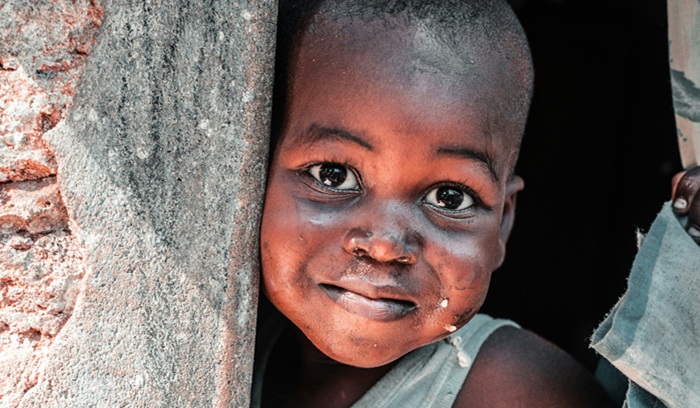
According to new research by the World Bank, approximately 412 million children under age 18 are living in extreme poverty (less than US$3/day) in 2024. While that number is still sobering, it represents a steady decrease from about 507 million in 2014. This shows that global efforts are moving the needle in the right direction.
Regions leading the way
Some of the most encouraging progress is happening in South Asia and East Asia & the Pacific. In South Asia, extreme child poverty has more than halved over the past decade. India, especially, has contributed a large share of that reduction. A UNICEF analysis noted that improvements in education, nutrition, and access to health care have helped drive these gains. In East Asia & the Pacific, rapid economic growth combined with targeted social investments has also lifted millions of children out of poverty.
Where challenges remain sharpest
Despite global improvements, Sub-Saharan Africa continues to carry the heaviest burden: the region is home to over three-quarters of all children in extreme poverty, though it accounts for only about 23% of the global child population. The poverty rate there is around 52 percent, very similar to 2014 levels. Fragile and conflict-affected countries have made slower progress, showing how instability makes it harder to reduce poverty. The Guardian highlighted how the gap between Sub-Saharan Africa and the rest of the world remains stark.
Better data and updated definitions
Another positive development is the improvement in data and measurement. In 2025, the World Bank updated its international poverty lines to include thresholds at US$3, US$4.20, and US$8.30/day, better reflecting the cost of living across countries. The newest estimates also incorporate post-pandemic survey data, offering a clearer, more up-to-date picture of child poverty. As Devex explained, these updates help policymakers better understand where to target resources.
What policies are making a difference
The report shows that countries reducing child poverty most successfully are those investing in human capital—health, education, and nutrition—while also strengthening institutions and expanding social protection. Safety net programs are particularly effective in shielding children from shocks like economic crises or climate disasters. These findings confirm that effective policy choices can make measurable improvements in children’s lives.
Why there is reason for cautious optimism
The decline of nearly 100 million children living in extreme poverty since 2014 is no small achievement. While challenges remain, especially in Africa and fragile states, the overall trends are encouraging. The report demonstrates that poverty reduction is possible even in difficult conditions when governments, communities, and international partners work together. The message is clear: with the right investments and policies, the world can continue to build on this progress and move closer to ending extreme child poverty altogether.
More Good News
-

Alzheimer’s risk cut in half by drug in landmark prevention trial
A clinical trial from Washington University in St. Louis and published in The Lancet Neurology found that long-term high-dose treatment with the antibody drug gantenerumab reduced Alzheimer’s risk by roughly 50% in people with dominantly inherited Alzheimer’s disease — a rare genetic form caused by mutations that make the disease near-certain. The results are statistically uncertain and apply to less than 1% of all Alzheimer’s cases, but they provide the first evidence that removing amyloid plaques before symptoms appear can meaningfully change the course of the disease.
-

Marie-Louise Eta becomes the first female head coach in men’s top-flight European football
Marie-Louise Eta, 34, was appointed head coach of Bundesliga side Union Berlin on April 12, 2026, becoming the first woman to hold the top coaching position at a men’s club in any of Europe’s Big Five leagues — the Premier League, La Liga, Serie A, Ligue 1, and Bundesliga. A Champions League winner as a player with Turbine Potsdam in 2010, Eta had already broken barriers as the first female assistant coach in the Bundesliga in 2023. She takes charge for the final five matches of the season as Union Berlin fights to secure top-flight survival, after which she was…
-

Renewables now make up at least 49% of global power capacity
Renewable energy reached 49.4% of total global installed power capacity by end of 2025, up from 46.3% in 2024, according to the International Renewable Energy Agency’s Renewable Capacity Statistics 2026. The world added 692 gigawatts of new renewable capacity last year — the largest annual addition ever recorded — with solar alone contributing 511 gigawatts. Africa recorded its highest renewable expansion on record, and the Middle East its fastest-ever growth. IRENA Director-General Francesco La Camera noted that countries investing in renewables are absorbing the current Middle East energy crisis with measurably less economic damage than fossil-fuel-dependent economies.
-

Global suicide rate has fallen by 40% since 1995
A landmark study published in The Lancet Public Health by researchers at the Institute for Health Metrics and Evaluation at the University of Washington found that the global age-standardized suicide mortality rate fell nearly 40% between 1990 and 2021 — from 15 deaths per 100,000 people to nine. The decline was driven by measurable interventions including restrictions on toxic pesticides, expanded mental health services, and national prevention strategies. Female suicide rates fell more than 50% globally over the period. Roughly 740,000 people still die by suicide each year, and rates have risen in parts of Latin America and North America,…
-
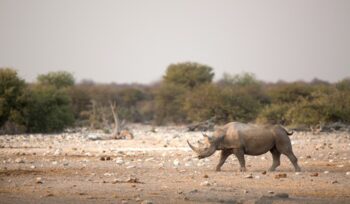
Rhinos are reintroduced back into Uganda’s wild after 43 years
The Uganda Wildlife Authority havetranslocated the first southern white rhinos to Kidepo Valley National Park — 43 years after the last rhino in the park was killed by poachers in 1983. The animals came from Ziwa Rhino Sanctuary, a breeding program established in 2005 with just six individuals that has grown Uganda’s total rhino population to 61. Four more rhinos will follow by May, with a separate group already relocated to Ajai Wildlife Reserve in January 2026. The reintroduction restores a key grazing species to one of Africa’s most remote savannah ecosystems and makes Kidepo the only national park in…