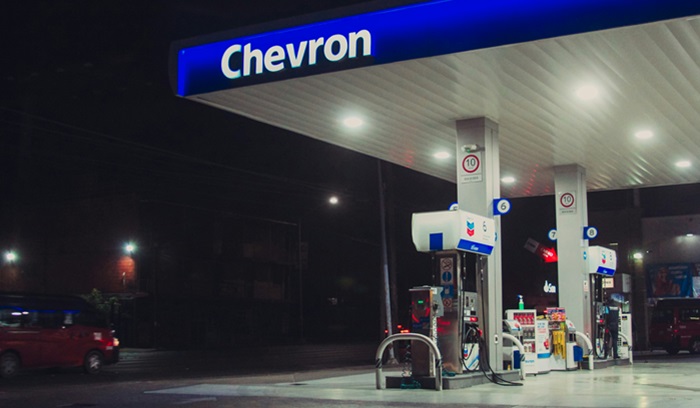
A Louisiana jury has ordered Chevron to pay $744.6 million to restore coastal wetlands in Plaquemines Parish — the first major verdict in a wave of lawsuits holding oil companies accountable for decades of environmental damage along one of America’s most vulnerable shorelines. The April 2025 C.E. decision marks a turning point in the long fight to make the energy industry pay for Louisiana wetlands restoration.
At a glance
- Louisiana wetlands restoration: The jury awarded $575 million for land loss, $161 million for contamination, and $8.6 million for abandoned equipment — with interest pushing the total above $1.1 billion.
- Coastal land loss: Louisiana has lost more than 2,000 square miles of coastline over the last century, with oil and gas infrastructure identified by the U.S. Geological Survey as a significant contributing factor.
- Pending litigation: This verdict — the first of dozens of similar lawsuits to reach trial — could leave other oil and gas companies on the hook for billions more in damages across the Louisiana coast.
Decades of damage, one historic verdict
The case centered on Texaco, which Chevron acquired in 2001 C.E. Jurors found that Texaco had, for decades, violated Louisiana’s coastal resource regulations — dredging canals, drilling wells, and dumping billions of gallons of industrial wastewater directly into the marsh without proper permits or cleanup.
A 1978 C.E. Louisiana coastal management law required that oil company sites be “cleared, revegetated, detoxified, and otherwise restored as near as practicable to their original condition” once operations ended. Witnesses for the plaintiffs testified that Texaco knew about best practices and ignored them, prioritizing profit over the health of the marsh for decades starting in the 1940s C.E.
Plaquemines Parish, a rural district straddling the final miles of the Mississippi River as it meets the Gulf of Mexico, brought the lawsuit in 2013 C.E. The parish had asked for $2.6 billion in damages. While the jury awarded less than that, the verdict still represents the largest environmental accountability ruling of its kind in Louisiana history.
Why the coast matters — and who it protects
Southern Louisiana’s wetlands are not just ecologically precious. They are a buffer between the Gulf of Mexico and some of the nation’s largest ports, critical energy infrastructure, and the communities of people — many of them low-income and Indigenous — who have lived along the coast for generations.
When oil companies dredge canals through marshland, they fragment and weaken the wetlands, making them more vulnerable to saltwater intrusion and sea level rise. Industrial wastewater from oil production degrades the soil and kills the vegetation that holds land together. The result is that land simply disappears — and with it, natural protection from hurricanes and flooding.
The National Oceanic and Atmospheric Administration estimates Louisiana loses roughly a football field of land every 100 minutes. The state’s own coastal protection agency has warned that an additional 3,000 square miles could vanish in the coming decades. Communities like those in Plaquemines Parish are living on the front lines of that loss.
The lawsuit drew support from Louisiana’s state government — including from Republican Gov. Jeff Landry, who backed the litigation during his time as attorney general. “Our communities are built on coast, our families raised on coast,” state attorney Jimmy Faircloth Jr. told jurors. “The state of Louisiana will not surrender the coast.”
A precedent with reach
Because this is the first of dozens of pending lawsuits to go to trial, the verdict carries implications far beyond Plaquemines Parish. Other Louisiana parishes have filed similar claims against the world’s largest oil companies, and legal experts say the jury’s reasoning could shape those cases for years.
The case also reflects a broader global trend: communities and governments increasingly turning to courts to force polluters to pay for environmental harm. From climate litigation in Europe to Indigenous land claims in the Americas, 2025 C.E. is shaping up to be a consequential year for environmental accountability in courtrooms.
Plaquemines Parish is a majority-Black and low-income district. That communities bearing the worst of the environmental damage are also the ones who fought hardest — and longest — for this verdict is part of what makes it significant. The lawsuit took more than a decade to reach trial, a testament to both the difficulty of the fight and the persistence of those who brought it.
What comes next
Chevron has said it will appeal the verdict, calling it “unjust” and arguing the 1978 C.E. law should not apply to conduct predating it. The company earned more than $3 billion in the fourth quarter of 2024 C.E. alone, meaning the financial pressure from this verdict, while significant, is unlikely to threaten its operations.
The restoration plan proposed by the parish — involving removing contaminated soil and rebuilding fragmented wetlands — will likely face continued legal challenge. Chevron called the plan impractical and said the real driver of coastal land loss is the levee system that prevents the Mississippi River from depositing land-building sediment, a factor scientists do acknowledge as a real contributor to the problem.
Still, the jury’s verdict affirms something important: that oil companies operating in Louisiana’s coastal zone had legal obligations they did not meet, and that the communities left holding the ecological and economic consequences have standing to demand redress. Whether the money ultimately reaches the marsh — and how quickly — will determine whether this landmark ruling translates into real-world restoration of Louisiana’s disappearing coast.
Read more
For more on this story, see: Los Angeles Times
For more from Good News for Humankind, see:
- Alzheimer’s risk cut in half by drug in landmark prevention trial
- Indigenous land rights and 160 million hectares secured ahead of COP30
- The Good News for Humankind archive on environmental justice
About this article
- 🤖 This article is AI-generated, based on a framework created by Peter Schulte.
- 🌍 It aims to be inspirational but clear-eyed, accurate, and evidence-based, and grounded in care for the Earth, peace and belonging for all, and human evolution.
- 💬 Leave your notes and suggestions in the comments below — I will do my best to review and implement where appropriate.
- ✉️ One verified piece of good news, one insight from Antihero Project, every weekday morning. Subscribe free.
More Good News
-
Doctors hail first breakthrough in asthma and COPD treatment in 50 years
Benralizumab, a single injection given during an asthma or COPD attack, cut treatment failures fourfold over 90 days compared to the steroid pills doctors have relied on since the 1970s. In a trial of 158 patients arriving at UK emergency departments, the shot eased coughing, wheezing, and breathlessness more effectively than steroids — and could eventually be given at home or in a GP’s office. Because it targets the specific inflammation behind roughly half of asthma attacks, it could spare millions of people from the diabetes and bone-loss risks that come with repeated steroid use. After a 50-year wait for…
-

Mexico launches universal healthcare for all 133 million citizens
Mexico universal healthcare is now officially a reality, with the country launching a system designed to cover all 133 million citizens through the restructured IMSS-Bienestar network. Before this reform, an estimated 50 million Mexicans had no formal health insurance, with rural and Indigenous communities bearing the heaviest burden of untreated illness and medical debt. The new system severs the long-standing tie between employment and healthcare access, providing free consultations, medicines, and hospital services regardless of income. If implemented effectively, Mexico’s move could serve as a powerful model for other middle-income nations still navigating fragmented, inequitable health systems.
-
Ghana declares its first marine protected area to rescue depleted fish stocks
Ghana’s marine protected area — the country’s first ever — marks a historic turning point for a nation gripped by a quiet fisheries crisis. Established near Cape Three Points in the Western Region, the protected zone restricts or bans fishing activity to allow severely depleted fish populations to recover. Ghana’s coastal stocks have fallen by an estimated 80 percent from historic levels, threatening food security and the livelihoods of millions of small-scale fishers. The declaration also carries regional significance, potentially inspiring neighboring Gulf of Guinea nations to establish coordinated protections of their own.