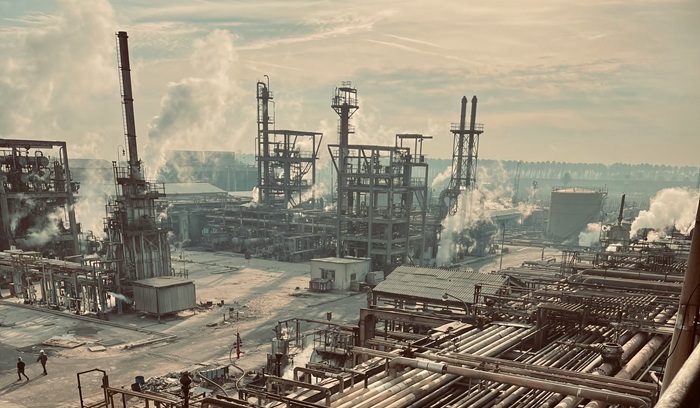
Canada has finalized some of the most stringent methane rules in the world for its oil and gas sector, setting a binding target to reduce emissions from that industry by 75% below 2012 C.E. levels by 2035 C.E. The regulations, published by Environment and Climate Change Canada, represent a major step in the country’s broader effort to cut one of the most potent short-lived climate pollutants driving near-term global warming.
At a glance
- Canada methane regulations: The finalized rules require oil and gas operators to detect, measure, and repair methane leaks — and to phase out routine venting and flaring across their operations by specific deadlines.
- Reduction target: A 75% cut in methane from the oil and gas sector below 2012 C.E. levels must be achieved by 2035 C.E., aligning Canada with commitments made under the Global Methane Pledge.
- Climate impact: Methane warms the planet roughly 80 times more than carbon dioxide over a 20-year period, meaning cuts to methane produce faster measurable climate benefits than equivalent CO₂ reductions.
Why methane cuts matter right now
Methane is responsible for about 30% of the global warming experienced since the Industrial Revolution. Unlike carbon dioxide, which persists in the atmosphere for centuries, methane breaks down in roughly a decade — which means reducing it now can cool the planet faster than almost any other intervention available.
Canada’s oil and gas sector is the country’s single largest industrial source of methane. Leaks from pipelines, storage tanks, and wellheads release vast quantities of the gas, often invisibly. The new rules require operators to move from self-reported estimates to actual measured data, closing a loophole that critics said had allowed emissions to be systematically undercounted.
What the rules require
The regulations target three main sources: venting, which means intentional release of methane during operations; flaring, which burns gas but produces its own emissions and pollutants; and fugitive emissions, the unintended leaks that occur across infrastructure.
Operators will be required to conduct regular leak detection surveys using approved technologies, including optical gas imaging cameras and newer sensor-based systems. The rules set tiered compliance timelines, with larger and higher-emitting facilities required to act first. Smaller operators have additional time to adjust, though all must meet the 2035 C.E. deadline.
Canada first introduced methane regulations for the sector in 2018 C.E. These updated rules significantly tighten those earlier standards and bring Canadian policy closer in line with regulations introduced in the United States under the U.S. Environmental Protection Agency’s methane rules finalized in 2024 C.E. Harmonizing standards across the two countries matters because their energy sectors are deeply integrated across a shared pipeline and processing network.
A global context for a national rule
Canada was among the more than 150 countries that signed the Global Methane Pledge at COP26 in Glasgow in 2021 C.E., committing to a collective 30% reduction in global methane emissions by 2030 C.E. These finalized domestic rules are Canada’s most concrete regulatory step toward honoring that commitment.
Methane reduction has become a rare area of relative consensus across climate policy, partly because the economic case is strong. Much of the methane currently lost to the atmosphere is a sellable commodity — captured gas can be piped and sold. The International Energy Agency estimates that around 40% of methane abatement in the oil and gas sector could be achieved at zero net cost when the value of captured gas is factored in.
Indigenous-led monitoring efforts have played a growing role in verifying methane emissions across Canada’s energy-producing regions, including in Alberta and British Columbia. Several First Nations communities have developed their own air quality and emissions monitoring programs, providing independent data that complements federal oversight. This kind of community-based verification will be essential to ensuring the new rules translate from policy into measurable reductions on the ground.
What’s still unresolved
Enforcement capacity remains a genuine question. Monitoring the full scope of Canada’s oil and gas infrastructure — spanning thousands of active wellheads and hundreds of processing facilities across remote terrain — will require significant regulatory resources that have not always been available. The Pembina Institute and other environmental organizations have welcomed the rules while noting that robust, independent verification will determine whether the 75% target is actually met or exists primarily on paper.
There is also a tension worth naming: Canada continues to expand its liquefied natural gas export capacity, including the LNG Canada terminal in British Columbia, which will increase overall gas production even as per-unit methane intensity falls. Whether absolute methane emissions from the sector decline as sharply as the regulations intend will depend on how much production grows alongside the efficiency improvements the rules require.
For now, the finalization of these Canada methane regulations represents a clear and enforceable commitment — one of the most significant climate regulations Canada has put in place for its most emissions-intensive industry, and a signal to trading partners and investors that the country intends to reduce the carbon footprint of its energy exports.
Read more
For more on this story, see: Canada sets new rules to lower oil and gas methane emissions
For more from Good News for Humankind, see:
- Alzheimer’s risk cut in half by drug in landmark prevention trial
- Ghana establishes marine protected area at Cape Three Points
- The Good News for Humankind archive on climate action
About this article
- 🤖 This article is AI-generated, based on a framework created by Peter Schulte.
- 🌍 It aims to be inspirational but clear-eyed, accurate, and evidence-based, and grounded in care for the Earth, peace and belonging for all, and human evolution.
- 💬 Leave your notes and suggestions in the comments below — I will do my best to review and implement where appropriate.
- ✉️ One verified piece of good news, one insight from Antihero Project, every weekday morning. Subscribe free.