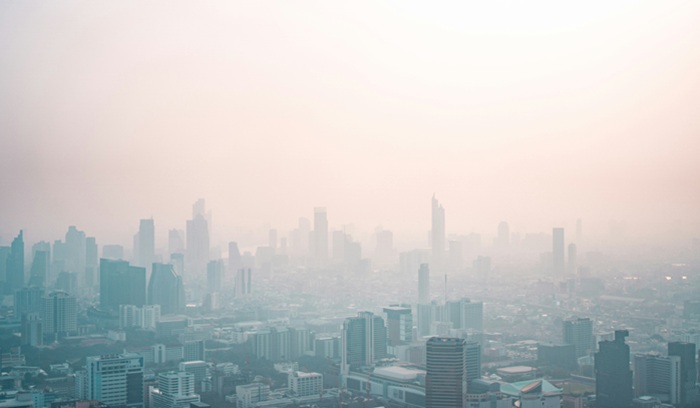
More than 190 million people are breathing cleaner air today than they were 15 years ago. New data from the C40 Cities network shows that 19 major cities around the world reduced their annual fine particulate matter (PM2.5) levels by an average of 30 percent since 2010. The cities include London, Beijing, San Francisco, Warsaw, and Tokyo — and the progress is directly tied to bold local policy decisions that prioritized human health over short-term convenience.
- Nineteen cities achieved an average 30 percent drop in fine particulate matter (PM2.5) since 2010, according to C40 Cities data.
- The reductions are linked to specific policies including ultra-low emission zones, coal phase-outs, and expanded public transit electrification.
- Experts estimate these improvements have prevented thousands of premature deaths in urban centers over the past 15 years.
How major cities achieved these air pollution reductions
The path to cleaner air looks different in every region, but the most successful cities share one thing: a commitment to aggressive local policy. In London, officials implemented the world’s largest ultra-low emission zone, discouraging older, more polluting vehicles from entering the city center. That single policy contributed to a 25 percent drop in nitrogen dioxide levels within a few years of its expansion.
Beijing achieved some of the most dramatic improvements by strictly regulating industrial emissions and replacing coal-fired boilers with natural gas or electric heating systems. Those efforts moved the city off the list of the world’s most polluted capitals — a shift that would have seemed impossible just two decades ago. You can track these historical shifts and current global air quality metrics through the IQAir World Air Quality Report.
In Warsaw and Tokyo, city leaders focused on expanding public transit networks and electrifying bus fleets. By reducing the number of internal combustion engines on the road, these cities physically removed a primary source of smog. These local successes demonstrate that targeted interventions consistently outperform passive waiting for national governments to act.
Why air pollution reductions matter for everyday communities
On a macro level, these statistics represent a victory for environmental policy. On a human level, they mean fewer children reaching for inhalers during recess and fewer elderly residents hospitalized during summer heat waves. When a city achieves meaningful air pollution reductions, it directly lowers rates of asthma, heart disease, and stroke in its most densely populated neighborhoods.
The World Health Organization has long emphasized that even modest decreases in particulate matter can produce profound long-term public health benefits. Research from the Lancet Planetary Health journal reinforces that cleaner air also boosts cognitive performance in students and increases productivity among workers. These gains compound over time, creating healthier, more economically resilient communities.
Cities with cleaner air attract more businesses and skilled workers who prioritize quality of life. That dynamic creates a reinforcing cycle where environmental investment drives economic strength. By cleaning up the atmosphere, these 19 cities are simultaneously securing a more stable future for their residents.
Challenges that still stand in the way
City leaders are keeping a measured outlook despite the milestone. Many of these cities still fall short of the strict air quality guidelines set by international health bodies, and the most significant improvements have often occurred in wealthier districts while industrial zones continue to face elevated pollution levels. Progress has not been equal across all neighborhoods.
There is also the persistent challenge of background pollution drifting in from outside city limits. Local mayors can regulate traffic on their streets, but they cannot fully stop smoke from distant wildfires or emissions drifting in from neighboring regions. This reality underscores the need for stronger regional and national cooperation to protect the gains cities have already made.
Experts note that the “easy wins” — like eliminating coal heating — have already been captured in most of these 19 cities. The next phase of progress will require more complex shifts involving building materials, food systems, and long-range freight logistics. That work is harder, but the track record of the past 15 years shows it is achievable.
A blueprint for cities still growing into the future
The success of these 19 cities offers a tested model for the rest of the world. Rapidly expanding cities across South Asia, Sub-Saharan Africa, and Latin America can now look to London or Beijing for proven strategies, avoiding the costly mistakes of earlier industrial growth. By openly sharing data and policy frameworks, leading cities are helping accelerate the global shift to cleaner urban environments.
This collaborative approach also supports the goals of the Paris Agreement, which depends on local implementation to hit global climate targets. The air pollution story proves that city-level leadership is among the most powerful tools available for solving problems that affect the entire planet. These 19 cities did not wait for permission — they acted, and the results are measurable in lives saved and lungs protected.
Clean air is part of a much bigger picture of global progress
This story fits into a broader pattern of cities and nations choosing health and sustainability over short-term extraction. The same momentum driving urban air quality improvements is also powering the energy transition — as explored in our coverage of how renewables now make up nearly half of global power capacity. Cleaner energy means fewer emissions at the source, which means cleaner air downstream. These two trends are deeply connected.
The public health benefits of cleaner air also connect directly to other positive trends in global health outcomes, including our report on U.K. cancer death rates falling to their lowest level on record. Reduced long-term exposure to air pollutants is one of the contributing factors researchers point to when explaining declining rates of respiratory and cardiovascular cancers. Together, these stories tell a larger truth: the decisions cities and nations make about their environments have real, measurable consequences for human lives.
You can explore more stories like this in the Good News for Humankind archive, sign up for the daily newsletter to get positive global milestones delivered to your inbox, or learn more about the values behind this project through the Antihero Project.
Sourcing
This story was generated by AI based on a template created by Peter Schulte. It was originally reported by World Health Organization.
More Good News
-

Washington state enacts a millionaires tax to fund schools and families
Washington state’s new millionaires tax targets the wealthiest residents to fund public schools, expand child care access, and support small businesses — marking one of the most significant state-level tax equity shifts in recent U.S. history. The move reflects a growing national conversation about who pays and who benefits in state tax systems, and puts Washington ahead of most states in addressing its long-standing regressive tax structure.
-

Detroit RxKids sends .4 million in free cash to new mothers in its first month
Detroit’s RxKids cash program sent .4 million in unconditional payments to pregnant women and new mothers in its first citywide month. The initiative, designed to address the city’s high infant mortality rate, gives eligible participants 00 monthly during pregnancy and 00 monthly through a child’s first year — no conditions, no restrictions. Early data from pilot phases show the money goes directly toward food, rent, and baby essentials.
-

Telangana orders 915 electric buses in a major clean transit push
Electric buses India: Telangana has ordered 915 zero-emission buses in one of the country’s largest single clean transit procurements. The move advances India’s push to decarbonize public transportation for tens of millions of urban commuters — while raising important questions about charging infrastructure, grid composition, and how quickly the country can scale what it has started.