
African American men gain the right to vote in Washington, D.C.
On January 8, 1867, African American men gained the right to vote in the District of Columbia despite the veto of its most powerful resident, President Andrew Johnson.
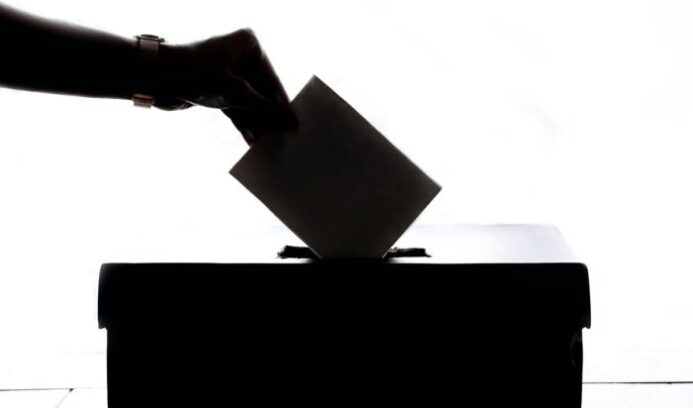
On January 8, 1867, African American men gained the right to vote in the District of Columbia despite the veto of its most powerful resident, President Andrew Johnson.
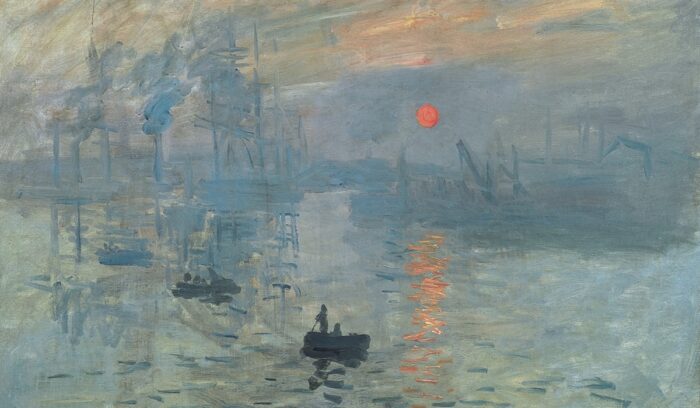
Impressionism is an art movement that took the French art world—and later the artistic spheres of other countries —by storm in the 19th century.
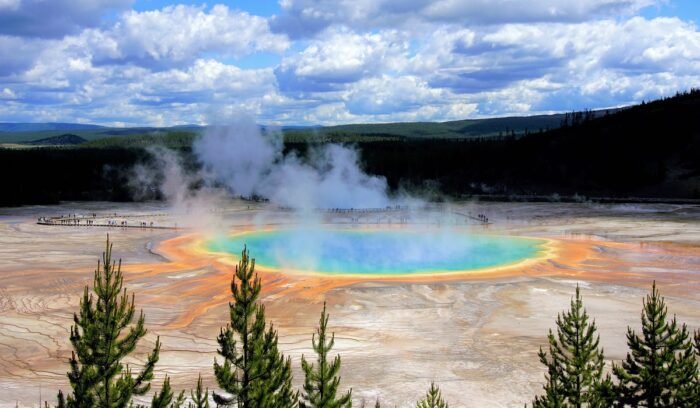
Although individual countries designate their own national parks differently, there is a common idea: the conservation of ‘wild nature’ for posterity and as a symbol of national pride. As of 2023, there are over 6500 national parks worldwide.
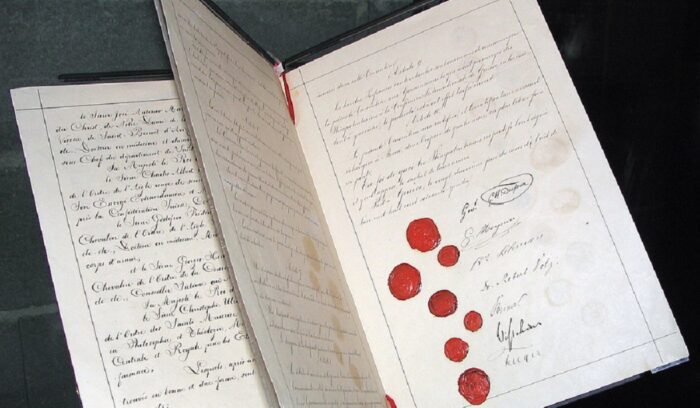
The 1864 Geneva Convention was the world’s first codified international treaty that covered the sick and wounded soldiers on the battlefield.
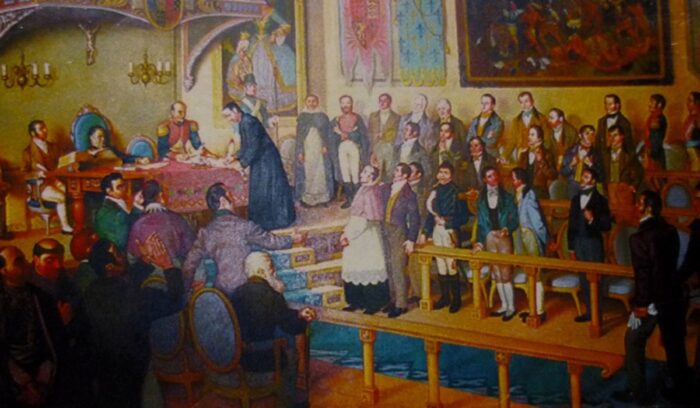
The Act led to the eventual formation of the modern nations of Costa Rica, Guatemala, El Salvador, Honduras, and Nicaragua.
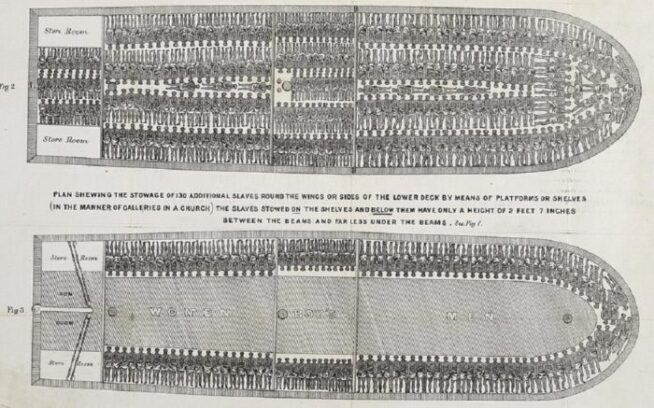
The U.S. Congress passed an act to “prohibit the importation of slaves into any port or place within the jurisdiction of the United States…from any foreign kingdom, place, or country.”

In the West, Jenner is often called “the father of immunology”, and his work is said to have “saved more lives than the work of any other human”.
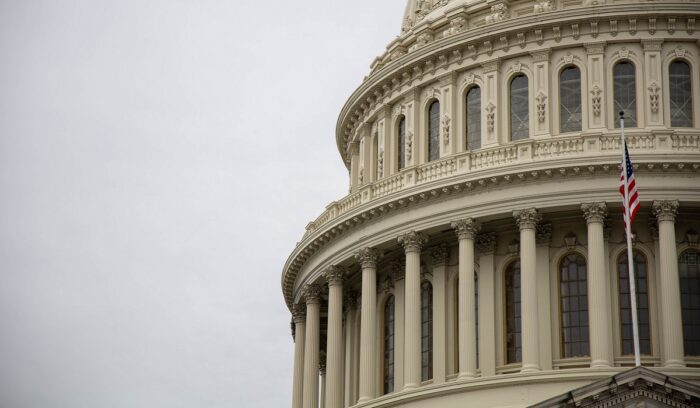
The Bill of Rights amendments add specific guarantees of personal freedoms and rights, clear limitations on the government’s power in judicial and other proceedings, and explicit declarations that all powers not specifically granted to the federal government by the Constitution are reserved to the states or the people.
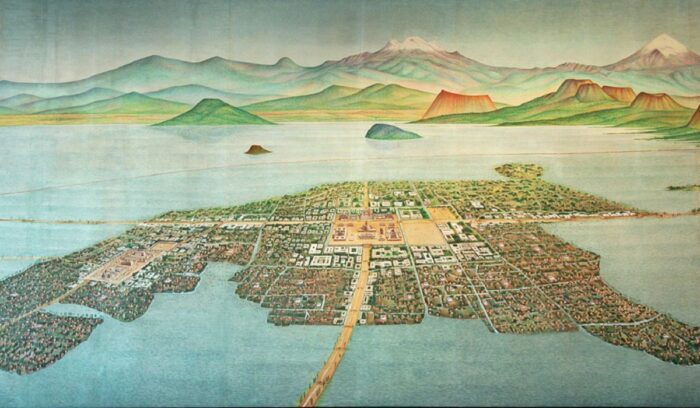
Eventually, Tenochtitlan came to be the capital of the vast Aztec Empire. At its peak, it was likely home to more than 200,000 people, making it one of the largest cities in the world at the time.
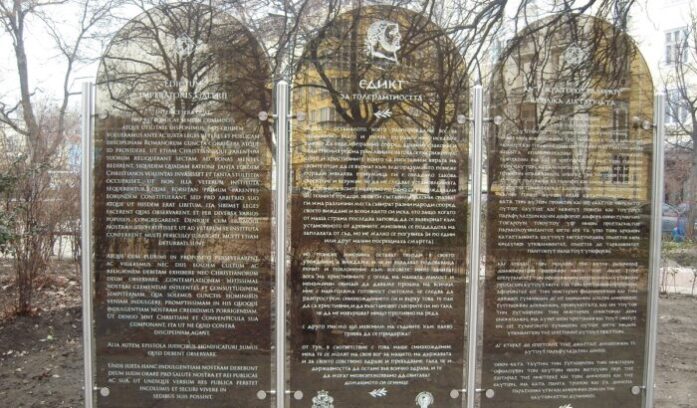
The Edict implicitly granted Christianity the status of religio licita, a worship that was recognized and accepted by the Roman Empire.