Today (2017 C.E. - 2025 C.E.)

This archive spans the years 2017 through 2025, a period marked by rapid advances in clean energy, medicine, technology, and social equity. It collects documented breakthroughs, policy wins, and scientific achievements from the present era. If you want evidence that progress is real and ongoing, this is where to look.

Photo by Jeremy Bishop on Unsplash, for article on debt-for-nature swap

Ecuador to boost protection of Galápagos in biggest debt-for-nature deal ever

Ecuador just pulled off the largest debt-for-nature swap ever signed, unlocking an estimated $450 million for Galápagos marine conservation over the coming decades. The deal works by trading expensive international bonds for a cheaper loan, then channeling the savings into a new independent fund overseen by a board that mixes government ministers with civil society voices. Roughly $12 million a year will flow to park rangers, fisheries monitoring, and enforcement across one of the planet’s most extraordinary marine ecosystems — home to marine iguanas and the world’s northernmost penguins. Several Caribbean and Pacific island nations are already exploring similar structures, suggesting this could become a template for protecting threatened ecosystems wherever heavy debt and rich biodiversity overlap.

Silhouette of wind turbines, for article on UK wind power

British wind power overtakes gas for the first time

Wind power just crossed a historic line in the U.K., supplying 32.4% of the country’s electricity in the first quarter of 2023 — narrowly beating gas at 31.7%. It’s the first time on record that wind farms have outpaced gas plants over a full quarter, and renewables together delivered nearly 42% of Britain’s power. Decades of offshore wind investment, falling turbine costs, and the urgency triggered by Europe’s 2022 energy shock all helped get the country here. The lead researcher called it a “genuine milestone,” and rightly so. For climate movements everywhere, it’s quiet proof that energy transitions, however slow and contested, really do arrive — and once the turbines are built, the wind keeps blowing for free.

Dried psilocybin mushrooms on a surface for an article about psilocybin therapy legalization in New Mexico, for article on Oregon psilocybin facilitators

Oregon licenses U.S.’s first-ever legal psilocybin facilitators

Oregon licensed its first three psilocybin facilitators in April 2023, making it the first U.S. state to formally authorize practitioners to guide adults through psychedelic sessions at regulated service centers. The approvals were part of a much larger pipeline, with more than 300 permit and license applications already submitted and the state’s first psilocybin manufacturer licensed the month prior. Voters had approved this supervised-access model back in 2020, choosing a path that doesn’t require a prescription or diagnosis but does require trained guidance. Real hurdles remain, including local bans in over 100 Oregon cities and open questions about affordability. Still, this is the first legal home in the country for a therapy that researchers increasingly believe could transform how we treat depression, anxiety, and trauma.

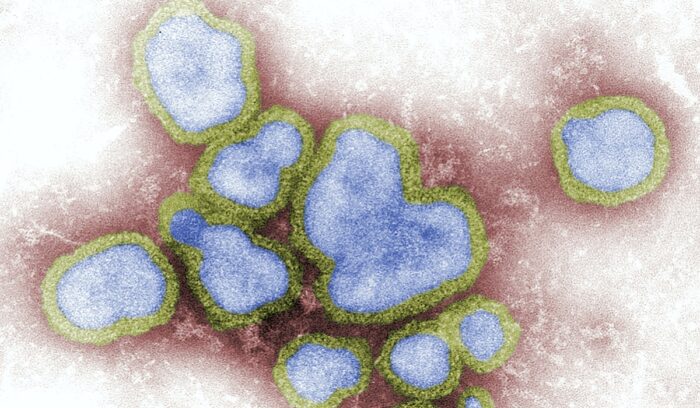
Visualisation of the Covid-19 virus, for article on COVID-19 global health emergency

World Health Organization ends global health emergency declaration for COVID-19

The WHO formally ended its COVID-19 global health emergency on May 5, 2023, more than three years after the designation first triggered a worldwide response. Director-General Tedros Adhanom Ghebreyesus pointed to over a year of declining transmission and deaths as the reason most countries can finally return to pre-pandemic rhythms. He didn’t gloss over the loss — nearly 7 million deaths were officially reported, with the true toll likely closer to 20 million — but he credited vaccines, scientific cooperation, and health infrastructure built during the crisis for bending the curve. The closing of this chapter offers a rare pause to honor what collective action can achieve, and a reminder to protect the systems we’ll need before the next crisis arrives.