
U.S. President Lyndon Johnson signs the Voting Rights Act
According to the U.S. Department of Justice, the Act is considered to be the most effective piece of federal civil rights legislation ever enacted in the country.
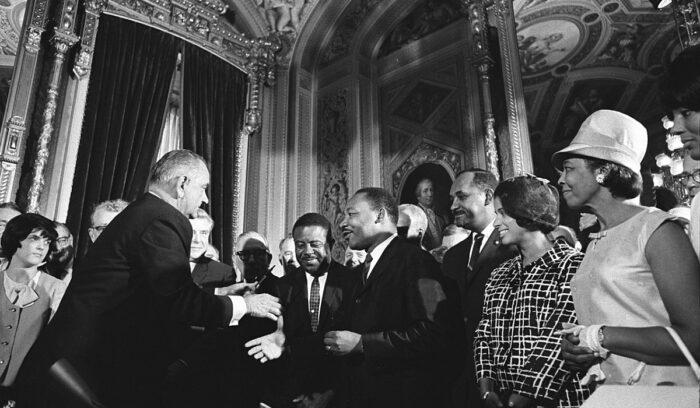
According to the U.S. Department of Justice, the Act is considered to be the most effective piece of federal civil rights legislation ever enacted in the country.
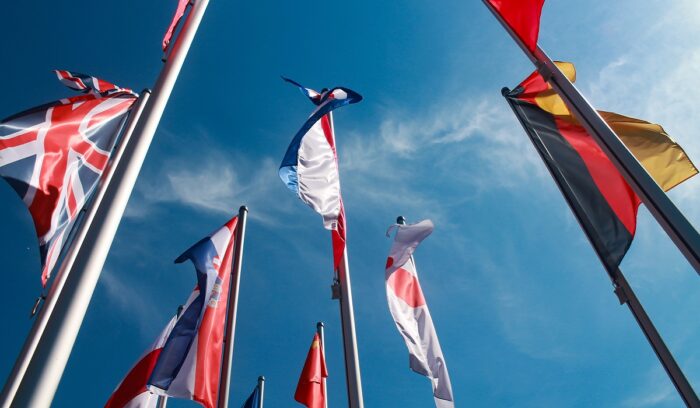
The United Nations General Assembly is one of the six principal organs of the United Nations (UN), serving as the main deliberative, policymaking, and representative organ of the UN and the international community.
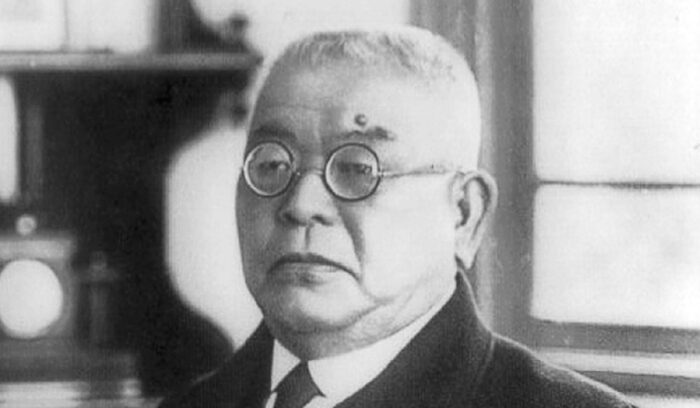
He traveled to Hong Kong in 1894 at the request of the Japanese government during an outbreak of the bubonic plague, and identified a bacterium that he concluded was causing the disease.
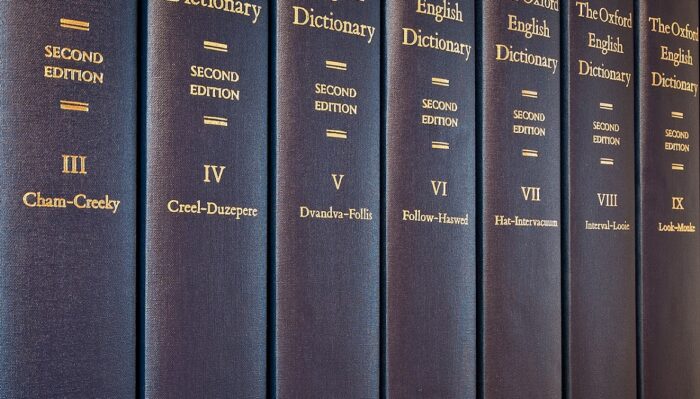
The Oxford English Dictionary is now the principal historical dictionary of the English language, published by Oxford University Press.

Pearl Street Station located in Manhattan and established by Thomas Edison’s Edison Illuminating began with six 100 kW dynamos, and it started generating electricity on September 4, 1882, serving an initial load of 400 lamps to 82 customers. By 1884, Pearl Street Station was serving 508 customers with 10,164 lamps. The station burned down in 1890. It was rebuilt, and ran till 1895, when it was decommissioned, since larger and more efficient plants had been built nearby.
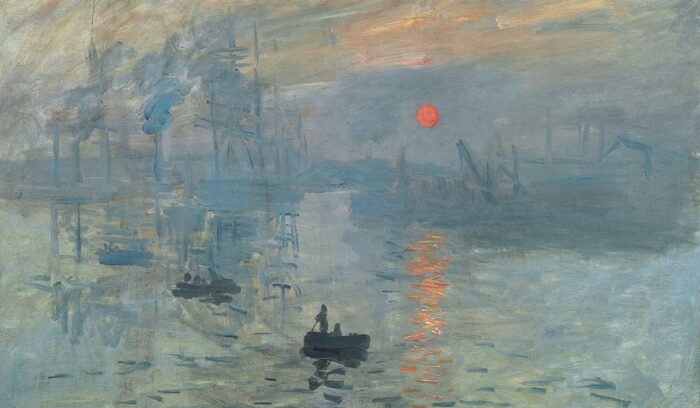
Impressionism is an art movement that took the French art world—and later the artistic spheres of other countries —by storm in the 19th century.
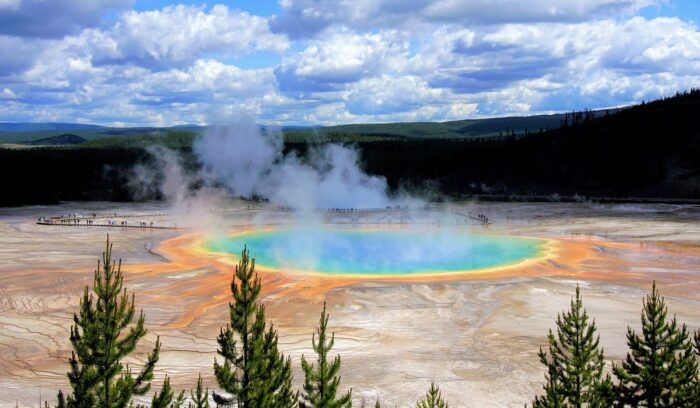
Although individual countries designate their own national parks differently, there is a common idea: the conservation of ‘wild nature’ for posterity and as a symbol of national pride. As of 2023, there are over 6500 national parks worldwide.
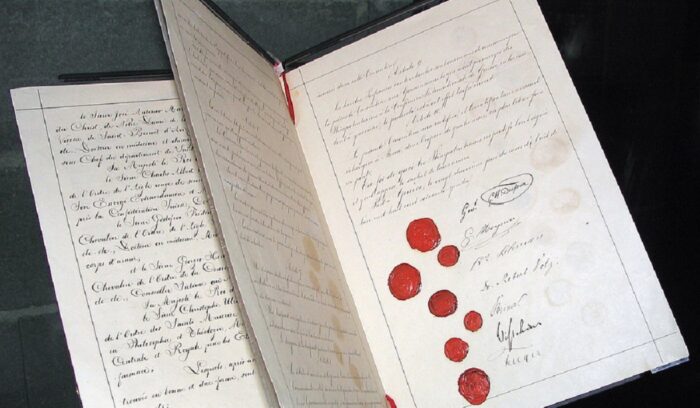
The 1864 Geneva Convention was the world’s first codified international treaty that covered the sick and wounded soldiers on the battlefield.
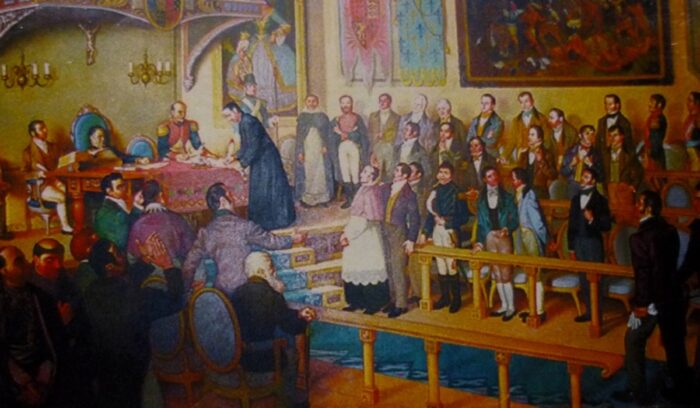
The Act led to the eventual formation of the modern nations of Costa Rica, Guatemala, El Salvador, Honduras, and Nicaragua.
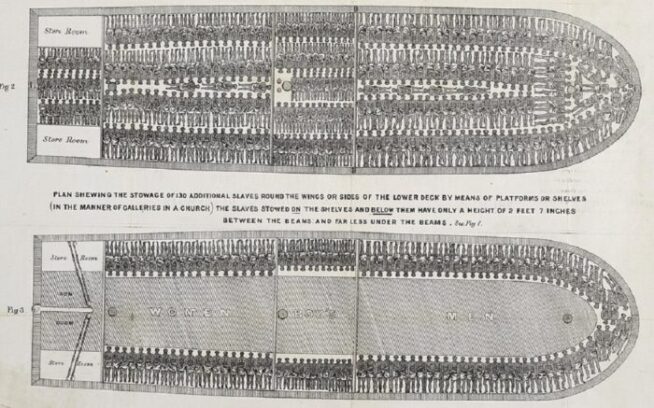
The U.S. Congress passed an act to “prohibit the importation of slaves into any port or place within the jurisdiction of the United States…from any foreign kingdom, place, or country.”