
U.K. Government invests £100 million in renewable energy projects in Africa
The projects funded by the new investment could help cut carbon emissions equivalent to those created by 800,000 cars a year.
This archive spans one of the most eventful periods in recent history, from 2017 through 2025. Browse more than 4,100 articles documenting scientific breakthroughs, policy wins, social progress, and human ingenuity from the present era. Each story highlights what people and communities around the world are building, solving, and achieving right now.

The projects funded by the new investment could help cut carbon emissions equivalent to those created by 800,000 cars a year.
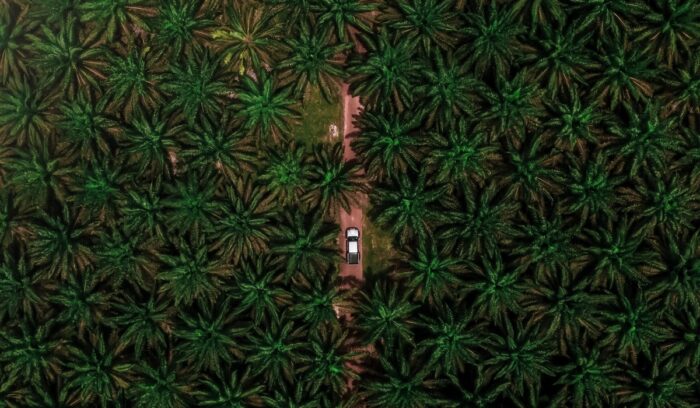
Greenpeace, which has long pressured the palm oil giant to monitor its suppliers across all of their operations, hailed the move as a “potential breakthrough.”

The Church of England has issued new guidance saying that it “welcomes and encourages the unconditional affirmation of trans people” and offers clergy ways to help them celebrate the sacrament of baptism in a meaningful, inclusive way.

More than 680 gigawatts (GW) of new wind power is expected to come online around the globe in the next decade, more than doubling current capacity, according to new research from Wood Mackenzie Power & Renewables.
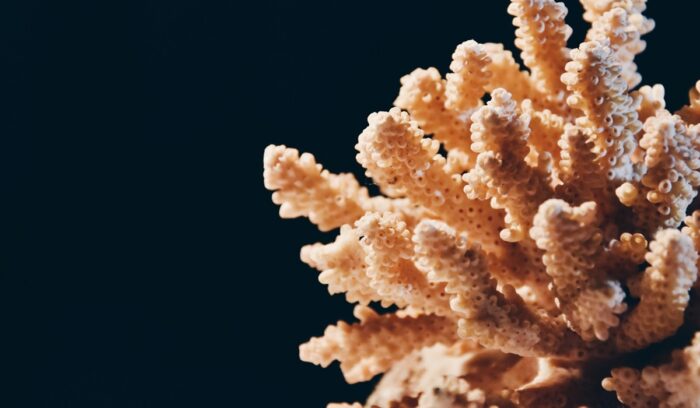
Scientists have launched the largest-ever attempt to regenerate coral on the endangered Great Barrier Reef by harvesting millions of the creatures’ eggs and sperm during their annual spawning.
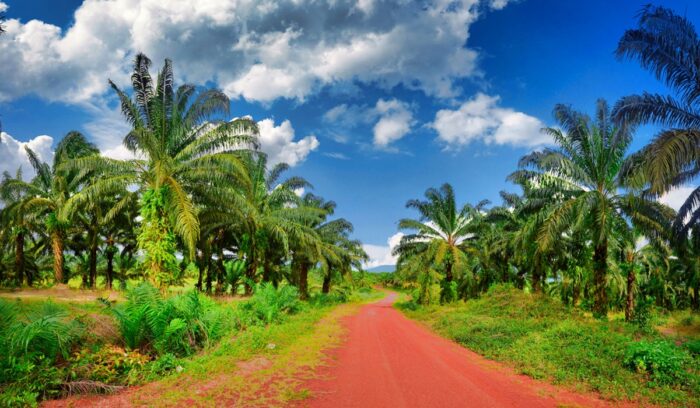
In a historic vote, the majority of the Norwegian parliament agreed to ban their biofuel industry from buying palm oil and other dangerous biofuels that are linked to deforestation and harmful environmental practices.

The creation of Compton’s Transgender Cultural District is to stop the displacement of trans people from a place they were traditionally welcomed in, and to teach trans history.
The 100-megawatt Hornsdale Power Reserve, which was designed by Tesla, has saved over $40 million AUD in annual maintenance costs to the electrical grid.

Throw Away IPA’, made by Seven Bro7thers Brewery in Manchester, uses “upcycled” cornflakes which are too big, small or overcooked to go in a box of breakfast cereal as a proportion of the wheat grain which goes into the beer.
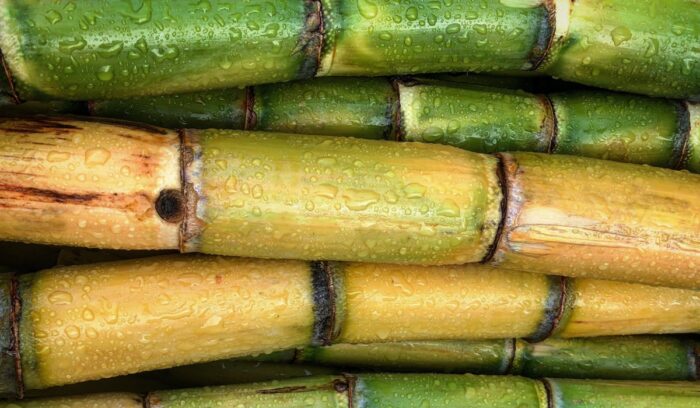
Electricity from sugar cane now accounts for 14 percent of the island’s needs and, when combined with other renewable sources such as solar, wind and hydro, provides nearly a quarter of daily consumption.